





























By Kate Kelland
 ADVERTISEMENT
ADVERTISEMENT
ADVERTISEMENT
LONDON (Reuters) - Hundreds of drones will begin delivering life-saving vaccines, blood and medicines to patients in Ghana this week in the largest scheme of its kind, the global vaccine alliance GAVI said on Wednesday.
Medics will place orders by text message when supplies run dry, said GAVI chief executive Seth Berkley.
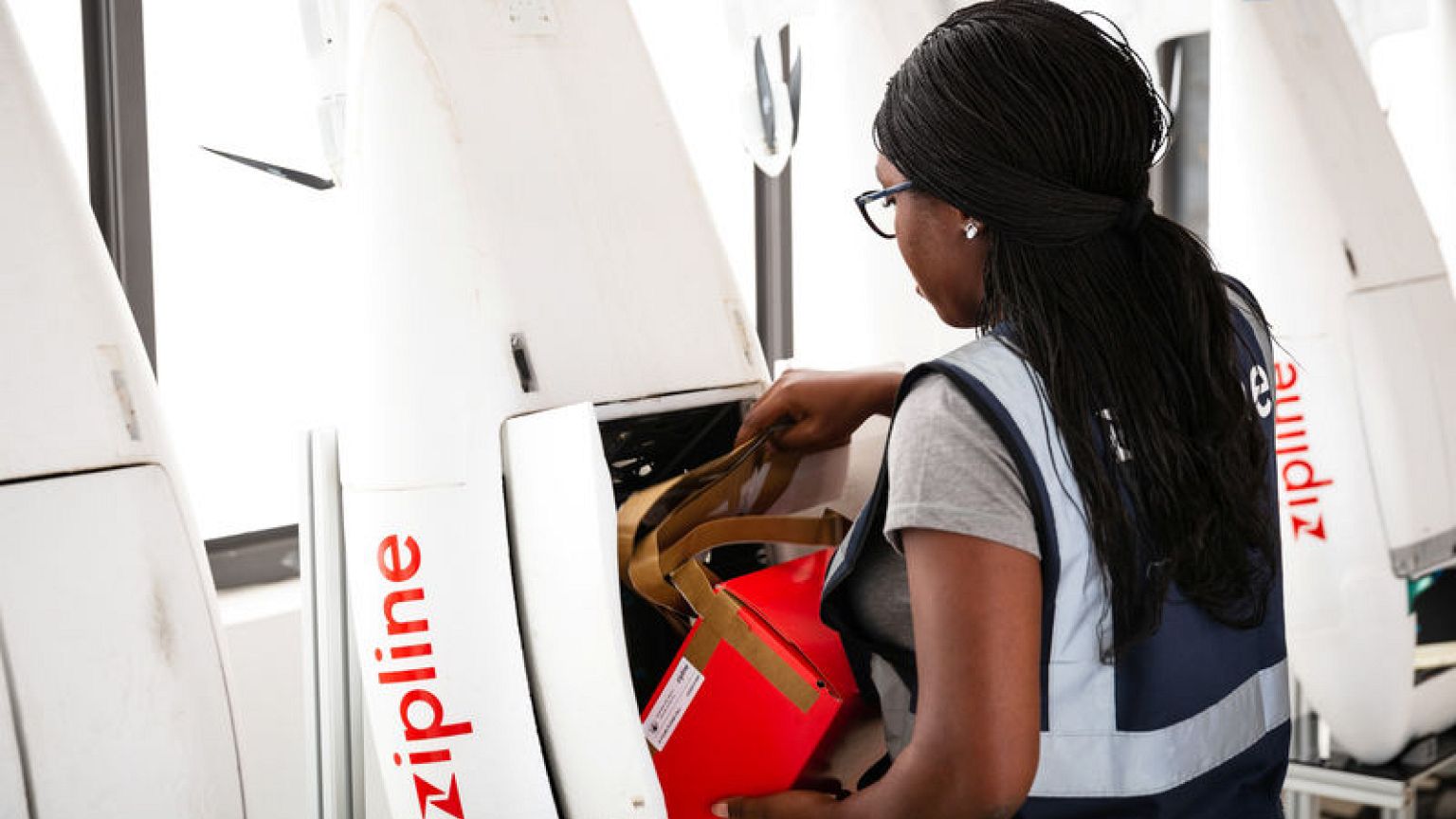
Drones will then fly in from four distribution centres, hover over health posts and drop deliveries using tiny parachutes.
"The idea is that these four distribution centres can make up to 600 on-demand delivery flights a day," Berkley told reporters in a telephone briefing. "And that can expand up to 2,000 (a day) over time."
The aim is for deliveries to arrive within 30 minutes, Berkley added, meaning emergency treatments such anti-snake venom or rabies shots could arrive in time to save lives.
The project - led by Zipline, a California-based robotics company - is designed to deliver to around 2,000 health facilities serving 12 million people across the west African country.
It is backed by the non-profits GAVI and the Bill & Melinda Gates Foundation, as well as several companies including the parcel delivery firm UPS and the pharmaceutical giant Pfizer.
Up to 12 routine and emergency vaccines will be available, including shots for yellow fever, polio, measles, meningitis and tetanus, as well as 148 blood products and other critical medicines. The drones fly autonomously and can carry up to 1.8 kilograms of cargo, GAVI said.
Zipline said a similar but smaller project had made more than 13,000 deliveries of blood products since it was launched in Rwanda in 2016 - about a third of them for emergency life-saving treatment.
(Reporting by Kate Kelland; Editing by Andrew Heavens)