















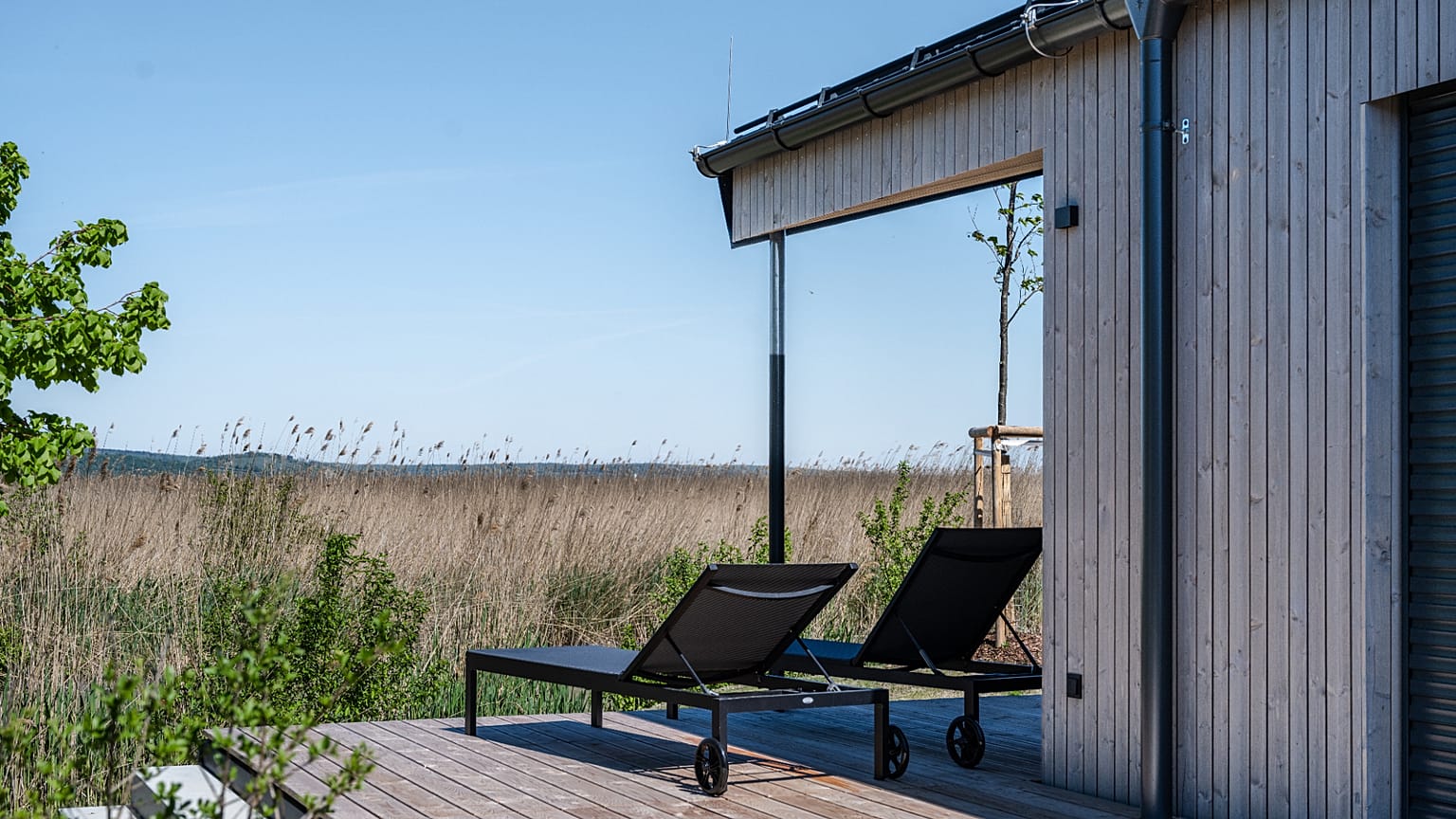













Bored of the crowded seasides, the heat island big cities? Visit Central Europe's lakes, zoos and other exciting places that can unite all generations.
A new hottest summer is coming, as the World Meteorological Organization (WMO) forecasts, and tens of thousands will head to seasides of Italy, Spain or Greece.
 ADVERTISEMENT
ADVERTISEMENT
ADVERTISEMENT
But what shall those do, who do not wish to lay on the beach or sweat in a city? Central Europe offers some great alternatives. Let's see a few of them.
Nyíregyháza-Sóstó Zoo in Hungary
Three times Europe's best zoo, Nyíregyháza-Sóstó Zoo in eastern Hungary can be a perfect long weekend destination for the whole family.
The zoo is in an oak forest, and as trees are the best natural air conditioners, you can discover the most iconic animals of all continents while not stepping out the sun.
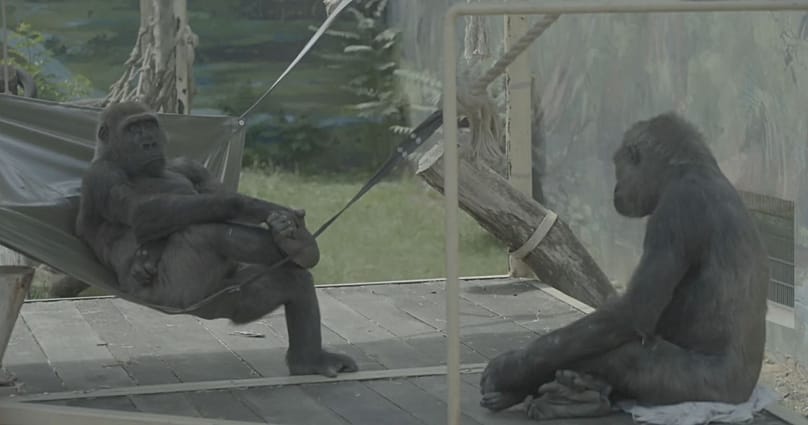
But that is not all. The real surprise can be if you walk into the world of lemurs, without glass walls or cages, the lemurs can run around you... maybe even touch your hand.
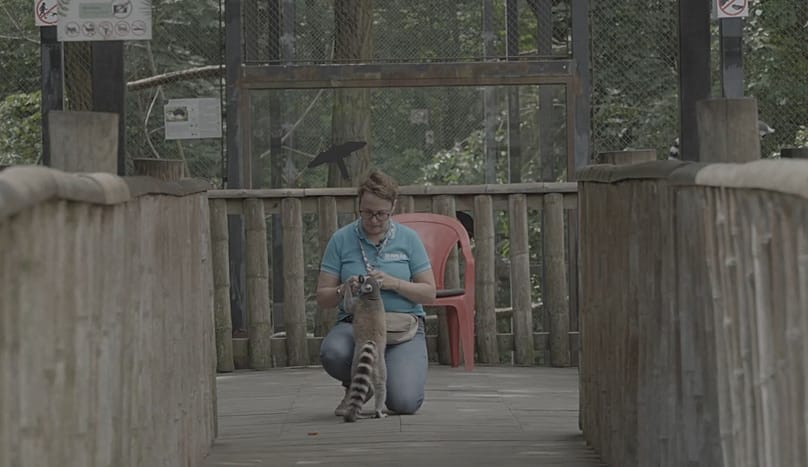
"It is very important for us to be able to offer visitors as many experiences as possible, which is why we have created for example the lemur forest, where you can walk among ring-tailed lemurs during the high season," Zsuzsa Petró, the communication and education manager of the zoo, told Euronews.
Hard to tell which are is the most popular, but for sure, the coolest is the Ice World, home of the polar bears and penguins. In the air-conditioned building you can see the polar bears play, eat or swim.
The real highlight of the Ice World exhibit is the Racing River, where, seated in log-like boats, the river’s current carries visitors through the animals, and the experience is further enhanced by the 10-metre waterfall in the middle of the boat trip.
Novohrad-Nógrád Geopark on the border of Hungary and Slovakia
The world's first transboundary geopark offers long walks in the vast forest between two countries, but without borders.
The geological heritage of the geopark, which celebrates the last 30 million years of the birth of the Carpathian Basin, is extremely rich in paleontological sites and special volcanic formations.
But you can also find here the small Hungarian town, called Hollókő, which was the first place in Hungary that was recognised as a part of the World Heritage in 1987.
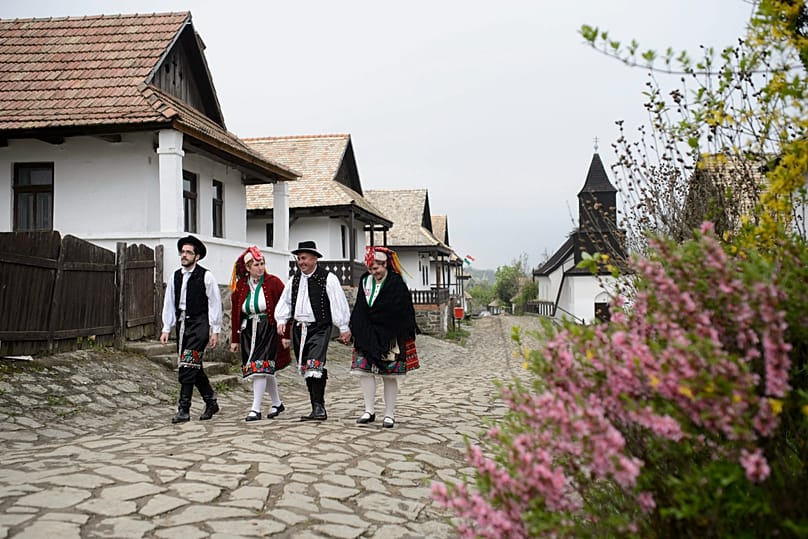
The area, which unites 30 Slovak and 64 Hungarian settlements, received the UNESCO Global Geopark title in 2015.
Lake Neusiedl in Austria
Europe's most western steppe lake offers a peaceful and quiet holiday among UNESCO World Heritage sites.
For example Rust, Austria's smallest statutory city, which is famous for its wine and for having a stork's nest on almost every house.
Or the Roman Age quarry at St. Margarethen, famous for its opera performances. This year Tosca will be performed.
In Breitenbrunn, right at the shore of Lake Neusiedl, you can escape from all the noises of human kind.
If environment protection is also a concern while choosing holiday destination, do not worry, the Neuer Strand in Breitenbrunn was developed in consultation with the UNESCO World Heritage Committee, with the involvement of experts in nature conservation, landscape protection, water and environmental law.
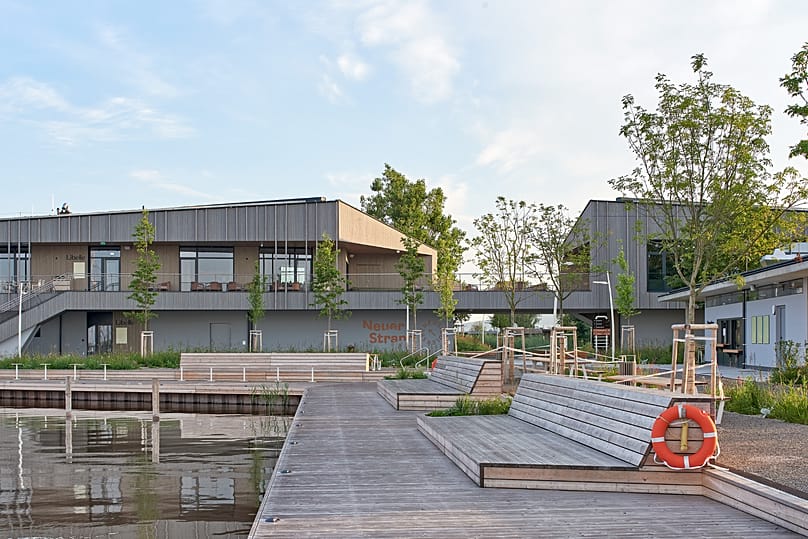
If you need to amuse your children, the Family Park, between Rust and St. Margarethen, offers day-long fun for almost all ages.
Hévíz near Lake Balaton in Hungary
A unique thermal lake in the heart of Europe. This is world's largest biologically active natural thermal lake with peat mud.
The lake with its healing water, measuring 4.4 hectares and 38 metres deep, is fed by mineral-rich springs, whose abundant water flow - 410 l/second - means that the water is completely replaced every three days.
The 33.9-hectare forest surrounding the lake protects it from the wind, and the constantly evaporating water purifies the air.
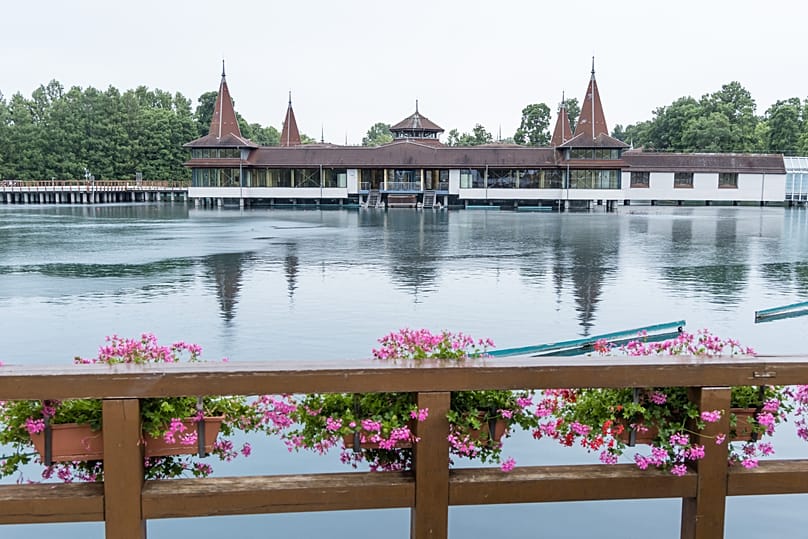
The town of Hévíz is located just few kilometres from Central Europe's largest lake, Balaton, and the cultural centre of the region, Keszthely.
Rechnitz: A hidden lake in Austria
In the middle of the Geschriebenstein National Park in Southern Burgenland, fed by the springs of the Günser Mountains, next to forests and the Rechnitz vineyard, lies the five-hectare Rechnitz bathing lake. The crystal-clear lake is 300 metres long and 100 metres wide.
The bathing lake is located in the Faludi Valley. The valley was filled with water from the Rohonci stream between 1961 and 1964 and a lake suitable for swimming was created in it.
The water of the lake does not warm up to more than 22-23C even in the hottest summer. It is no wonder, since the bed is so deep that in some places it reaches five to seven metres.
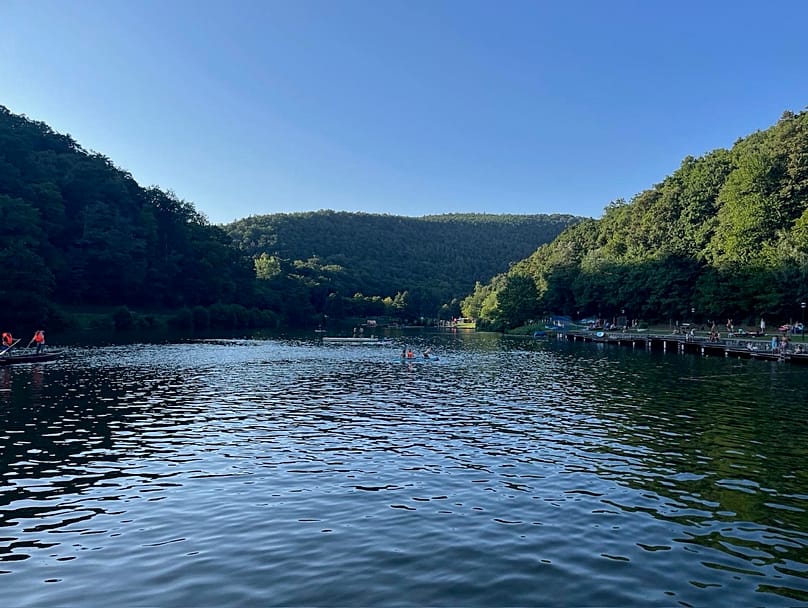
The lake is surrounded with forests, but among the trees you can find tens of kilometres of mountain bike trails, hiking trails, plus a wide variety of opportunities for those who like an active holiday in a rather quiet place.
A few metres from the lake there is a 22m-high observation tower, once called Vogelvoliere now converted into modern outdoor climbing and bouldering tower.
Rechnitz is also a significant wine-producing town at the gateway to the Weinidylle region in southern Burgenland.