




























AI and new digital technologies are key to the urgently needed alternative energy trade routes through the Southern Gas Corridor and the Middle Corridor systems connecting the Caspian and Europe.
The Southern Gas Corridor and the rapidly developing Middle Corridor trade routes connecting Asia to Europe through the Caspian region are emerging as strategic energy transport bridges amid global disruptions, but these energy transit systems and their security require urgent investments in logistics connectivity and infrastructure.
 ADVERTISEMENT
ADVERTISEMENT
ADVERTISEMENT
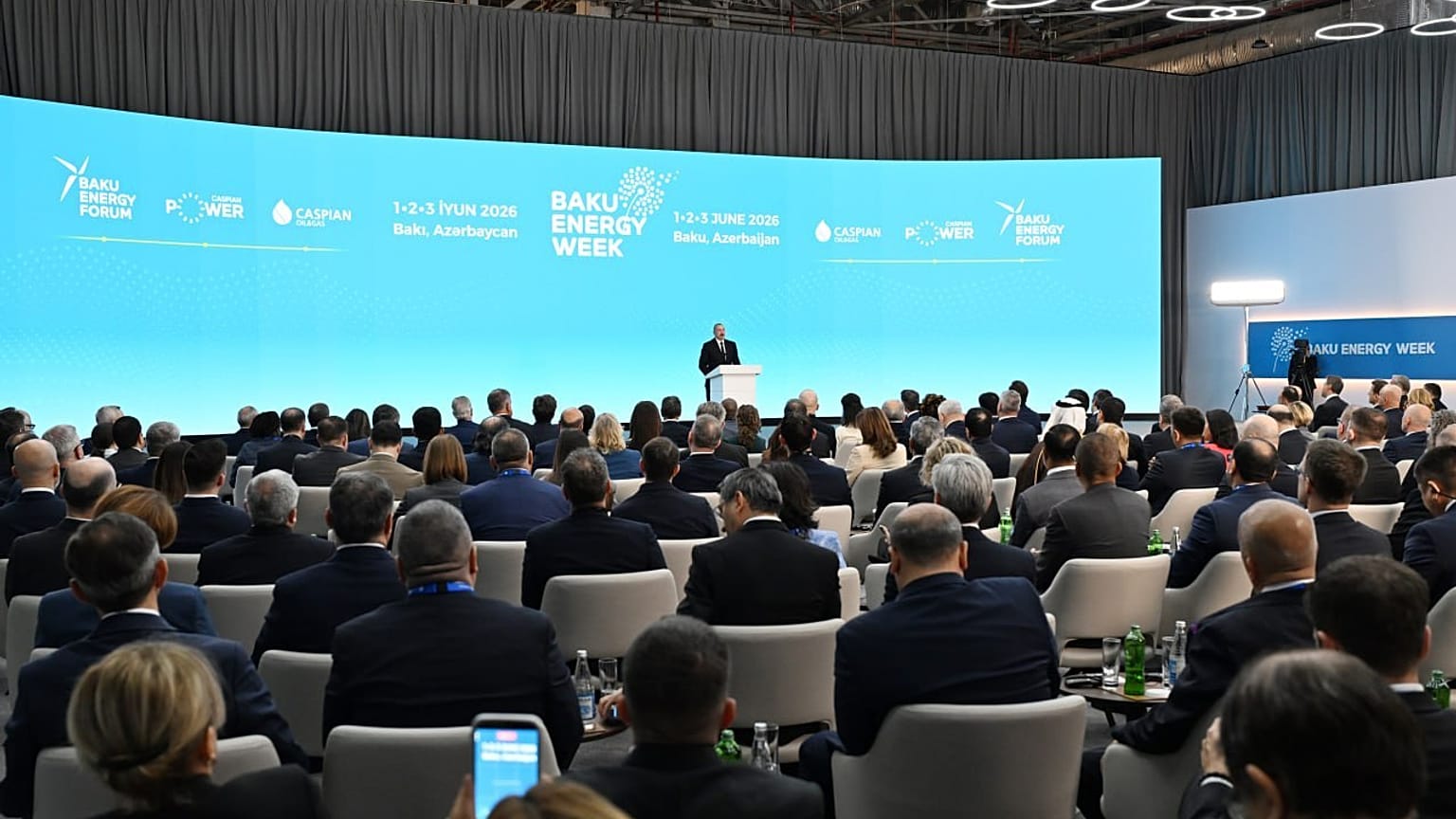
At the Baku Energy Forum, the Southern Gas Corridor’s growing importance to European energy security as an alternative to Russian gas was a key topic, focusing on future capacity expansion, regional cooperation, and the long-term stability of pipeline infrastructure across the wider Caspian region.
BP’s Regional President for Azerbaijan, Georgia and Turkey Gio Cristofoli told Euronews that there is already what he called “a world-class infrastructure on the Southern Corridor and the BTC pipeline and the SUPSA pipeline” which “allows the diversification of energy sources to Europe, as the geopolitical situation is really stressing the importance of Azerbaijan as a key energy hub.”
The forum’s focus on the Middle Corridor also means the rapid development of transport, logistics and infrastructure through railways, ports, pipelines and trade routes as interconnected assets.
The digitalisation of new technologies and the rise of AI are already having a significant impact on the efficiency and security of smarter energy systems through digital pipeline monitoring systems, predictive maintenance platforms, and intelligent operational technologies.
But business leaders at the event said infrastructure modernisation will require significant long-term investment as demand rises for technologically advanced pipeline systems through automation and intelligent infrastructure management to reduce operational costs and improve efficiency.
Cristofoli said innovation and advanced technologies are becoming essential to maximising production efficiency and maintaining long-term operational stability.
“We are using AI to enhance seismic data to really see where we can drill wells,” BP’s regional leader told Euronews.
“We are bringing the latest technology in drilling, using robotics and drones for inspection systems where human beings cannot go. Technology is really the key to unlock volumes for years to come,” he explained.
Azerbaijan’s State Oil Company SOCAR’s media secretary Emin Sevdimalıyev told Euronews that “when we first started in the 1990s, the landscape was absolutely different,” and that “twenty or thirty years ago we could only dream about innovations like cloud computing or AI.”
SOCAR also used the forum to announce the signing of several strategic agreements, a major one being a Southern Gas Corridor-linked gas supply project to export Azerbaijani gas to Turkey, as well as memorandums of understanding with Shell and JPMorgan for future cooperation and financing of strategic projects.
Edward Strachan, General Director of ICA Events, said that “there were billions of dollars worth of contracts signed during the opening of the Baku Energy Forum, which are deals that have been built over years of cooperation and discussions.”