




























The latest development comes amid US President Donald Trump's threat to bomb Oman if it “gets in the way," as his administration opposes parts of the evolving agreement.
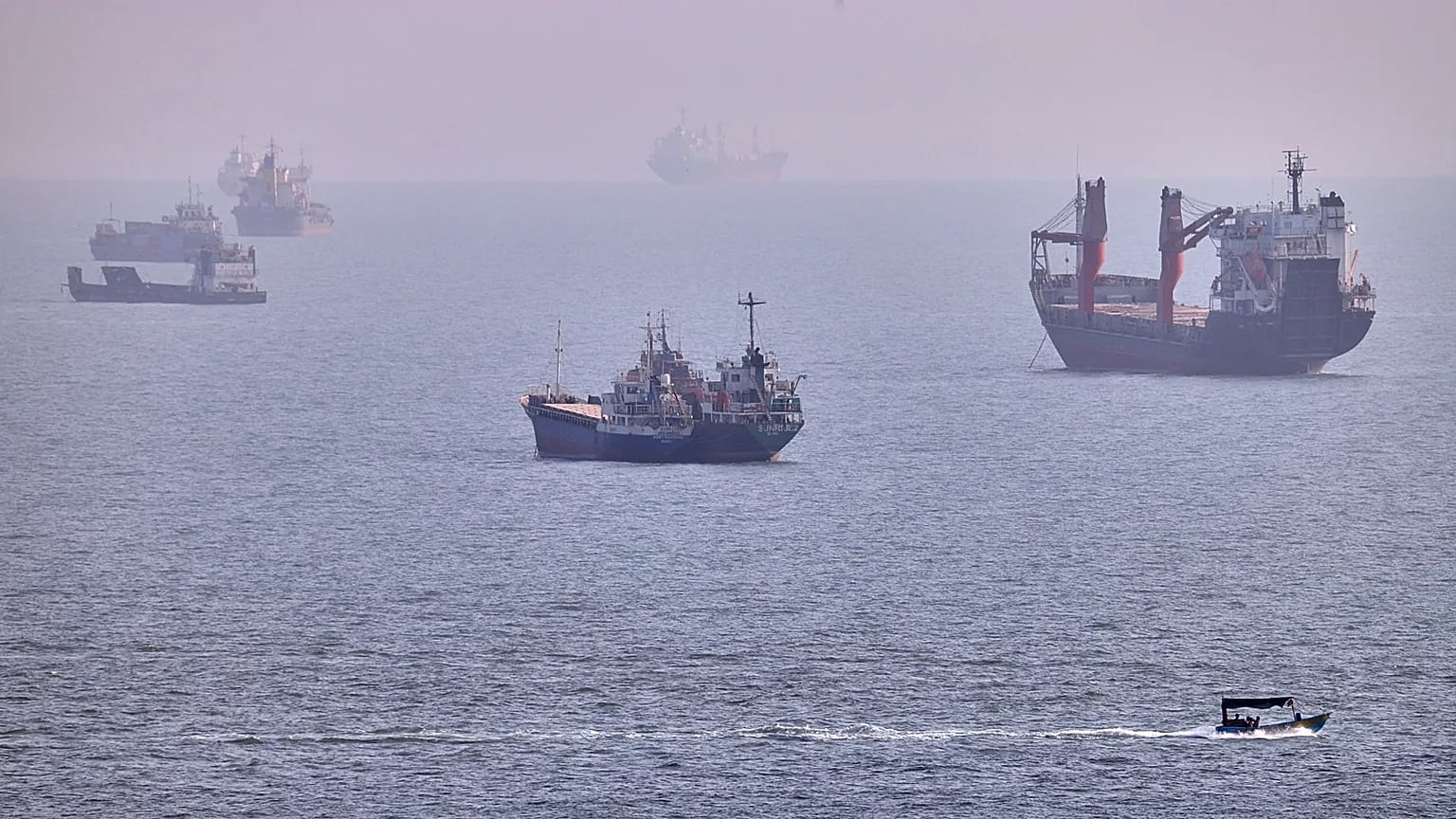
Iran and Oman have reached a potential agreement to manage ship traffic in the Strait of Hormuz, excluding military vessels from the vital waterway.
 ADVERTISEMENT
ADVERTISEMENT
ADVERTISEMENT
Tehran will allow military ships to transit through the Strait of Hormuz under the agreement that the Islamic Republic is negotiating with Oman, Iran’s deputy Foreign Minister Kazem Gharibabadi said on Tuesday.
The two countries' top diplomats met to discuss managing commercial shipping traffic in Hormuz, which remained largely shut down nearly six months after the Iran war began.
Gharibabadi told state television late Tuesday that commercial shipping traffic into the Persian Gulf would pass through Iranian waters, while the outbound route would pass partly through Iranian waters and partly through Oman’s waters.
He said the routes would be temporary and that Iran and Oman must discuss a permanent maritime traffic plan within 30 to 60 days.
The latest development comes amid US President Donald Trump's threat to bomb Oman if it “gets in the way", as his administration opposes parts of the evolving deal.
The Trump administration has told Oman it opposes parts of the yet-to-be-announced deal, including joint Iranian and Omani management of the exit route from the passage critical to global supplies of oil and natural gas.
Washington believes Oman has not been tough enough in its negotiations with Iran and is unhappy with Oman’s agreement to collect voluntary fees from vessels, even if the charges are related to security and maritime environmental protection
Trump not in a hurry to resume talks with Iran
On Wednesday, Trump said he believes the US is “winning very big” as the conflict with Iran nears the six-month mark.
“I have no time schedule, whatever it takes,” he said in an interview with Al Jazeera.
In another interview Wednesday, Trump said he thinks Iran’s Ayatollah Motjaba Khamenei is “very seriously wounded", but not dead.
Motjaba Khamenei became supreme leader after his father, Ayatollah Ali Khamenei, was killed at the start of the war in late February. The younger Khamenei was reportedly badly wounded in the attacks and has remained out of public view.
Meanwhile, Iran's Foreign Minister Abbas Araghchi, in a letter to the United Nations on Tuesday, urged the body to condemn the latest US move to cut Tehran off from the global economy.
The “economic onslaught" that US Treasury Secretary Scott Bessent declared this week amounts to the deliberate targeting of Iranian civilians with the “intentional deprivation of access to food, medicines, medical equipment, energy and other necessities", according to Araghchi.