































Germany and the United Kingdom are purchasing modern, mobile artillery for around 61 million euros. The deal is part of an intensified military cooperation—including plans for a joint long-range weapon.
Germany and the United Kingdom have signed a joint procurement contract worth 72 million dollars (around 61 million euros) to acquire modern artillery systems on armoured vehicles that can also fire while on the move and hit targets more than 70 kilometres away, media reports showed on Sunday.
According to the British Ministry of Defence, the contract will initially provide the British Army with a demonstrator of the RCH 155 system. In addition, two units are planned for Germany, where they will be deployed for test purposes.
The system will be manufactured by the Franco-German defence company KNDS, together with Rheinmetall. According to the ministry, the RCH 155 can fire up to eight rounds per minute, can be operated by a crew of two soldiers and can cover a range of up to 700 kilometres without refuelling.
Joint long-range weapon as a strategic project
Berlin and London had already agreed on a joint armaments project in May when both countries agreed to press ahead with the development of a long-range precision weapon.
The project forms the basis for the cooperation in the field of modern long-range weapon systems, which has now been finalised. The aim is to develop the capability of so-called deep precision strikes, which can also be used to reach targets far into the enemy's hinterland.
In addition to the long-range project, the two countries also agreed on more intensive cooperation in the area of submarine hunting. The basis for this is the so-called Trinity House Agreement, a bilateral agreement on military cooperation.
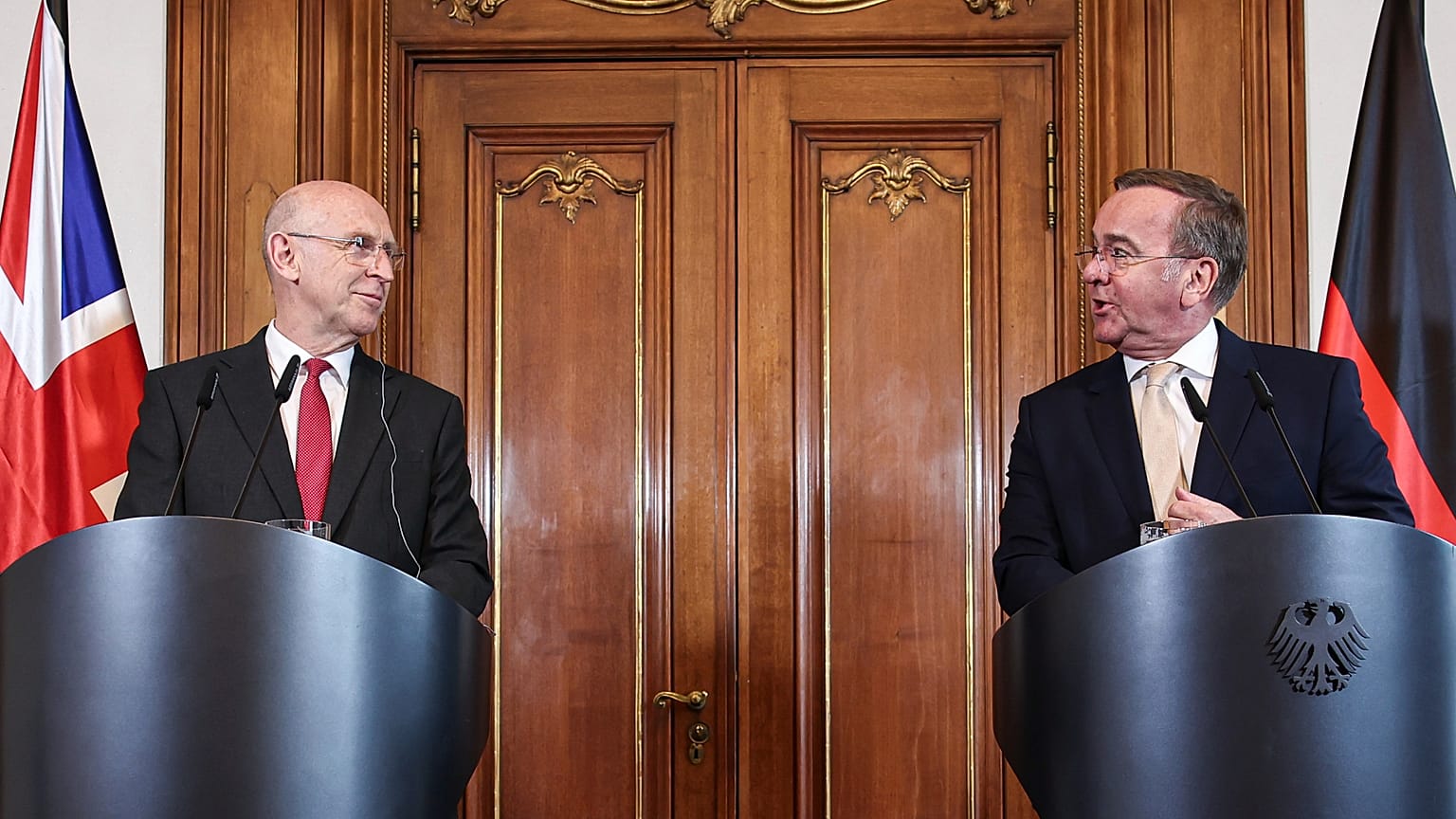
At a meeting with his British counterpart, John Healey, in Berlin, Defence Minister Boris Pistorius described the project as a response to the changed security situation.
For his part, Healey emphasised that the security policy partnership between the two countries was closer than ever. Cooperation not only strengthens defence capabilities, but can also provide economic impetus, stimulate investment and create jobs in both countries, he said.