
































While Washington seems inclined to tilt towards Moscow, Germany is rearming and may soon have the strongest army in Europe.
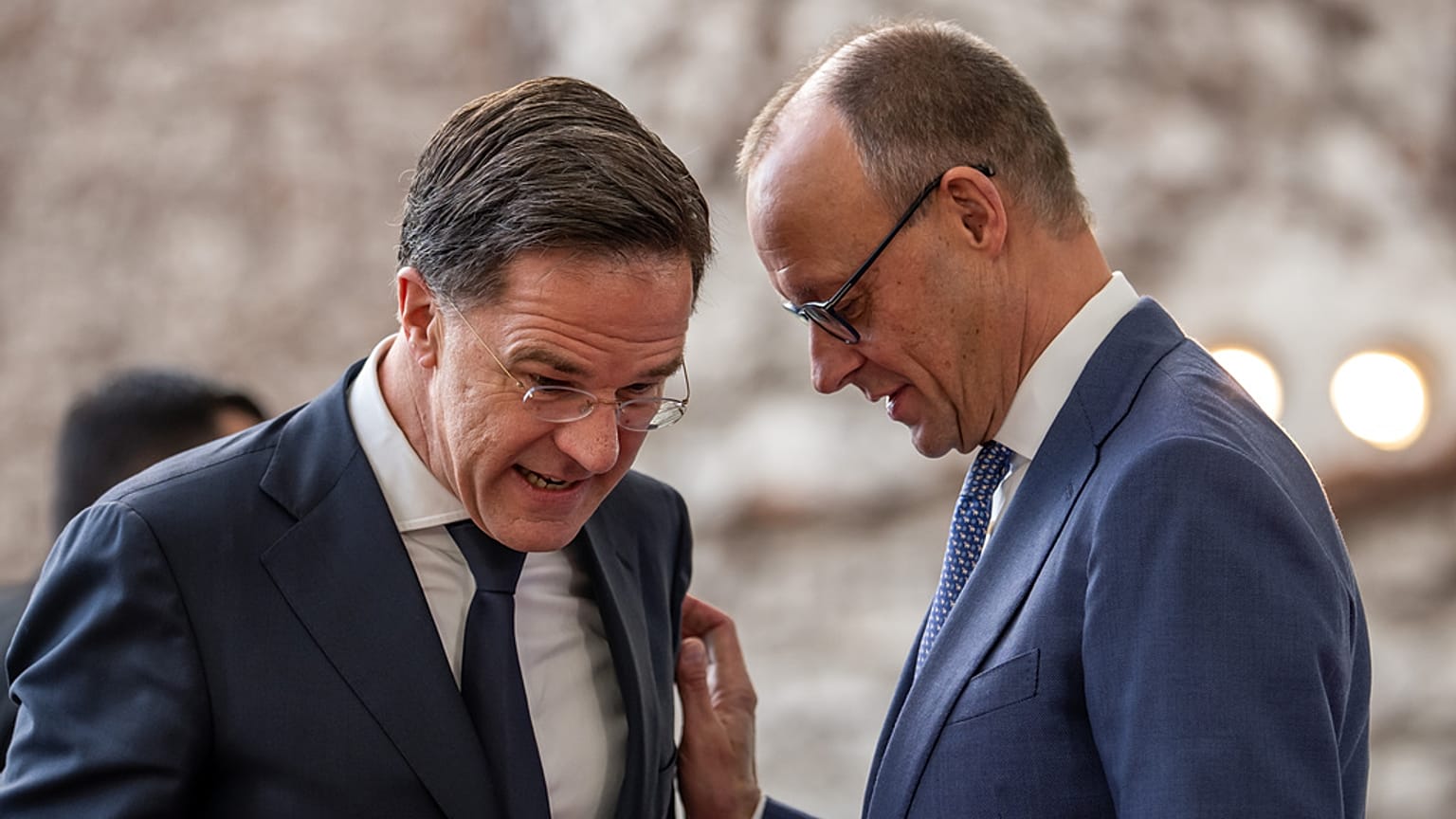
NATO Secretary General Mark Rutte praised Germany as a leading force in the transatlantic partnership stating it was "setting a good example," during a meeting with Chancellor Friedrich Merz on Thursday.
At the Chancellery, Merz emphasised that Europe still needs to do "much more" in terms of security and become more independent from the US, so that it could stand on its own against Russia in the event of a war.
However, Russia is already, in a sense, at war with Europe, warned John Lough, a former NATO staffer and geopolitical expert at the New Eurasian Strategies Centre (NEST), an organisation founded by Putin opponent Mikhail Khodorkovsky.

Russia is testing the West
The Danish intelligence service has warned that Russia may be preparing for a NATO attack. According to a report released Wednesday, Russia could be ready for a large-scale war by 2031.
At present, this could be called psychological warfare, says the geopolitical expert. "The Russians want Europeans to believe they are vulnerable and that Russia will ultimately be able to dictate the terms for a new security system in Europe," Lough explains.
According to Lough, Russia is following a very specific strategy.
"Part of Russia’s efforts is to divert attention from Ukraine and expose some of Europe’s defense vulnerabilities, so Europe starts investing more in its own defense rather than Ukraine’s defence," Lough said.
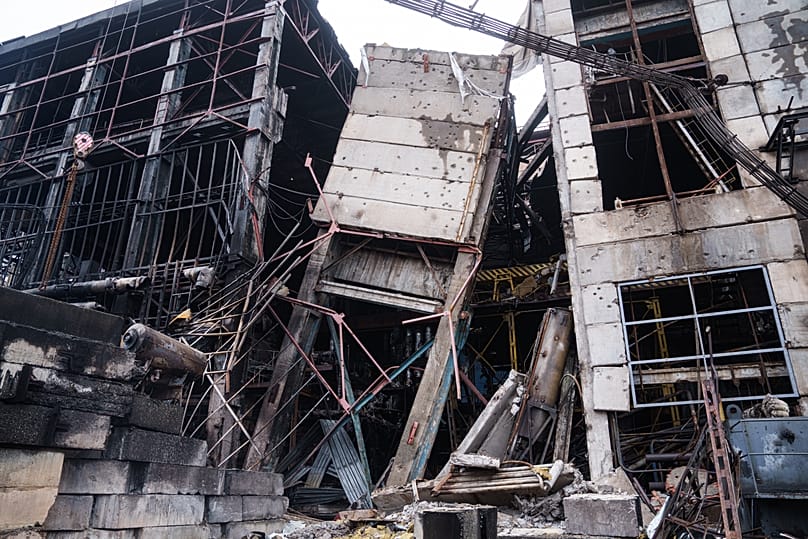
Russian threats are aimed at Europe’s fears, creating the impression that Russia is highly dangerous and unpredictable – seemingly with success.
"When the Ukrainian army was advancing in late 2022, it really had the Russians on the run," said Lough.
The eastern Europe expert believes the Russian army could indeed have been defeated at that time, with more support.
"That one moment was missed because a number of Western leaders were so worried about the possibility that a retreating Russian army would actually use a tactical nuclear weapon," Lough added.
"Although you couldn't have excluded that possibility at the time, I tend to think the probability was exceptionally low," the geopolitical expert noted.
Additionally, the US seems to be aligning with Russia. Recently, the Trump administration proposed a peace plan for Ukraine, which was said to largely reflect Russia’s interests.
"For the moment the Russians simply cannot believe their luck that they have somebody in Washington who is a realist, seems to speak their language and who agrees with them on many things including the fact that, in their view, Europe is decaying, weak and doesn't have the ability to project its values in the way it did in the past," Lough said.
"This congruence of interest between Washington and Moscow is absolutely extraordinary," the geopolitical expert added.
Germany on track to have 'the most capable army in Europe'
"Any negotiated solution must safeguard European security interests," Merz stressed at the Chancellery press conference.
A peace treaty must not come at the expense of the unity of the EU and NATO, the Chancellor said, adding it was important that Europeans remain part of this process. "No peace over our heads," Merz emphasised.
The problem, Merz says, is that the European Union is apparently not properly understood as an institution in Washington. The U.S. government seems to struggle to comprehend the EU as a union of states. For this reason, the Chancellor offered to speak to the U.S. on behalf of other EU member states.
Rutte stressed that Germany is sending an important "signal that Europe is ready to take even more responsibility."
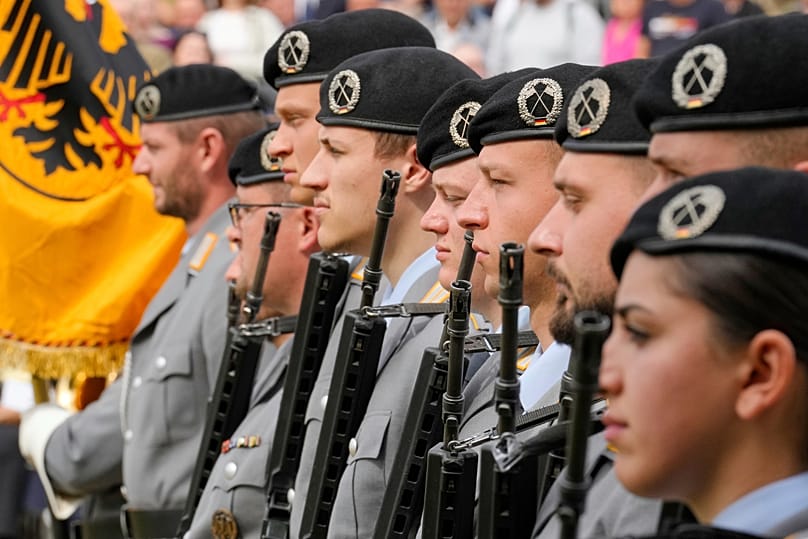
Lough confirms: "It has started to reinvest in defense and is going to have the most capable army in Europe, if this process is successful."
Germany could also play a key role in stabilising Ukraine after the war.
NATO security gap: Baltic states a 'fair-weather project'
However, the EU and NATO face a critical security gap: the Baltic states.
"The NATO enlargement to the Baltic States was a fair-weather project," says Lough. When it happened, no one seriously believed a situation like today’s would ever arise.
US President Donald Trump repeatedly emphasised his desire to withdraw from European security issues.
Does the EU now need to address these security gaps including in the Baltic Sea on its own? "I do not believe that the US is simply going to abandon Europe," Lough says.

Moreover, despite its statements, Russia is currently not prepared for war with NATO.
"The Russian army is fighting much better now than it was in February 2022 but it is still not fighting well," Lough noted. In the Donbas, the Russian troops are advancing at a "snail's pace," he added.
At the press conference, Merz said a new era had begun, requiring new answers. Europe has time to prepare these new responses, said Lough. "Rebuilding the Russian army will take more than five years," he concluded.