






























If a hazardous substance is leaking into your tap, you may be an indirect victim of an environmental crime. In this episode of The Road to Green, we meet people in Slovakia and Romania who are working to bring criminals to justice.
According to INTERPOL, environmental crime is the third biggest organised crime in the world, causing financial losses estimated at between €102 and €261 billion a year worldwide. This amount is growing by 5% to 7% a year.
Criminal offences include illegal pollution of air, water and soil, unlawful waste management, the illegal wildlife trade and habitat destruction. They can have serious impacts on human health and the economy.
Countries and citizens raise their voices
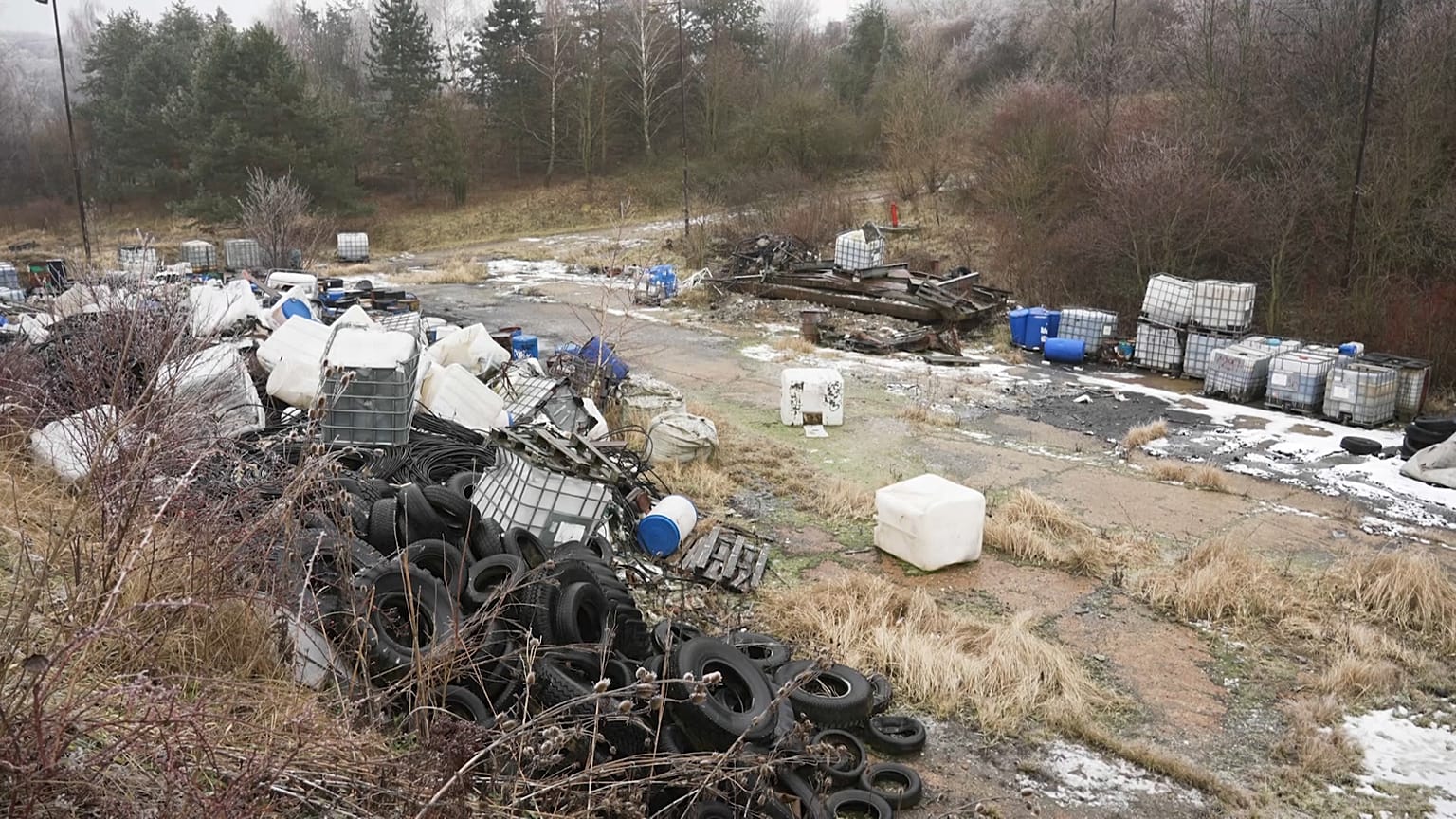
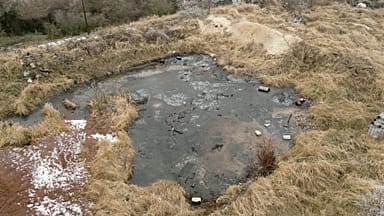
One year after the entry into force of a new European Directive on Environmental Crime, Euronews went to Slovakia, to the site of a former landfill where illegal waste management had been perpetrated. Waste crimes are known to cause serious harm in the country.
Residents of the nearby town and NGOs alerted the authorities, who investigated and closed the landfill. The suspects, who are alleged to have used legal organisations to carry out these activities, must now stand trial.
We also travelled to Romania, home to a large proportion of Europe’s primary forests, to observe the fight by the authorities and civil society against illegal logging. It is estimated that half of all trees cut down are illegally logged.
In response, Romania has developed a pioneering wood traceability system that enables citizens to check the legality of shipments. Other projects use technologies such as satellite imagery to highlight breaches of the forestry code.
Harmonising law enforcement
Detecting and prosecuting environmental criminals require considerable knowledge and resources. Some countries have thousands of specialised police officers and prosecutors, while others allocate fewer resources.
An updated version of the European Directive on Environmental Crime extends the list of criminal offences provided for under member states’ national law and includes measures to harmonise law enforcement across the Union.
The new categories of offence include illegal ship recycling, water extraction, offences involving chemicals and mercury and illegal timber trading.
If any of these acts cause serious damage to the environment, they will be considered as qualified offences and subject to more severe penalties. The directive establishes a progressive system of prison sentences and introduces new methods of fines.
The directive also aims to improve the effectiveness of all enforcers, by allocating resources, specialised training and cooperation mechanisms within member states.
The principle that the polluter should pay is at the heart of EU environmental policy. 92% of Europeans believe that polluting companies should pay the costs of cleaning up pollution, according to a study by the European Commission.
Read more