






























Buying fish shouldn't require a marine biology degree. Yet standing at the counter or browsing a restaurant menu, most of us have no idea whether our choices harm or help the ocean. Two new European apps aim to change that, by making sustainable seafood shopping easy.
When the sea runs empty
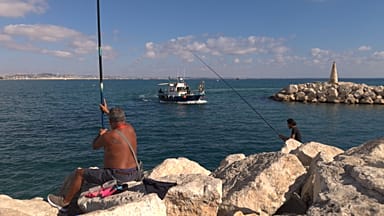
In Cyprus, local fishermen are struggling. Catches have plummeted so dramatically that they question whether it's worth going out at sea at all. Theodoros Melios, a fisherman in Larnaca, remembers better times: "In the past, the sea was different. Imagine — back in the day, this boat paid for my two children's university studies."
Walk through Larnaca's small fish market today and you'll find plenty of seafood on display. But only a fraction comes from local wild catches. Most are either farmed or imported. The same pattern repeats across the Eastern Mediterranean, where overfishing, habitat destruction, invasive species and climate change have depleted once-abundant stocks.
Citizens are aware of the troubles that the sea and the artisanal fishers are facing. According to the Cyprus Consumers Association, 64% of locals want to shop more sustainably, but lack the information to do so, especially when ordering fish at a popular coastal tavern. The menus don’t tell the full story. Where was the fish caught? What method was used? Is the species threatened?
Two apps, one goal
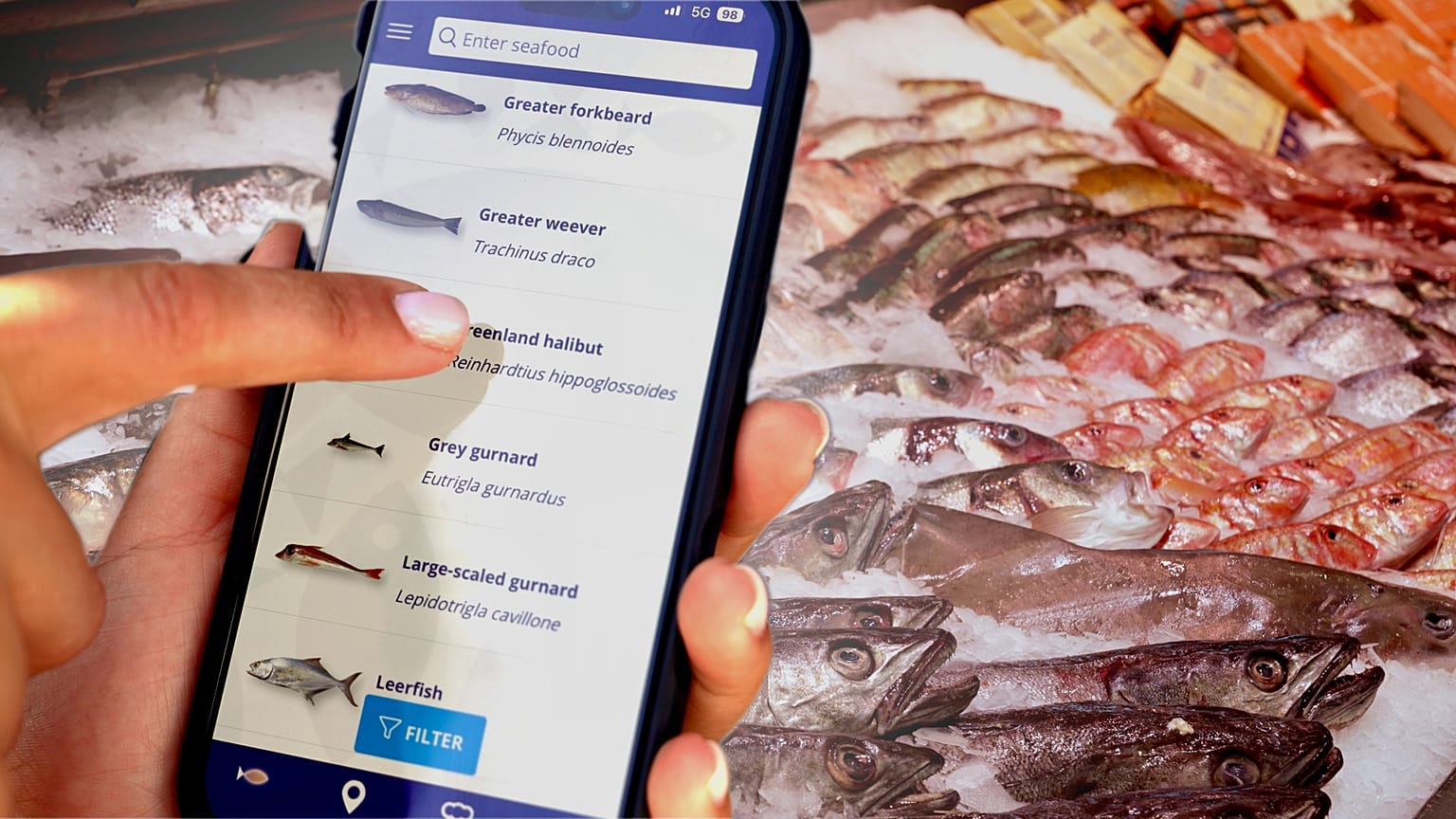
That’s the information gap that MrGoodFish3.0 and VeriFish are aiming to bridge: the two European-funded projects are developing smartphone apps to help consumers make more sustainable choices when shopping for fish.
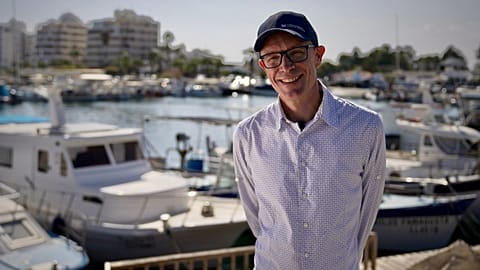
MrGoodFish3.0, coordinated by CMMI oceanologist Daniel Hayes, lets shoppers quickly check species details before purchasing. "You can open the app and say, 'Wait, is this fish even from the area?' You can check and decide for yourself," Hayes explains. The app draws on scientific data to provide various details, suggesting seasonal recommendations, recipes and personalised tips for more sustainable choices.
VeriFish takes a slightly different approach, using QR codes on menus and labels. Scan the code and you'll see nutritional information, sustainability credentials and even details about the specific company that caught or raised your fish. "The more transparent, traceable information the sector gives voluntarily, the more consumers see that as openness," says Ixai Salvo, the project's communication officer.
If you can’t beat it, eat it
Sometimes the most sustainable choice is the most surprising. In Cyprus and across the Eastern Mediterranean, lionfish — an invasive species from the Red Sea — is devastating local marine life. But restaurants have started turning the problem into a solution by putting lionfish on the menu.
Stefanos Mentonis, who runs a fish tavern in Larnaca, explains: "Now people know that by eating lionfish they're not just getting a tasty, affordable dish. They're helping the environment too. Two wins with one move."
Apps like MrGoodFish3.0 or VeriFish could highlight exactly these kinds of sustainable alternatives, helping consumer choices directly benefit struggling ecosystems,while supporting local fishers who can catch more invasive species.
Will anyone actually use these apps?
Not everyone is convinced that sustainability apps will catch on. Various developers have tried before, but making a comprehensive, user-friendly and constantly updated app that would work across the entire European Union remains a challenge.
Recent Eurobarometer data shows that most European consumers prioritise price, not sustainability, when buying fish. Only 36% say they want more environmental information on the labels — an eight-point drop in four years.
Still, Dutch fishmonger Niek Waasdorp believes consumer awareness is improving, and the retailers are there to help: "The customers can always ask the seller what sustainable fishing means. There's usually a label like MSC, then you know there's no overfishing and nature isn't being damaged too much."
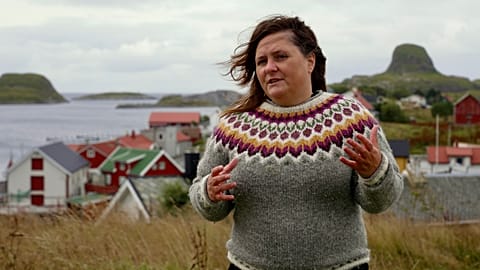
Sara Pittonet Gaiarin, who coordinates VeriFish, argues that new consumer apps could help make a difference: "The real outcome is increased knowledge and awareness. As citizens, we learn what we should care about. We know that sustainability is complex, but it can be more understandable."
And the fishing industry can see a business opportunity. Companies willing to share their data with the apps could stand out in a crowded market. Consumers who feel better informed could potentially buy more products.
As Europe works to reduce its reliance on imported seafood and unsustainable fishing practices, digital tools could help create a much needed connection between the person shopping for fish and the fisher hauling in nets. Whether enough consumers will actually use these apps remains to be seen. But for those who do, it will be much easier to make the right choice.
Read more