















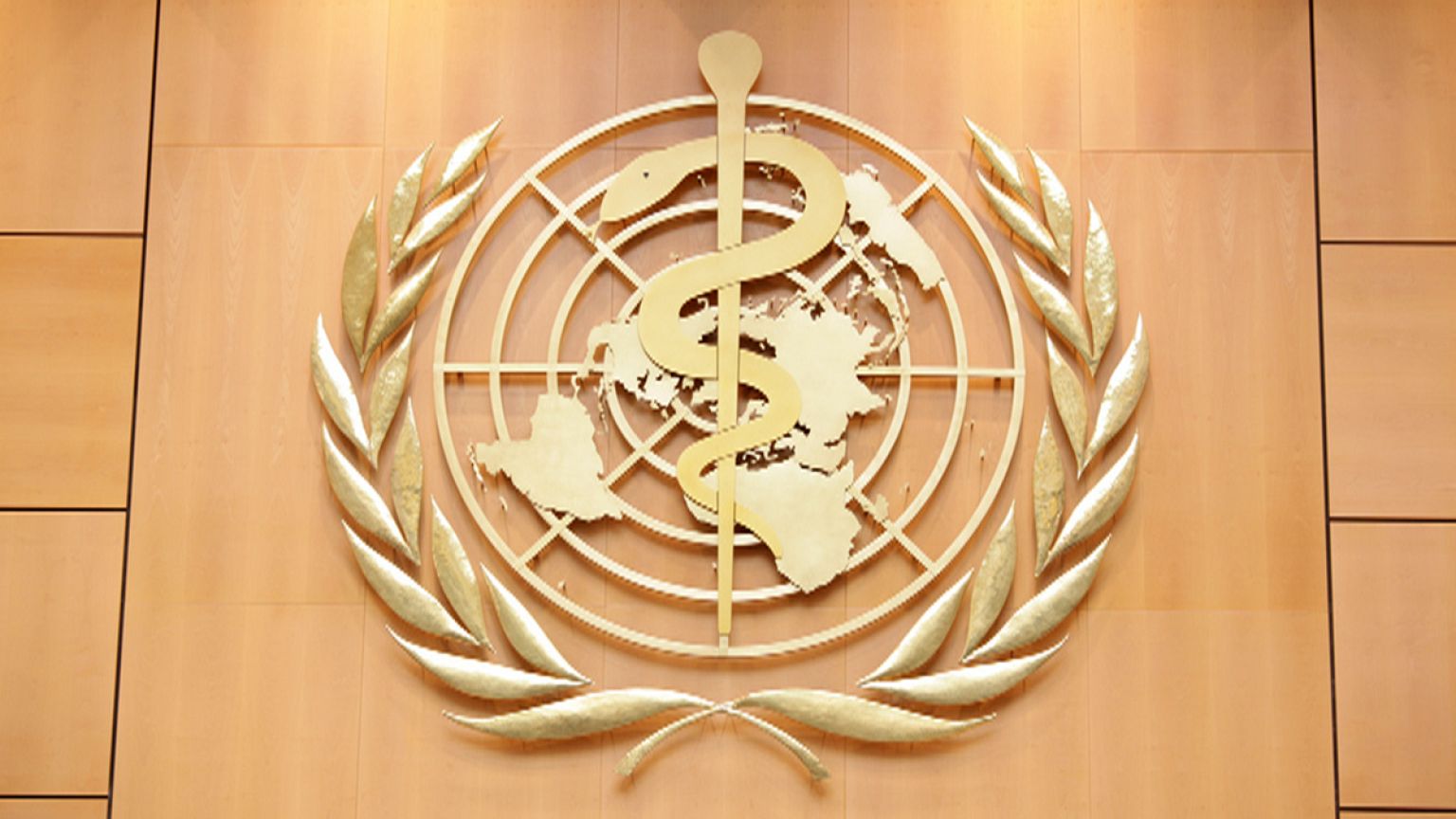













The vaccine Menomune®, which is designed to prevent invasive meningococcal disease, has been pre-qualified by the World Health Organization (WHO).
 ADVERTISEMENT
ADVERTISEMENT
ADVERTISEMENT
Sanofi Pasteur, who will manufacture the vaccine, made the announcement on 3 September, adding that the vaccine has also been accepted for purchase by United Nations Agencies.
According to the Sanofi Pasteur site, the prequalification assessment is designed to provide assurance that the vaccine will “meet WHO recommendations on quality, safety and efficacy, including compliance with WHO’s recommended standards for good manufacturing practice (GMP) and good clinical practice (GCP).”
The prequalification was the result of collaboration between the WHO and the US Food and Drug Administration (FDA), and will be recommended for use in persons aged two years and above. The WHO has also informed UNICEF of the outcome.
First licensed in the USA in 1981, the Menomune® vaccine is now licensed in 17 countries and has shipped more than 22 million doses worldwide since its conception.
Sanofi Pasteur’s Chief Medical Officer, Luc Kuykens, explained the importance of the vaccination, particularly given the different strands of the meningococcal disease:
“The value of a quadrivalent meningococcal vaccine is becoming more and more realized as evidenced by the circulation of the W-135 strain in the Western part of the African meningitis belt this past year.”
Menigococcal disease is rare, but can cause Meningitis (swelling of the brain or spinal chord) or meningococcemia (blood infection) and is spread very easily through a number of everyday activities. The symptoms of the disease are similar to those of more common viral illnesses, making it potentially hard to recognise, particularly in its early stages.