


























The 76th Berlinale begins on Thursday with films from 28 countries competing for the coveted Golden Bear. Political issues are set to dominate the agenda again with many titles celebrating their world premieres in the German capital.
The Berlinale opens on Thursday, turning the German capital into a genuine paradise for film lovers.
 ADVERTISEMENT
ADVERTISEMENT
ADVERTISEMENT
Widely considered one of the most political film festivals in the world, competition this year again reflects the major issues of our time.
Between intimate character studies and global conflicts, directors from different parts of the world will present films that grapple with power, identity, memory and social change.
Women and the roles they play in very different societies occupy an especially prominent place this year. Mental health and addiction are also brought to the fore.
The selected entries combine personal stories with a clear political stance and show how cinema can hold up a mirror to contemporary realities. Five films in the competition stand out in particular - for their subject matter, their distinctive cinematic language and their relevance beyond the cinema.
1. At the Sea
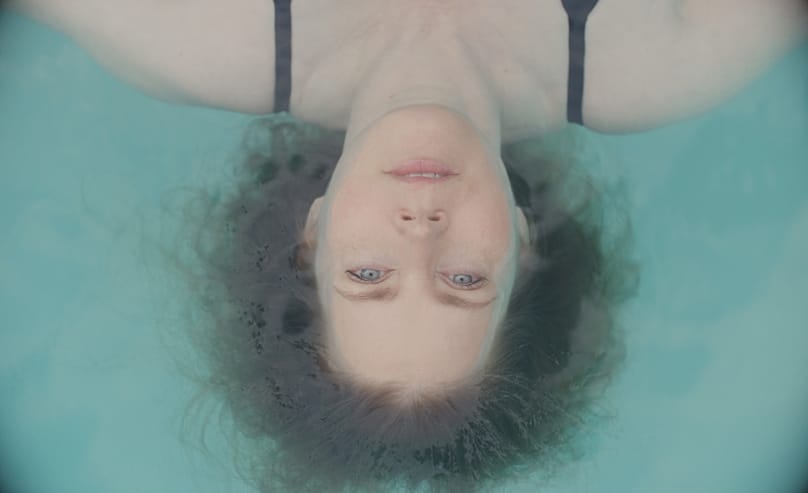
This US-Hungarian co-production traces the story of Laura and her family. As a dancer, the high point of her life takes place on stage, but her regular drinking spirals into addiction. After an accident her daily life changes abruptly, followed by detox, a spell in rehab and a cautious return to old routines.
But not everyone welcomes Laura back with open arms. Her teenage daughter Josie is openly hostile, her son Felix keeps his distance. Her husband Martin receives her cautiously, torn between affection and mistrust.
The film is regarded as an intimate character study, charting Laura's emotional journey out of addiction.
2. Dao
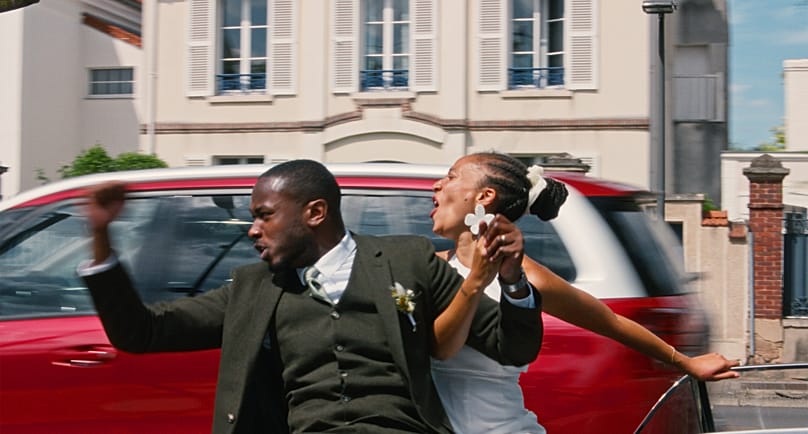
The film Dao centres on a woman from the West African state of Guinea-Bissau who travels back and forth between a funeral and a wedding. Individual stories and shared cultural roots are woven together from elements of fact and fiction.
At the heart of the film is the definition of its title: "The Dao is the ceaseless, circular movement that flows through everything and connects the diversity of the world."
3. Josephine
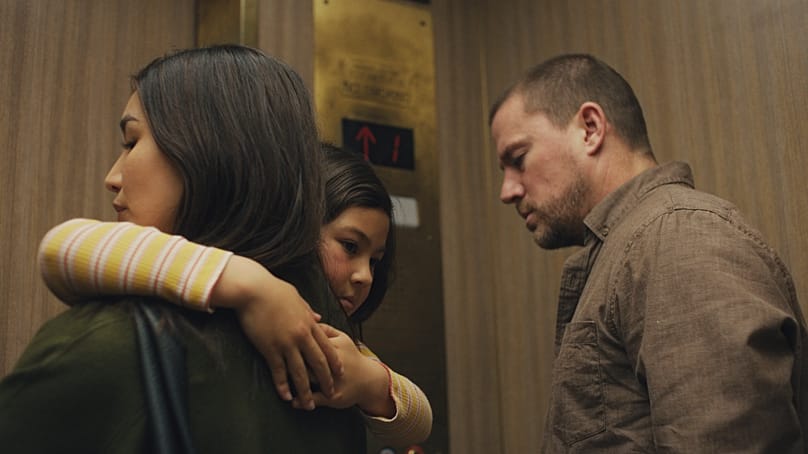
In Beth de Araújo's drama a family tries to come to terms together with a traumatic event. Early one morning, eight-year-old Josephine and her father Damien go to the park to play football and witness a jogger being raped by a stranger.
Josephine has questions, but her father remains silent. Instead, he signs her up for a kung fu class, yet her childhood has already been radically altered by the trauma.
From now on the world is a dangerous place. For Josephine there are only two groups of people: friends she has to protect and enemies she has to protect herself from.
Her father, played by Channing Tatum, ignores her emotional state. A conflict also begins to brew between the parents over how to deal with their daughter, who is becoming increasingly aggressive.
4. Rose
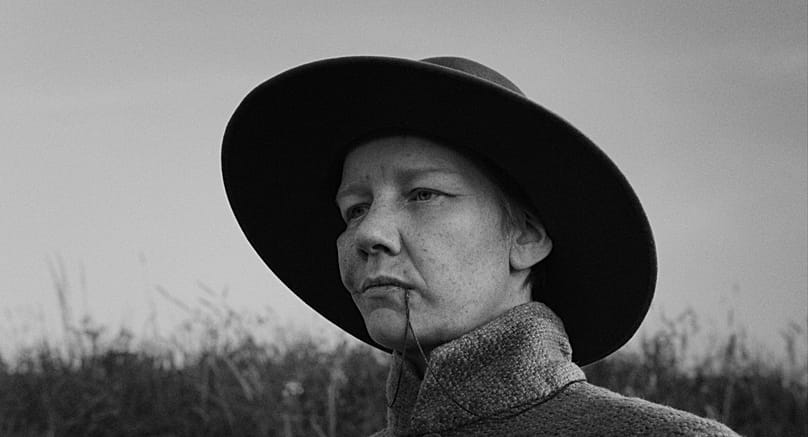
17th century Germany. A stranger with a scarred face, dressed as a soldier, presents himself as the heir to an abandoned farm. The community of a remote village is sceptical. His diligence and piety, however, impress them and in the end the mysterious soldier becomes part of the community.
Yet his place among them is built on a lie. His appearance conceals his true identity: the real, tangled story of a con artist, born a woman, who lived as a man and duped an entire village. The lead role is played by Sandra Hüller.
5. Queen at Sea
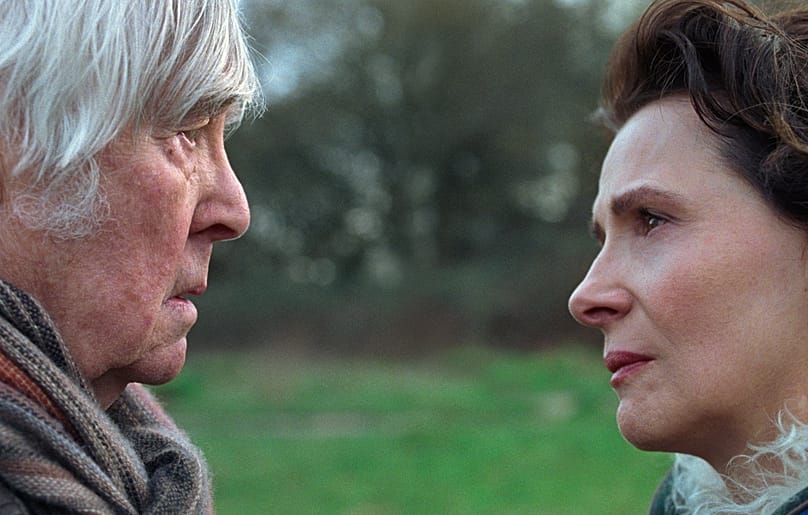
Amanda's mother Leslie has dementia, and the disease is progressing. Amanda's stepfather Martin and Amanda disagree over who should make the key decisions about Leslie's future.
Is the spouse, the daughter or neutral institution best placed to make the call? And which decisions truly reflect Leslie's wishes, and which serve those of her relatives? The situation increasingly overwhelms everyone involved.
It is director Lance Hammer's second feature film.
Golden Bear awards
A total of 22 films are running in the competition, all of them hoping to win the coveted "Golden Bear" for best film.
The jury is made up of numerous renowned directors and producers, headed by German writer, director and photographer Wim Wenders as jury president. Prominent voices from around the world are also represented: Min Bahadur Bham from Nepal, Bae Doona from South Korea, Shivendra Singh Dungarpur from India, Reinaldo Marcus Green from the United States, HIKARI from Japan and Ewa Puszczyńska from Poland.
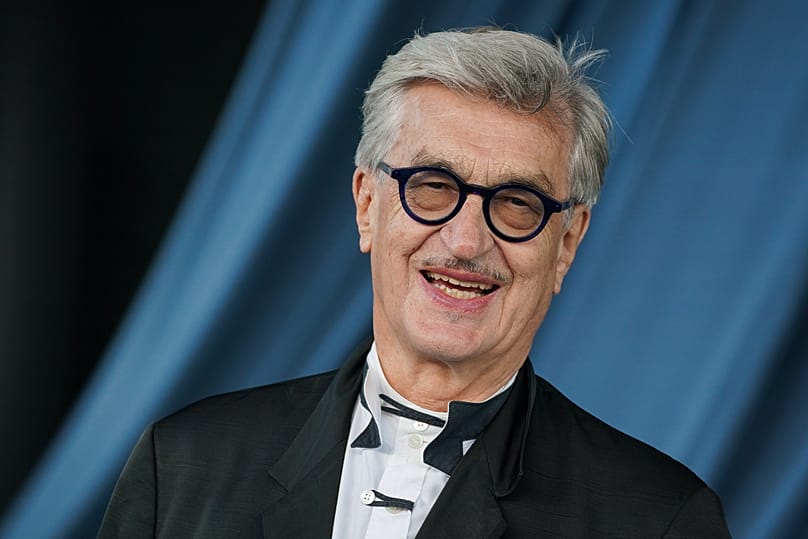
The Golden Bear will be awarded on 21 February. The winning film will then be screened once again at the closing gala.
Over the coming days the competition films will be shown in various Berlin cinemas. Tickets can be purchased two days in advance.