















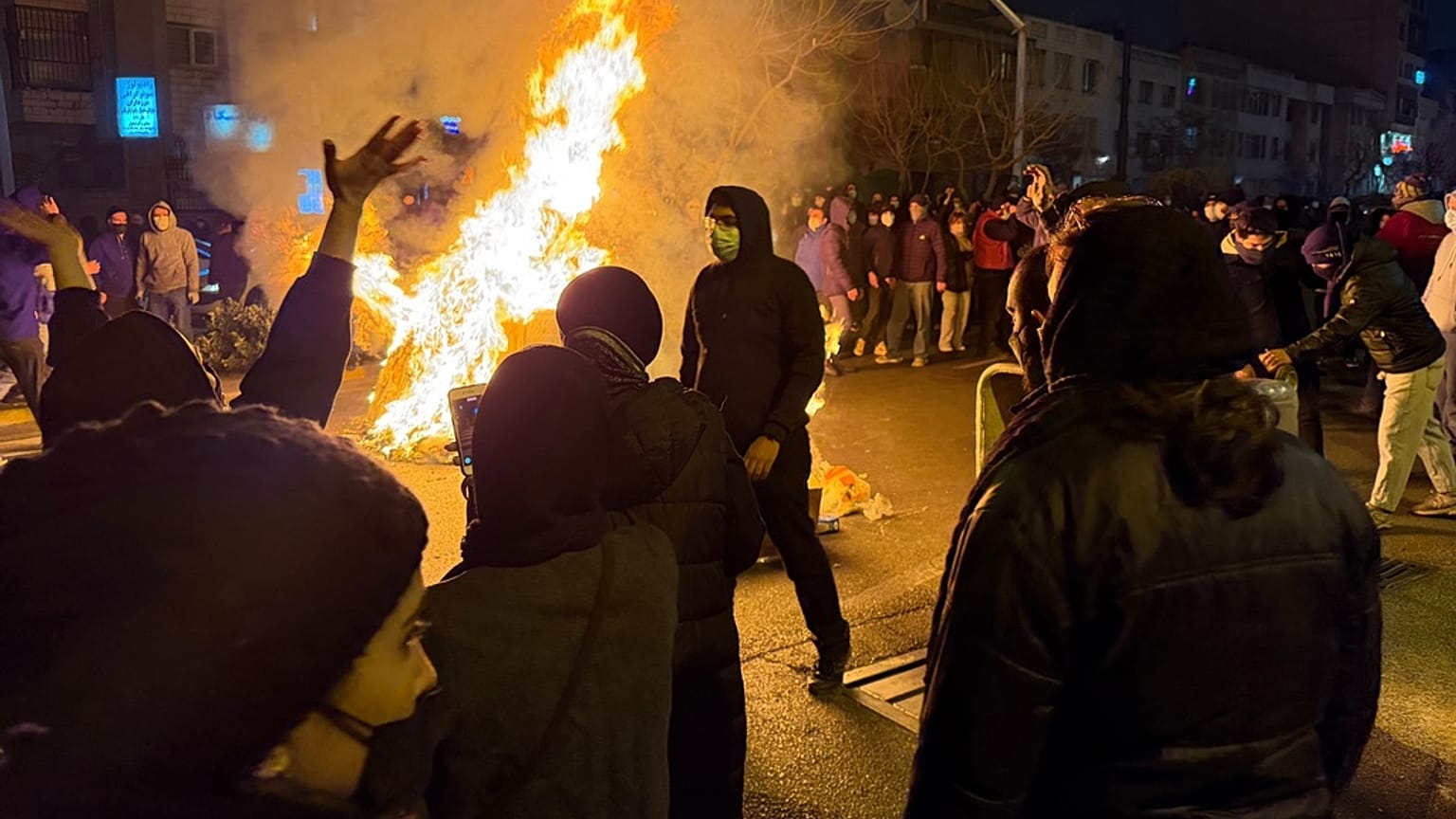













Euronews spoke to Ilia Hashemi, a popular online activist whose Telegram channel is a source of reliable news from within Iran, who has been among the few during the ongoing protests to cover and relay the scant information coming out of Iran despite a regime-imposed internet outage.
At least 15,000 people may have died in ongoing protests as authorities use detection equipment to locate Starlink satellite devices and prevent news from reaching the outside world, an Iranian activist told Euronews on Tuesday.
 ADVERTISEMENT
ADVERTISEMENT
ADVERTISEMENT
Ilia Hashemi, speaking in a video for Euronews Parsi, said internet access in Iran has been completely cut off for over 112 hours, with all available information coming from people who managed to connect via Starlink.
"The situation currently unfolding in Iran is a widespread killing and a disaster," Hashemi said. "Estimates suggest at least more than 15,000 dead."
Hashemi said he spoke with medical staff at hospitals in Tehran, Shiraz, Rasht, Sari and Kerman. A doctor at the transplant hospital in Shiraz asked for help because so many people have lost their eyesight. One hospital alone reported more than 300 cases of eye injuries.
"The volume of killings is catastrophic and unestimable," Hashemi said. "The current situation is a total genocide, a crime against humanity and the world has been silent saying why there are so few videos. The Iranian people don't have internet and the situation is very catastrophic."
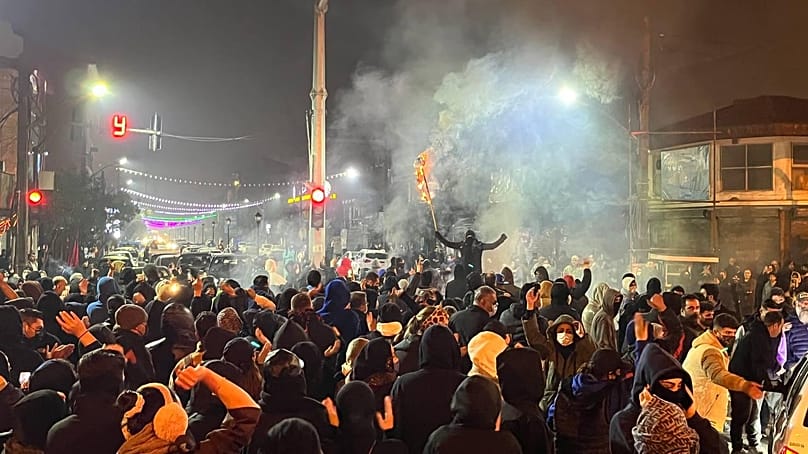
Hashemi said the Islamic Republic is using RF detectors to identify Starlink devices. Authorities are desperately trying to prevent stable connections using jamming devices for signals and GPS, entering homes and interrogating suspicious individuals.
"The upload speed by Starlink users in Iran has been drastically reduced. The situation is very scary," he said.
A witness in Shiraz told Hashemi that Basij forces were using teenagers as young as 15 due to lack of personnel. The witness described a teen given a shotgun who "didn't understand at all what he was doing and as if he was playing a video game; he would suddenly walk into the crowd and shoot."
Another witness in Tehran's Pars neighbourhood said a security officer mounted a machine gun on a police car and fired at people without warning.
Hashemi said there is no news from Sanandaj, Izeh and dozens of cities and hundreds of counties and small villages in southern Iran, including Sistan and Baluchestan, because residents have not been able to access Starlink.
"If until today people spoke of the most brutal crime that took place on 7 October today they should speak of the most brutal acts of a government over the people of that country," Hashemi said. "The Islamic Republic is a terrorist state that has no remorse for the killing of human beings."