












As "salvaged stays" begin to trend, we take a look at some of the infamous jailhouses finding new life as luxury properties.
With tiny living quarters and less than appealing food, prisons aren’t exactly synonymous with a luxurious escape (or escape full stop…).
 ADVERTISEMENT
ADVERTISEMENT
ADVERTISEMENT
But with ‘salvaged stays’ – or heritage buildings that have been turned into hotels – among 2026’s top travel trends, a select number of former jails are finding new lives as five-star properties.
From an Ottoman-era lock-up to a space built to hold German revolutionaries, these are the most luxurious jail breaks around the world.
Travellers can soon stay in an ex-juvenile prison in Japan
Set to open in June this year, this Hishino Resorts property is found within the former Nara Juvenile Prison.
First opened in 1908 during the Meiji period, the building was a working prison until 2017, at which point it was closed and designated a National Important Cultural Property.
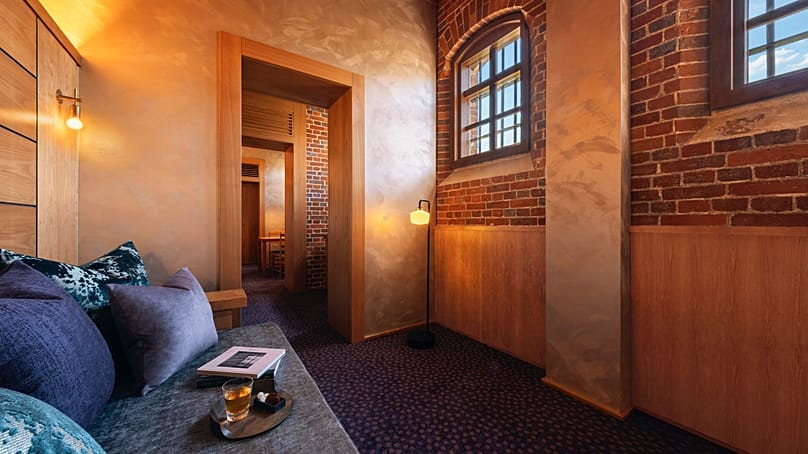
The Japanese hotel brand has worked to keep the feel of the prison, including its red-brick façade and internal steel frame works, without feeling cramped.
An all-suite hotel, between nine and 11 former single prison cells have been combined to create each of the 48 keys, while the former detention wing will now be home to a Japanese-French restaurant.
The Nara Prison Museum is also set to open on-site this April, with visitors able to learn more about the history of the institution as well as its architectural heritage.
Outside of the hotel, guests can visit Nara Park, famed for its free-roaming deer, and various temples including the UNESCO World Heritage-listed Todai-ji, which formed part of the Seven Great Temples of the city.
Istanbul’s jail for intellectual dissidents is now a Four Seasons
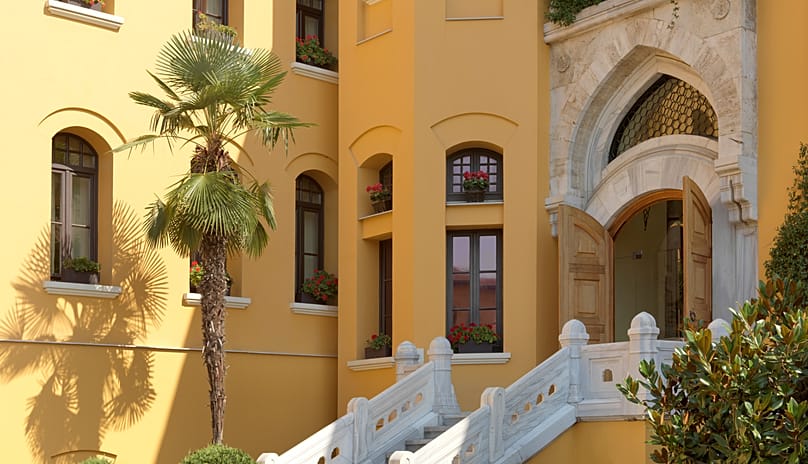
Designed by Mimar Kemaleddin Bey in Turkish neoclassical style, the Four Seasons Hotel Istanbul At Sultanahmet was built in 1918.
It served as a prison until 1969, during which time it mostly held intellectual dissidents such as writers or journalists. Many Turkish classics were penned here, including Nazım Hikmet Ran’s Human Landscapes from My Country and Orhan Kemal’s Ward 72.
After another brief stint as a jail for political criminals in the 1980s, the building was extensively renovated and reopened as the Four Seasons Hotel Istanbul At Sultanahmet in 1996.
Today, beyond the exterior and preserved marble and stone in certain areas of the property like the spa, the hotel doesn’t bear much resemblance to a prison at all, with 65 spacious rooms and suites overlooking the Bosphorus.
Inside, you’ll find the traditional Kurna Spa, complete with hammam experience, as well as several restaurants and bars.
The hotel’s location in the Sultanahmet neighbourhood means you’re close to attractions including the Hagia Sophia and Topkapi Palace.
A jail turned for freedom fighters turned into Hotel Liberty
Dating back to the 1840s, Hotel Liberty’s first ‘guests’ were political prisoners from the failed Baden Revolution of 1848.
Reopened as a hotel in 2017, architect Jürgen Grossmann connected the two former wings with a glass cube that now serves as the hotel reception.
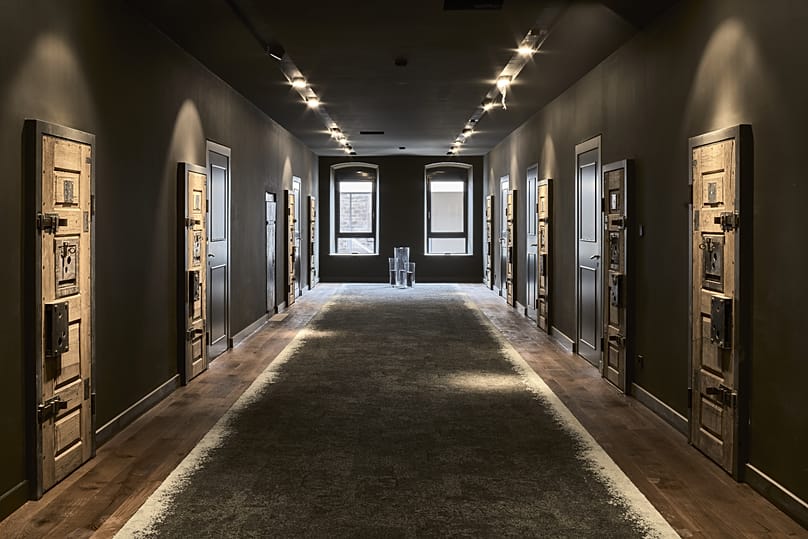
There are nods to the building’s original use throughout – while the cell doors are too small for practical use, they hang next to each of the 38 suites, and the hotel restaurant’s name, Wasser&Brot, refers to a prisoner’s typical diet – water and bread.
Offenburg is one of the gateway cities to Germany's Black Forest, offering plenty of hiking and walking opportunities nearby.
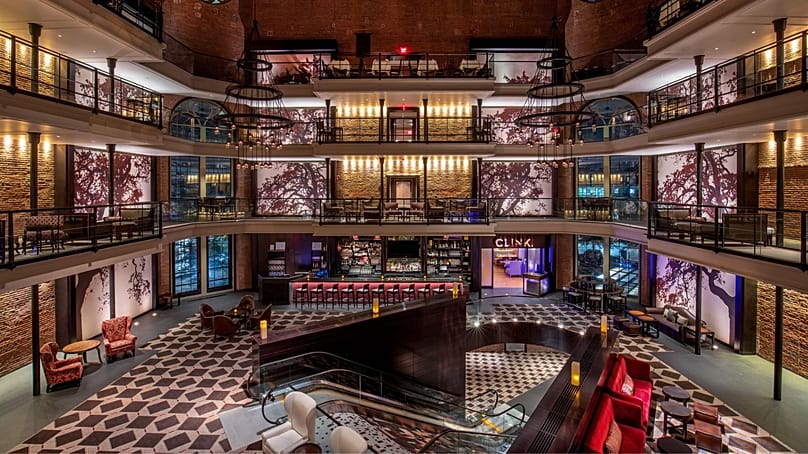
The infamous Charles Street Jail, now The Liberty in Boston
First opened in 1851, the Charles Street Jail was built in collaboration with prison reformer Rev. Louis Dwight.
The design, which includes an octagonal central building and three-storey arched windows in each of the four wings, allowed light to pour into the building.
Functioning as a jail until 1990, that luminous atrium is now a defining feature of the hotel, which opened in 2007.
Other heritage elements include the wrought iron on the windows, and preserved jail cells within the hotel restaurant, while what was once the exercise yard has now been turned into a landscaped courtyard.
Restaurant names are all playful references to the building’s former use, with the bar Alibi set in the jail’s drunk tank. You can even learn about the history of the jail on a weekly tour.
Located within the historic Beacon Hill neighbourhood, hotel guests can wander over to the Charles River Esplanade or visit Boston Common.
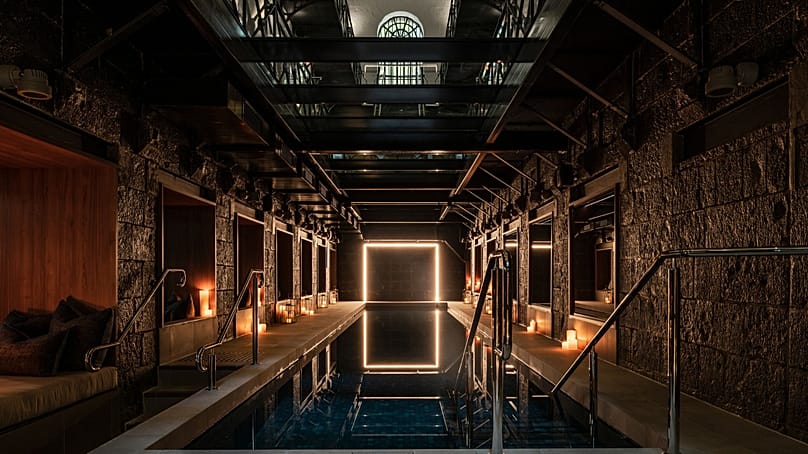
Stay at one of Australia’s most infamous prisons at The Interlude
Pentridge Prison, once the home of notorious criminals including Ronald Joseph Ryan and Mark ‘Chopper’ Read, has been undergoing a transformation over the past decade.
Serving as a prison between 1851 and 1997, the site is home to various restaurants and bars, a cinema, and even a wedding venue.
Its B Division is now The Interlude, a boutique hotel with just 19 suites.
To create each of the suites, four or five individual prison cells have been combined together, and the room’s interiors keep the original stone work while bringing in modern amenities.
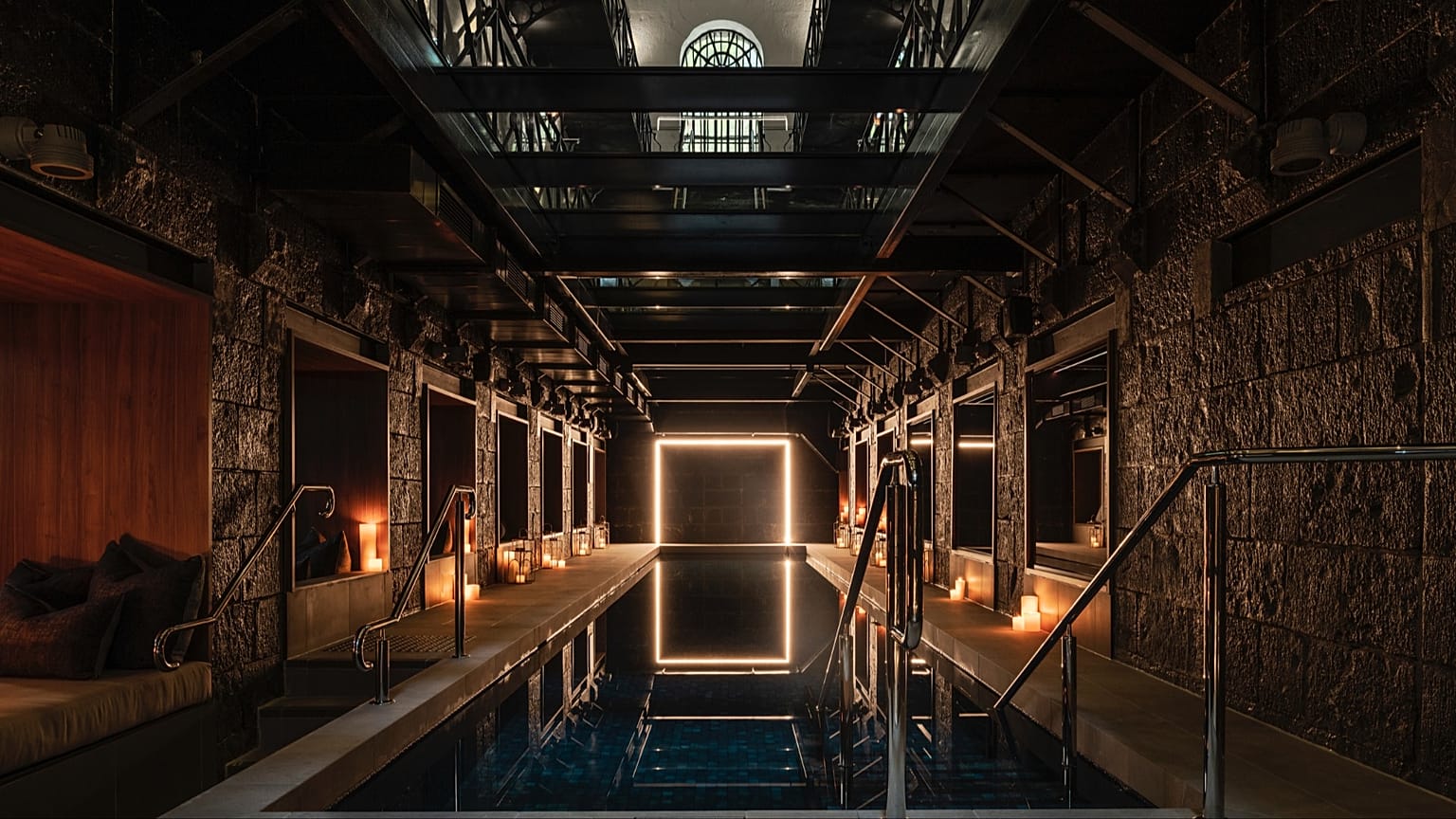
The hotel bills itself as the world’s “first urban wellness retreat set in a converted prison”, with a subterranean swimming pool as its centrepiece.
Guests can learn more about the history of the jail on a Pentridge Prison tour, which takes place in H Division.
Pentridge was built on a sacred area for the Wurundjeri people, and before the hotel opened, local Wurundjeri Elder Bill Nicholson performed a ceremonial cleansing of the site.
Aside from exploring the wider Pentridge Coburg complex, the neighbourhood is known for its cafes and Middle Eastern restaurants.