












Over the last two years, Libya has been making a deliberate push to attract international tourism.
In November 2025, James Willcox, founder of adventure travel company Untamed Borders, led his first trip to the south of Libya in 14 years.
 ADVERTISEMENT
ADVERTISEMENT
ADVERTISEMENT
A devastating six-year civil war and ongoing sporadic clashes since the 2020 ceasefire have rendered most of the north African country out of bounds for travellers.
But attitudes are changing. The Libyan government is enacting measures to open the doors to international visitors, while tour companies are adding itineraries to the country.
Although Libya remains a challenging and potentially risky destination, tourism is growing.
How war-torn Libya is opening up to international tourism
Over the last two years, Libya has been making a deliberate push to attract international tourism.
The country introduced an e-visa system in 2024, streamlining the once lengthy and bureaucratic process for visitors. Where it once required a trip to an embassy and months of waiting, getting a visa is now an online application that is usually approved in a couple of weeks.
Renovation works have been completed at key visitor sites and new attractions are opening.
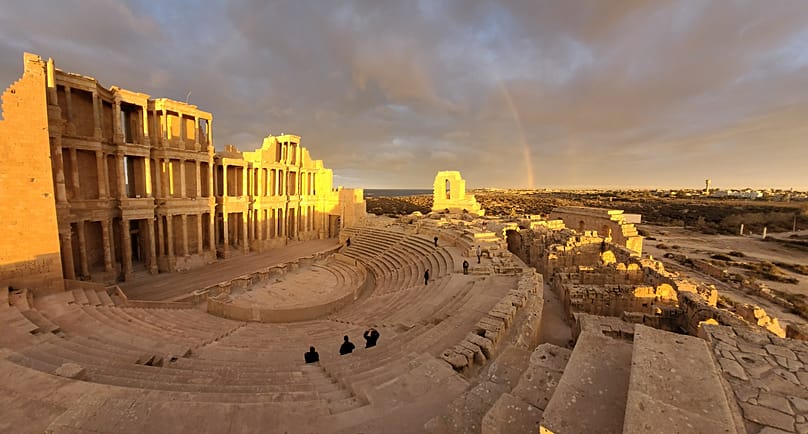
Last month, the revamped National Museum in Tripoli reopened after a 14-year closure, while extensive renovation work has been done to Tripoli’s Old City of sand-hued buildings and souks, with help from UNESCO.
Work is also resuming on key development sites, including Tripoli’s Al-Andalus Tourist Complex with hotels, a yacht marina and shopping malls, which had stalled for the past 14 years.
Meanwhile, events are being held to attract more visitors, including a desert rally in Wadi al-Hayat held at the beginning of the year.
A new national airline is also being created to improve connections to international destinations.
Tourists return to Libya after over a decade
These developments are already seeing a return. In the first half of 2025, there was a 60 per cent increase in the number of visitors to the country compared to the previous year, according to Minister of Tourism and Handicrafts, Nasr El-Din Al-Fezzani.
The government says in the first half of 2025, 282,000 people visited Libya’s key archaeological sites, such as Sabratha and Leptis Magna.
The uptick in visitors is also because the country is undergoing a spell of relative stability, allowing access to parts of Libya that have been out of reach for over a decade, explains tour leader Willcox.
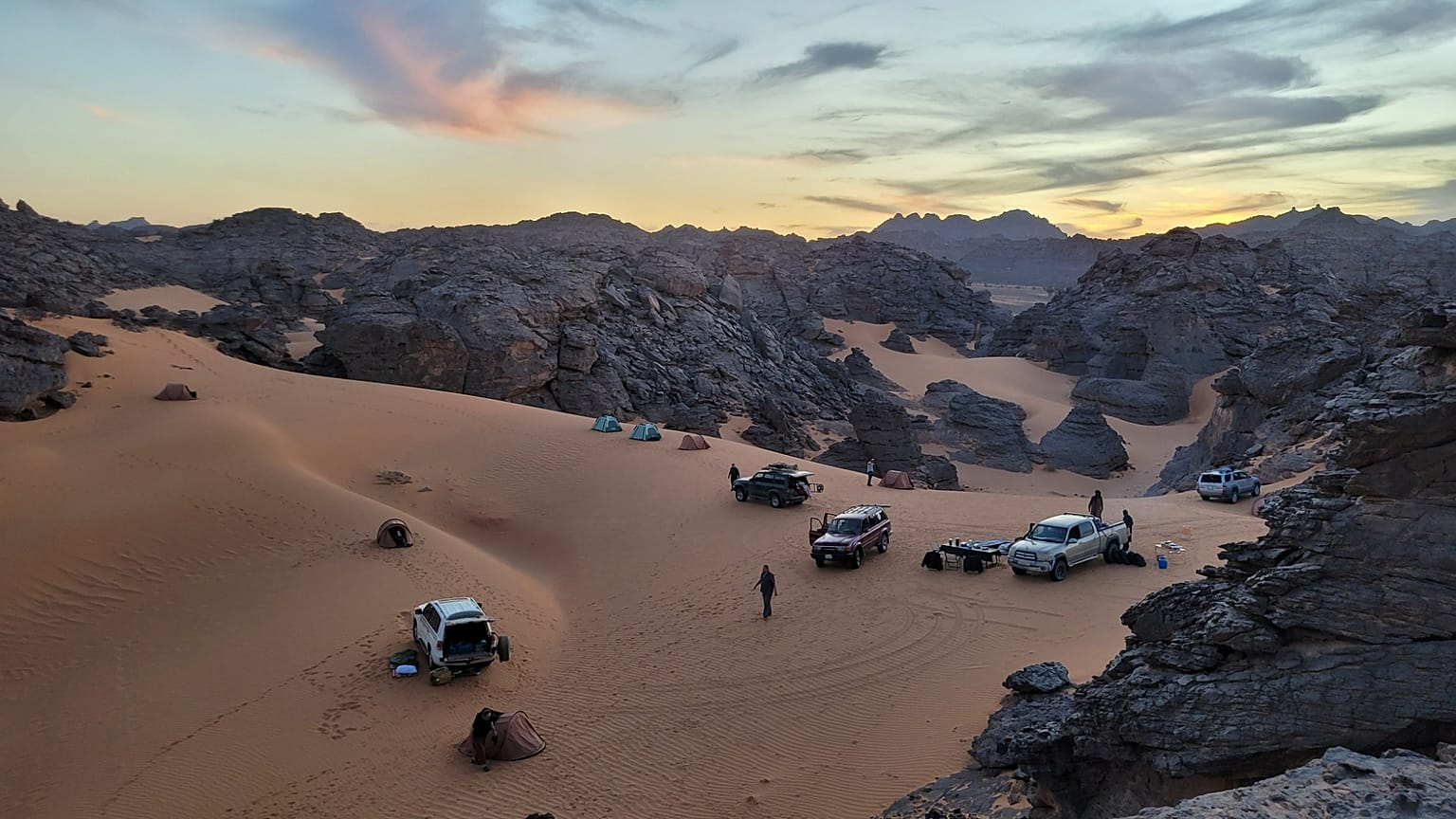
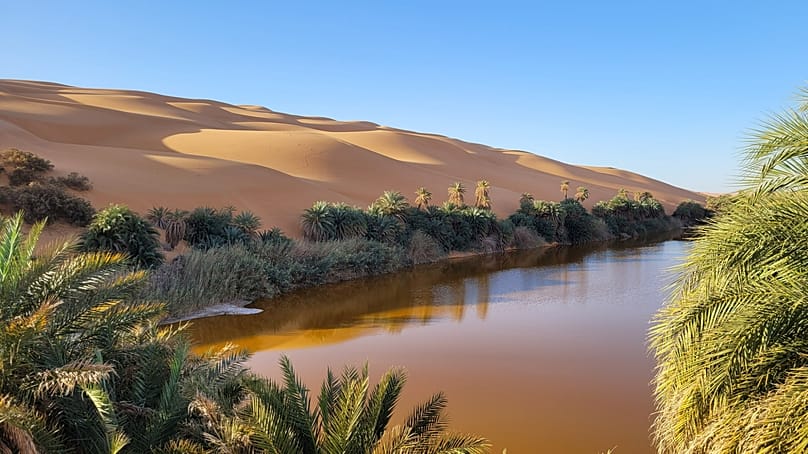
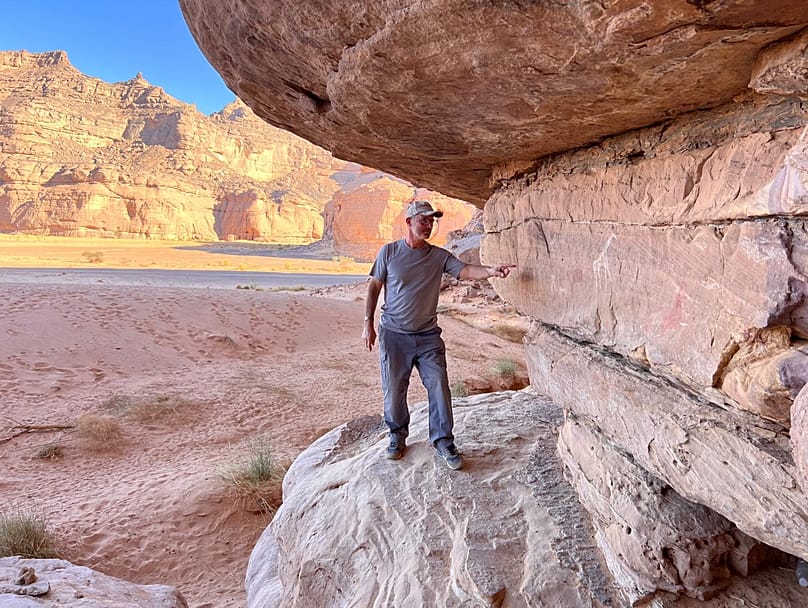
In November, Untamed Borders organised its first trip in 14 years to the Sahara Desert in the south of Libya, visiting locations including the UNESCO World Heritage sites in the Jebel Acacsus, the Oases of the Ubari and the desert town of Ghat.
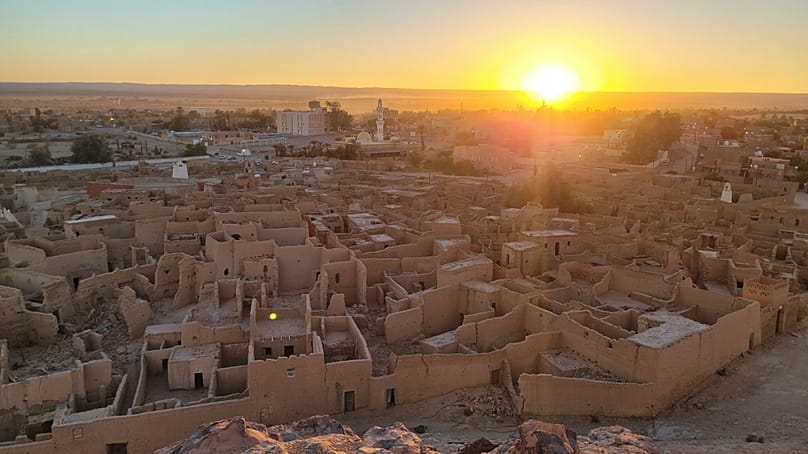
They also stopped in Gadamis, a whitewashed desert city right on the Tunisian border and a designated UNESCO site.
Untamed Borders has resumed private trips to eastern Libya, too, visiting Benghazi, the ancient remains of Apollonia and the UNESCO World Heritage sites at Cyrene.
Over the past 12 months, the company has seen a 200 per cent increase in its bookings for the country, compared to 2024. Initial bookings for 2026 are also already higher than the total for two years ago.
Tourists are given a police escort to travel in Libya
Despite the improvements to services and facilities for tourists, travelling in Libya still comes with complications.
These include getting permits and permissions required for a visa, dealing with security risks, and logistical challenges in remote areas, explains Willcox.
One thing travellers need to prepare for is the requirement to be accompanied by government security officials or a police escort.
“Generally, those guys are happy to travel around to the places listed, but the only real issue is that they have an agreement on where you're going,” says Willcox.
“If you change that, you have to submit an application, so you can't change things on the hoof very easily.”
Didier Goudant, a French lawyer living in Portugal, joined Willcox on a tour to the south of Libya last year.
He has visited plenty of adventurous destinations, including Afghanistan and Iraq, but it was his first time in Libya.
“I really like Muslim countries, I always have a very good experience. People are really nice, welcoming and friendly,” he says. “I have a lot of colleagues who have been to Libya, including for work in the 80s and 90s. They always loved it and said it's a great country.”
Although having a police escort might seem alarming, Goudant says their officer was unarmed and in plain clothes, and essentially there to make things go smoothly.
“There are checkpoints during the trip on the roads and so on, so the policemen can help if we’re asked too many questions, or it's becoming difficult,” he says.
“The policeman in the north, in Tripoli, was a really nice guy. He had never been to some of the places we went to, so he was very pleased and was taking pictures with us.”
Libya remains on governments’ ‘do not travel’ lists
Another logistical issue when travelling to Libya is insurance. The country remains on many governments’ ‘do not travel’ lists. The UK’s FCDO advises against all travel to Libya except for the cities of Benghazi and Misrata, for example.
This means visitors have to find special travel insurance companies with policies that will cover these circumstances, as most standard insurance is invalidated if you travel to an area with a government warning.
Goudant says this rarely puts him off a destination, however.
“I follow the news and everything, and I talk to people. Obviously, with Untamed Borders, we don't go into war areas,” he says.
“Basically, when you say Libya, Iraq, Afghanistan, people think it's still a war zone, still fighting, which is not the case. That's the problem with how the news is managed and presented now.”
Beyond that, though, there are other risks that can be more challenging for women or LGBTQ+ travellers.
Homosexuality is illegal, so travellers should avoid any public displays of affection. Willcox says dress codes for women are less restrictive than in other conservative Muslim countries, but even so, they should take care to avoid revealing or figure-hugging clothes.
The tourism businesses betting on a travel resurgence
Despite a tourism hiatus of over a decade, visitor infrastructure and hospitality offerings are gradually being revived.
“While in Tripoli, I was surprised. It has a good hotel, a Radisson Blue, where all the UN people and the officials meet up,” says Goudant.
“We always go to a less flashy hotel because of the cost, and also you're less of a target, but the one in Tripoli was still really nice and modern.”
In the south, investment is also growing, although at a slower pace.
“Especially in the south near Jebel Aqaqus, there's one area that we went to where there's only one hotel that has sort of reopened,” says Willcox.
In the town of Ghat, on the Algerian border, there are a few hotels currently being renovated, but which weren’t open for Goudant’s visit.
“We stayed in sort of a guest house. It used to be a school, I think, because there is no hotel fit for European standards,” he says.
Willcox says the desert used to be a popular location for camping before the war. While the campsites still exist, they are now “all disused”.
Goudant didn’t find that a problem, though. “We freecamped in the dune. The guides know where to find a spot and set up camp. It's just amazing and the landscape is ‘wow’.”
For Goudant, the experience is one to repeat. “They’re not used to having tourists in Libya, especially in the provinces in the south, but people are really welcoming. The landscape is stunning and the dunes in the Sahara are incredible. I'd like to return.”