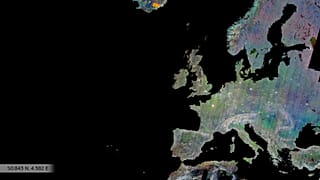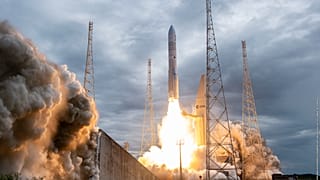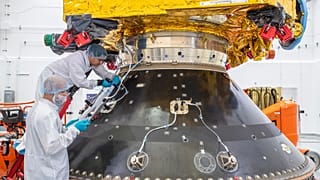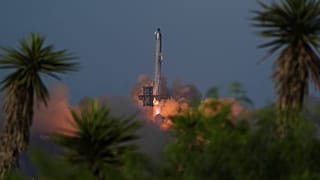
Europe took another step towards cementing its position as a global leader in space-based climate monitoring, with the successful launch of its Ariane 6 rocket carrying a new weather and climate satellite into orbit.
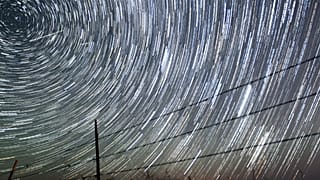
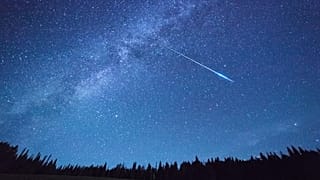
Every August, humanity has a rendezvous with the cosmos. It is an ancient tradition, almost a rite of summer, to go out under the cover of night and wait for a "shooting star". The highest peak of the meteor shower will be on the night of 12 to 13 August.
NASA employees who chose to leave accepted the Trump administration's "deferred resignation" (DRP) option, according to the space agency' news Chief Cheryl Warner.
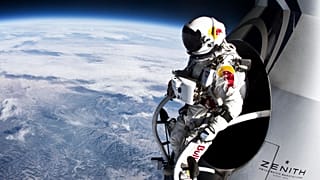
The world of extreme sports is mourning the death of Felix Baumgartner, the Austrian athlete who became the first person to break the sound barrier during a freefall jump in 2012. He died in a paragliding crash along Italy's eastern coast, at the age of 56.
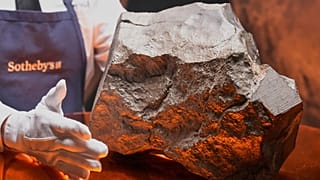
This was the first time such an historical and rare piece was auctioned off. But as popular as the Mars meterorite was, a young dinosaur skeleton triggered a bidding frenzy...
In a cosmic first, scientists identified signs of early planet formation by looking deep into the gas disk around a baby star far outside our solar system.
A revolution is coming to space, according to the European Commission, which has just proposed a new Space Act. Increasing the EU’s competitiveness in the space sector is the goal of the new legislation, but is the bloc willing to invest enough to lead the space race?
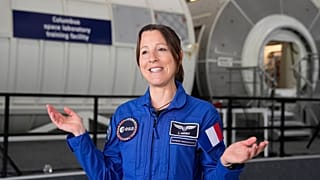
"A pinch of France in space", says the European Space Agency, presenting an unprecedented initiative: when she flies to the ISS in 2026 as part of the "εpsilon" mission, the young French astronaut will take with her signature dishes from the world's most Michelin-starred chef.
The EU Commission is in the final stages of drafting a proposal for the bloc's seven-year budget after 2027, which currently stands at €1.2 trillion. The EU Commissioner for Defence and Space has told Euronews that he is seeking additional funding for his policy areas.
Last week, an Indian, a Hungarian and a Pole have arrived at the International Space Station (ISS) for the first time. Experts say that, like the "Apollo effect" felt after the famous mission, this journey may inspire a new generation of astronauts.
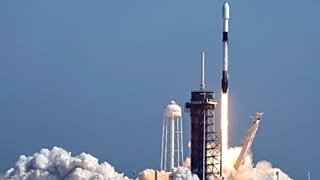
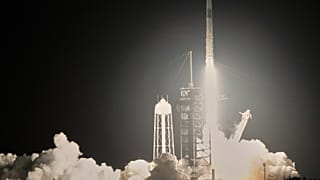
India, Poland and Hungary launched their first astronauts in more than 40 years Wednesday, sending them on a private flight to the International Space Station.
While best seen in the southern hemisphere, up to 15 meteors per hour could be seen in northern regions of the world in favourable conditions on Tuesday.
The threat to cut off Kyiv's access to the Starlink satellite network could have far-reaching consequences for the war. To avoid this, Ukrainian authorities are seeking alternatives from the EU.