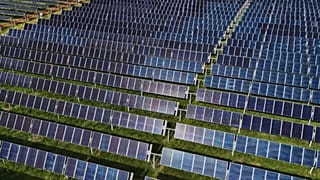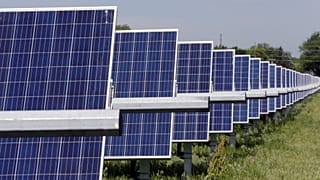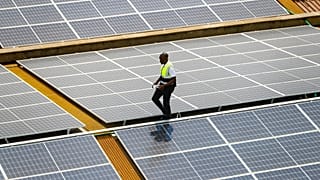
Europe is producing more renewable electricity than ever before, but much of it cannot be used when demand is highest. For that, EU governments have launched a new push to expand energy storage, hoping to make clean power reliable and reduce dependence on fossil fuels.
As the EU plans to ban Chinese power inverters from EU-funded projects over cybersecurity fears, industry and investors are warning that European supply can't yet replace Chinese suppliers any time soon.
Unsightly for some, solar panels are now being disguised and designed as ancient Roman tiles to blend into historic city skylines. From Italy to Portugal, Pompeii and Évora are proving that heritage preservation and sustainability can go hand in hand.
Brussels moves to ban EU funding for clean energy projects that use solar and battery inverters from “high-risk countries”, namely China. Now, manufacturers must rely on European alternatives, which risks increasing European energy bills and production costs.
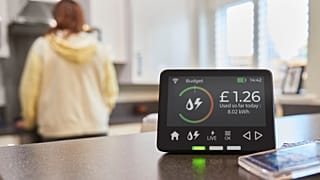
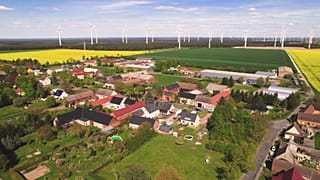
When the Hormuz crisis sent energy prices up across Europe, most households had little choice but to absorb the shock. The residents of Feldheim, a small village in eastern Germany, barely noticed. They pay just 12 cents per kilowatt-hour for electricity.
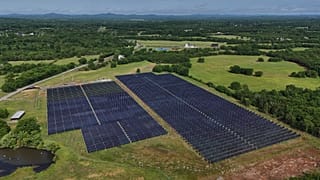
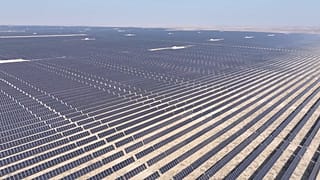
Authorities in Uzbekistan say 5,600 megawatts of solar and wind capacity have already been added to the national grid through international partnerships. New investments now focus on energy storage, AI infrastructure, and large-scale data centres linked to the energy transition.
Beijing released a statement on Monday attacking the EU’s strategy to supercharge local industry, arguing that the European preference creates investment barriers and discrimination – and that countermeasures could follow.