




The Dialogue
Azzam Al Mannai, the photographer connecting people to nature
In partnership with Media City
How do we reconnect ourselves with the essence of nature? How do we celebrate its beauty in our daily life? These are the key messages behind the work of the Qatari photographer Azzam Al Mannai. His magnificent pictures of whale sharks and wildlife are renowned around the world.
 ADVERTISEMENT

Smart Regions
ECOMARE: a European project promoting marine biodiversity
In partnership with the European Commission
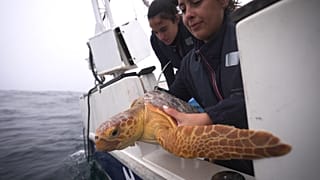
There are two ECOMARE centres -The CPRAM hospital is open 24 hours a day, all year round and there is the CEPAM research centre, promoted by the University of Aveiro, which is open to the public on the third Wednesday of each month.

Ocean
Saving Mediterranean turtles and dolphins, one life at a time
In partnership with the European Commission
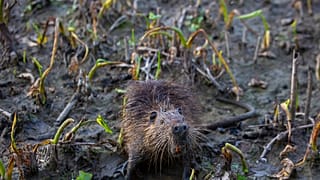
Sea turtles and dolphins are protected species, yet they remain under threat. "Ocean" travels to Greece and Italy to meet activists and volunteers who work tirelessly to save these animal lives.
Ocean
Interview: Saving sea turtles in Greece
In partnership with the European Commission
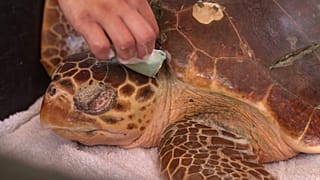
Sea turtles are one of a number of slow-growing and long-living marine species whose survival is steadily being threatened. Since 1983, the Greek non-profit organisation ARCHELON has been working hard to help these animals. In Glyfada, we spoke with ARCHELON's Eirini Kasimati.
Qatar 365
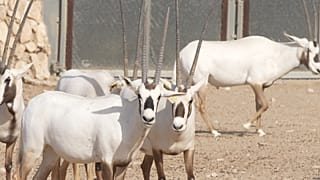
Giant Pandas and the Arabian oryx finding sanctuary in Doha
In partnership with Media City
Qatar, a nation known for its stunning architecture and rich cultural heritage, is also making strides in the field of wildlife conservation. The country is demonstrating an unwavering commitment to preserve vulnerable animal species, including the Arabian oryx and, most recently, giant pandas.



Ocean
"When an ecosystem is disturbed, it gets unbalanced."
In partnership with the European Commission
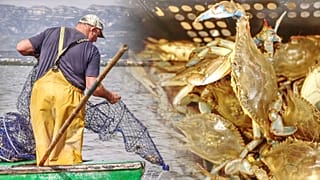
Hundreds of non-indigenous species have invaded the Mediterranean Sea over the past few decades. Ocean speaks to Professor Costas Batargias from the University of Patras about the reasons behind this rising number of non-native species.