






























NASA has unveiled an ambitious plan to turn the Moon into a long-term human outpost, with the first robotic missions targeting 2026.
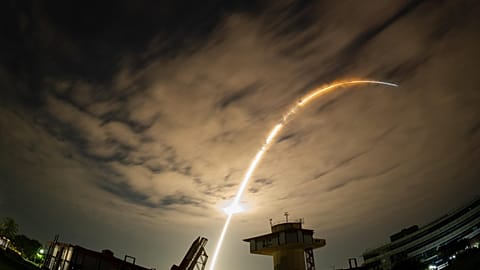
Less than two months after the record-breaking Artemis II mission, NASA has revealed new details about its plan to build a long-term human presence on the Moon.
 ADVERTISEMENT
ADVERTISEMENT
ADVERTISEMENT
The agency says it is already ordering landers, rovers and drones for the first phase of what it calls “Moon Base” - a programme designed to support astronauts living and working on the lunar surface for extended periods.
Here's everything you need to know about NASA's announcements.
What is NASA’s Moon Base plan?
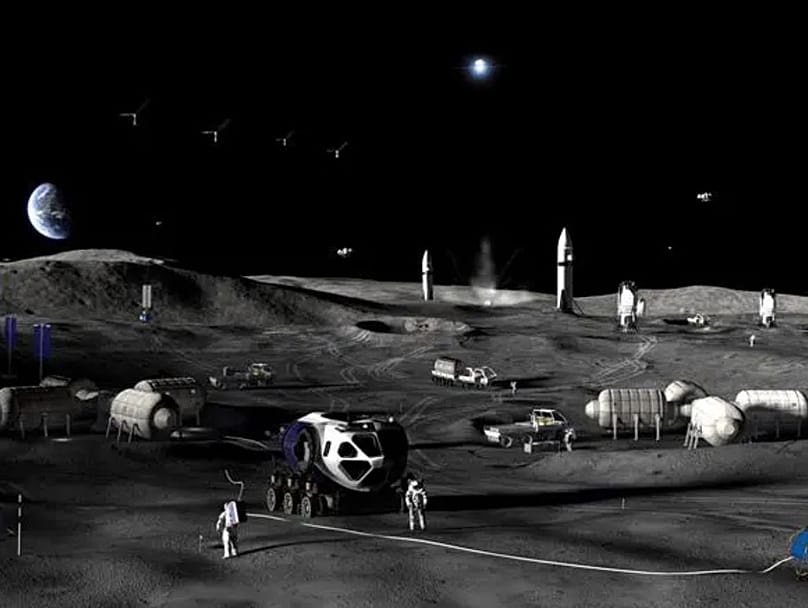
NASA wants to build a permanent lunar base near the Moon’s south pole as part of its Artemis programme.
The project will happen in multiple phases over the next decade, starting with robotic cargo missions before astronauts arrive later this decade.
NASA Administrator Jared Isaacman said the agency is already planning "three moon base missions" with more to come. "These represent the first of more than a dozen missions we expect to announce," he said.

The ultimate goal is to create a long-term human presence on the Moon while testing the technology needed for potential future missions to Mars.
NASA Deputy Associate Administrator Lori Glaze said the lunar base would support "long duration stays, expanded robotic and human capabilities, and an enduring presence on the lunar surface".
Where will the base be built?
The first missions will target the Moon's south pole, particularly a strategic area called the Shackleton Connecting Ridge.
Scientists believe the region could contain water ice trapped in permanently shadowed craters - an incredibly valuable resource that future astronauts could use for drinking water, oxygen and rocket fuel.
The first phase of the Moon Base plans focuses on robotic missions. Blue Origin, the company founded by billionaire entrepreneur Jeff Bezos, will send its Mark 1 Endurance Lander to the Moon no earlier than autumn 2026, delivering cargo and scientific payloads.
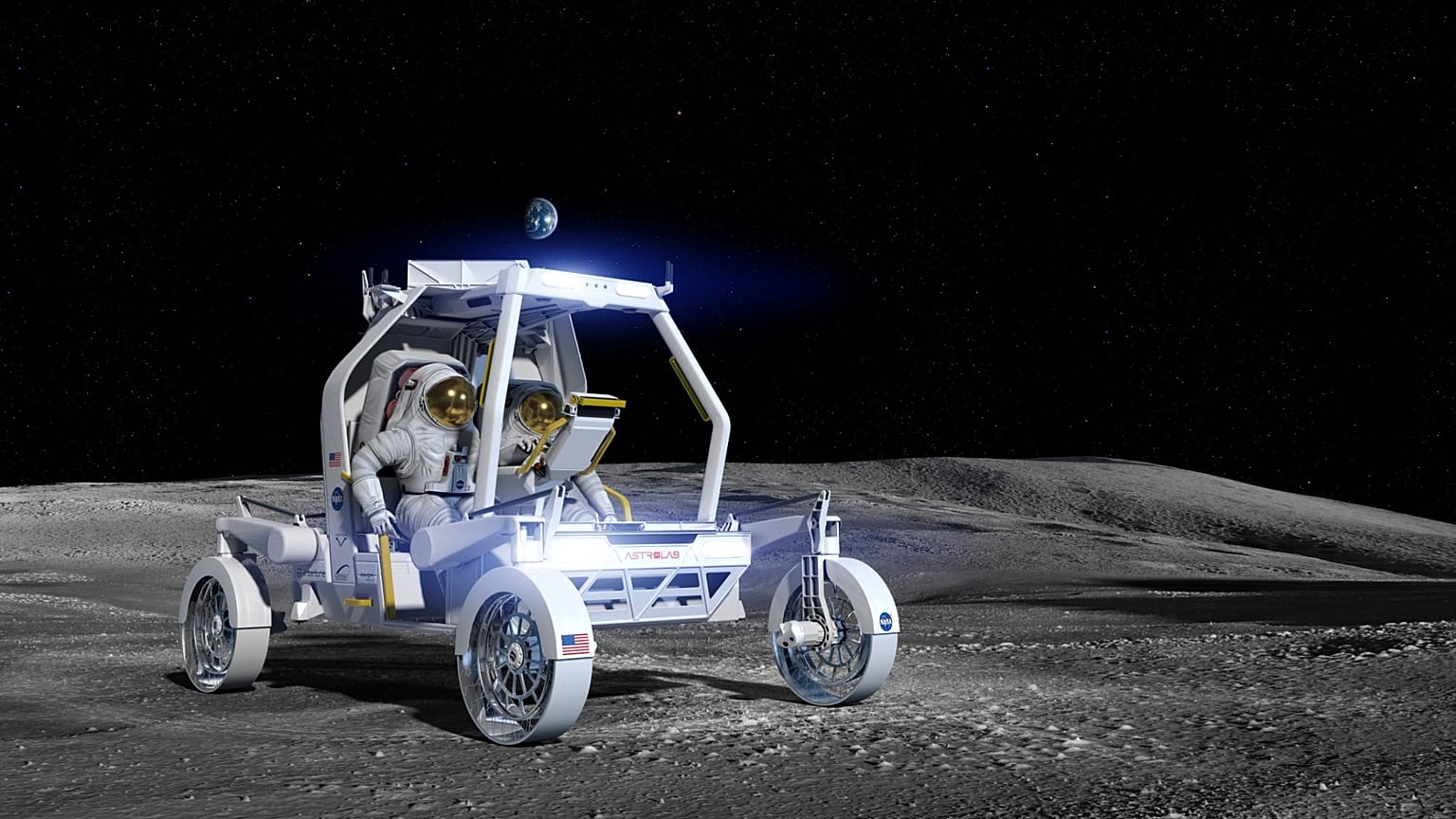
A second mission will use an Astrobotic Griffin lander to transport more than 500 kilograms of equipment, including Astrolab’s FLEX rover. NASA says this will be the "largest commercial payload delivered to the lunar surface ever".
A third mission will focus on science experiments selected through NASA's PRISM initiative.
When will astronauts return to the Moon?
NASA is currently targeting Artemis IIIfor mid-2027.
That mission will test docking systems between NASA’s Orion spacecraft and lunar landers developed by Blue Origin and SpaceX.
After Artemis III, NASA said it plans to send one mission to the Moon every year. Artemis IV, set for early 2028, will see astronauts transfer from Orion to a commercial lunar lander that will bring them to the surface.
“For those waiting patiently, the grand return is close at hand and we will not slow down,” Isaacman said. “We are really just getting started.”
What will astronauts actually do there?
Initially, astronauts are expected to stay for short missions while testing rovers, habitats and surface operations. Later phases could include pressurised vehicles that astronauts can live and travel in while exploring the lunar surface.
NASA Moon Base Program Executive Carlos Garcia-Galan said astronauts could “hop on the Pressurised Rover and basically work and explore the Moon”.
Will people live on the Moon permanently?
Eventually, that is NASA's goal. The agency says the second phase of the project - expected between 2029 and the early 2030s - will begin building permanent infrastructure like power systems and habitation modules.
"And then eventually," Garcia-Galan said, "we’ll be able to say, hey, we’re permanently here and we’re not giving it up."