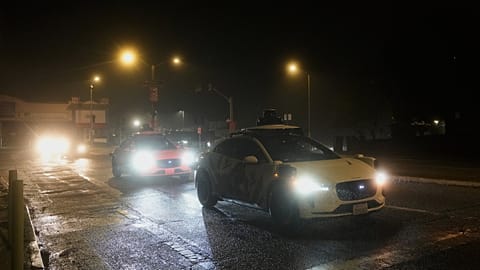

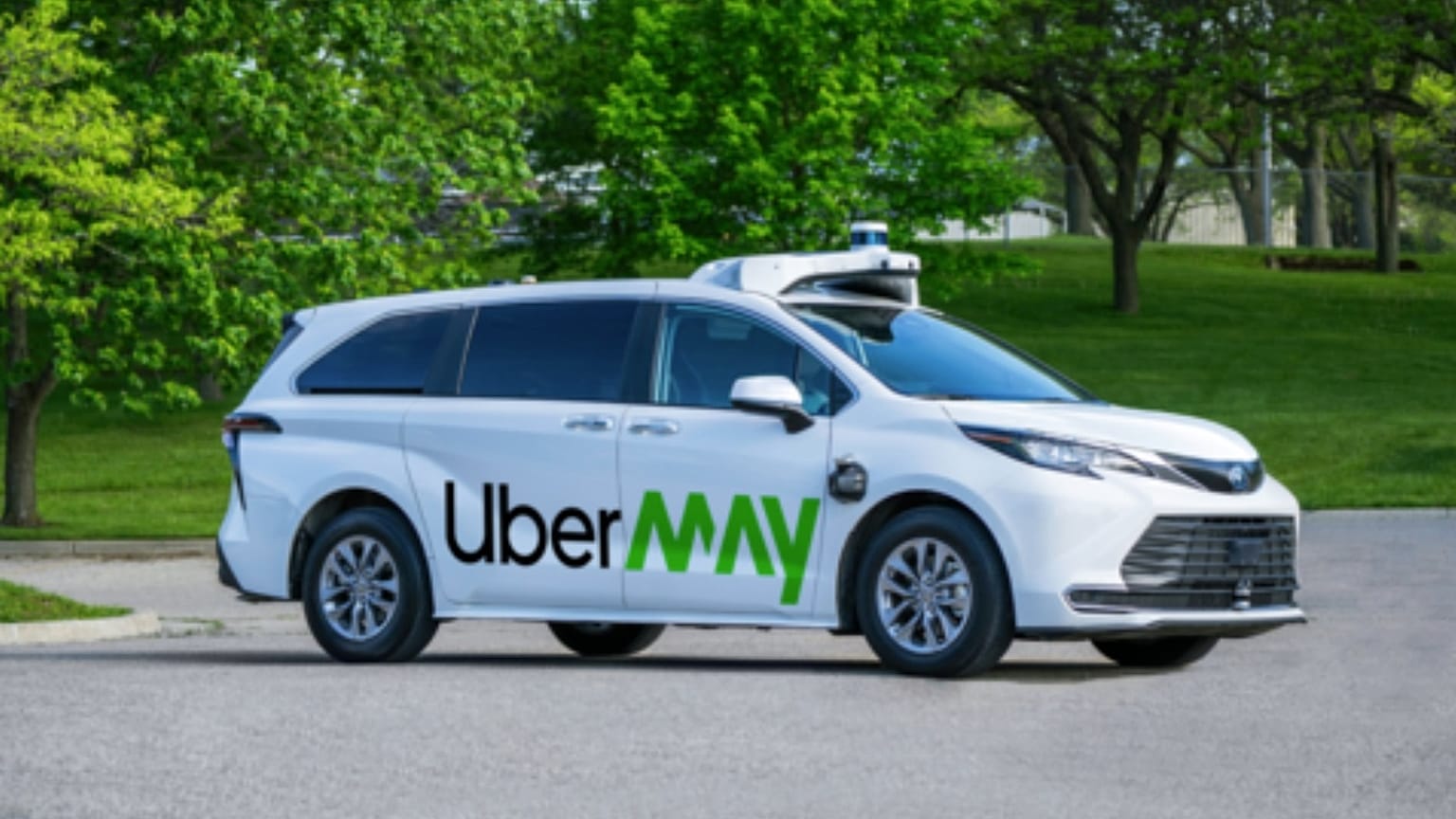













Uber will deploy autonomous vehicles in Madrid in 2026, making the Spanish capital one of the first European cities with operational driverless taxis.
Madrid could join other European capitals in launching driverless taxis on the road this year.
 ADVERTISEMENT
ADVERTISEMENT
ADVERTISEMENT
Uber announced on Wednesday that it will deploy autonomous vehicles Spanish capital before the end of 2026, in a step that marks a turning point in urban mobility.
The company is already in talks with the Madrid authorities to define the regulatory and operational framework for the service. The aim is for users to be able to request a self-driving car from the app, without anyone at the wheel.
From the experiment to the street
So-called robotaxis are already operating in several cities around the world, but their arrival in Madrid represents a qualitative leap for the Spanish market. The vehicles will be equipped with sensors, cameras and radars capable of analysing the environment in real time, detecting pedestrians and reacting to unforeseen events with artificial intelligence systems.
Uber has not yet detailed in which areas they will start operating or whether there will be safety drivers in the first phases. What is clear is that the rollout will be progressive and under regulatory supervision. The company has also announced that robotaxis will be deployed in London and Los Angeles.
A global race for autonomous driving
The move is part of the company's broader strategy to expand autonomous mobility in several international cities this year. The race to lead in driverless transport has intensified, with technology companies and manufacturers investing billions in development and testing.
For Uber, landing in Madrid is key. Spain is a rapidly expanding market for Uber, and the Spanish capital offers a complex and ideal urban environment in which to test the technology. In 2025, Uber had a 50 percent higher turnover in the Spanish market.
Revolution or challenge?
The arrival of autonomous vehicles raises questions: will they reduce accidents**,** will they be more efficient and sustainable, and how will they affect employment in the transport sector?
It also raises regulatory and social acceptance challenges. Driving without a human steering wheel still raises doubts among some of the population, especially with regard to safety.
What seems indisputable is that the urban mobility model is changing. And Madrid could be on the verge of a scene that until recently seemed straight out of science fiction: ordering a car from your mobile phone and having it arrive without a driver.