

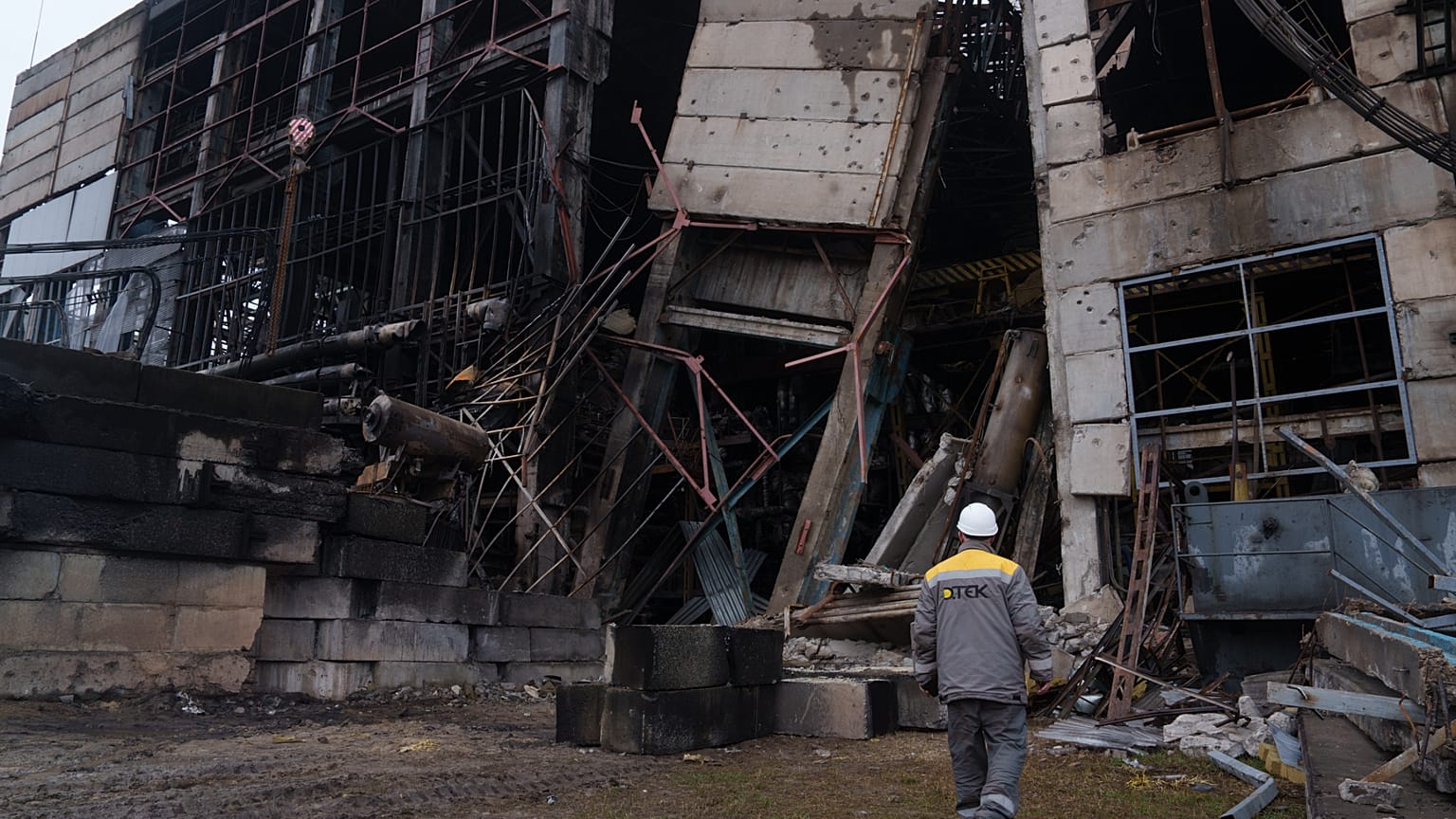













The lawsuits argue that the tech companies ‘weak compliance protocols and limited surveillance of their supply chains' led to their products being used by the Russians.
American and Ukrainian law firms filed five lawsuits against American technology companies, alleging their hardware was found in Russian and Iranian drones and missile systems used against civilians in Ukraine - despite strict US export controls.
 ADVERTISEMENT
ADVERTISEMENT
ADVERTISEMENT
Intel, Advanced Micro Devices (AMD), Mouser Electronics, and Texas Instruments allegedly indirectly provided the chip technology used in Russian and Iranian weapons systems deployed by Russian forces. These include systems such as the Shahed 136 and missiles Kh-101 and Iskander-M.
While the companies are not accused of directly supplying Russian forces with their technology, the lawsuits argue their products reached Moscow through “weak compliance protocols … and limited surveillance of their supply chains”.
“We know what kinds of drones with which kinds of chips, guidance technologies are in them,” said Mikal Watts, founder of the Texas-based Watts Law Firm, in a video statement.
“What we’ve learned is that there are a number of American companies … who have been supplying those drone guidance chips knowing through Iranian and Chinese middlemen that they would end up in Moscow and be used by [President] Vladimir Putin,” he added.
What are the cases about?
Under Texas law, companies are forced to act with reasonable care and to prevent foreseeable harm.
In a statement, Watts Law Firm argues the companies did not adequately assess high-risk customers or respond to government advisories and public reporting that warned their products were being diverted to Russian military use.
The documents argue that federal agencies, journalists, and international watchdogs documented how their processing chips were being rerouted through vulnerable distribution channels but state sales continued despite these warnings.
One example cited includes a 2023 report from the Kyiv School of Economics and the International Working Group on Russian Sanctions, which identifies 174 foreign components in Russian military drones. Of those, 36 were attributed to Texas Instruments and the Xilinx chips manufactured by AMD.
“[The companies] continued doing business with distributors who had been publicly linked to sanctioned actors,” reads the statement. “The indicators of diversion were clear. They proceeded anyway.”
The lawsuit also argues that the companies violated American export control laws that “stop exactly this kind of diversion”.
Watts said he hopes the lawsuit will stop or deter the export of these technologies and will give drone strike victims and their families some compensation for their injuries or losses.
Kevin Hess, senior vice-president of marketing at Mouser Electronics, told Euronews Next that they “deeply respect the legal process and will respond to this matter in court, versus the media”.
Intel told Euronews Next in a statement that the company "does not conduct business in Russia and promptly suspended all shipments to customers in both Russia and Belarus following the outbreak of war".
The company said it operates "in strict accordance with export laws, sanctions and regulations in the US and every market in which we operate, and we hold our suppliers, customers, and distributors accountable to these same standards.”
Euronews Next contacted the other companies named in the lawsuits but did not receive an immediate reply.