














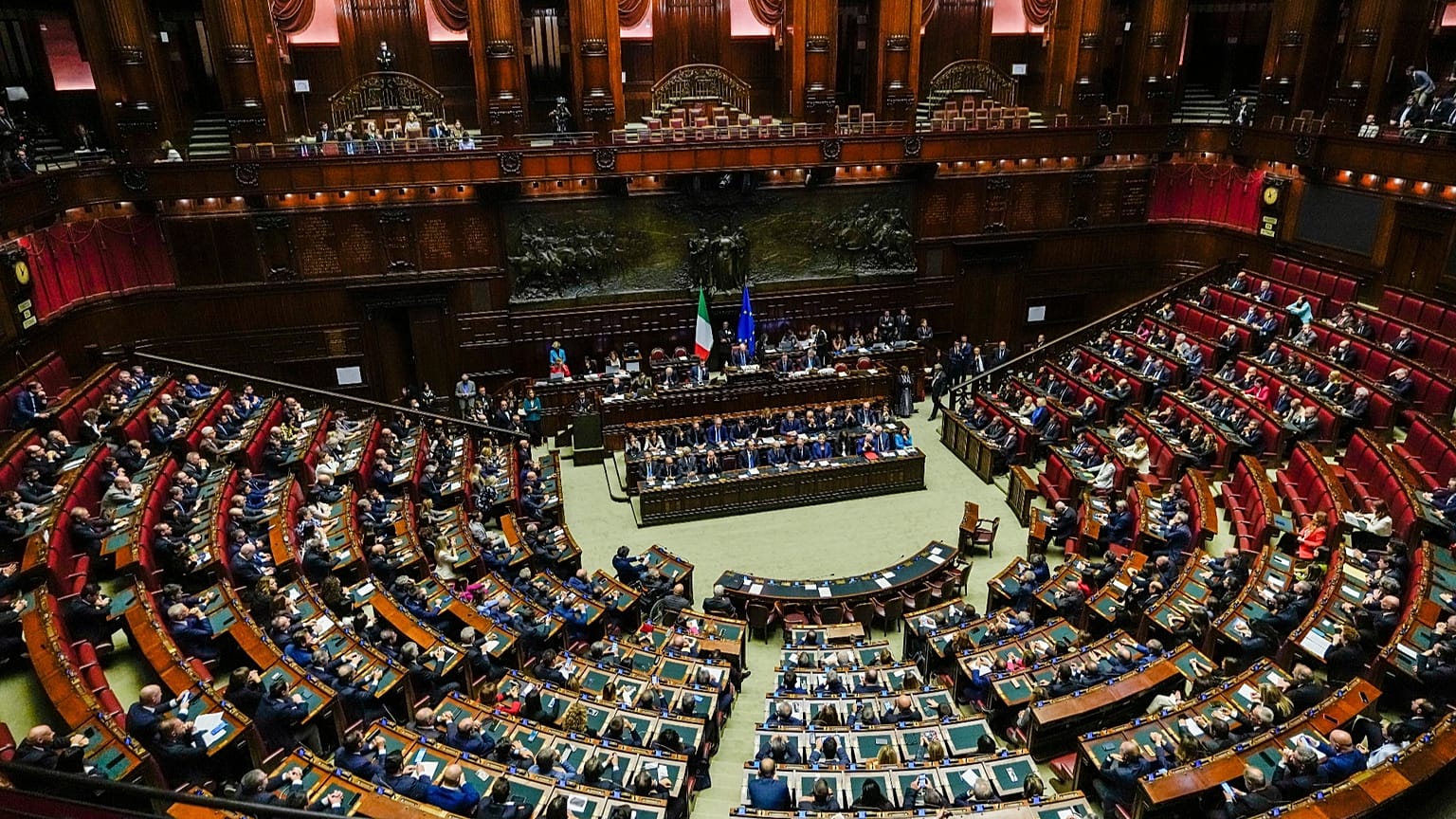













Surveys show that the cost of living, a deteriorating public health system, security and immigration are among Italians' top concerns when they head to the polls.
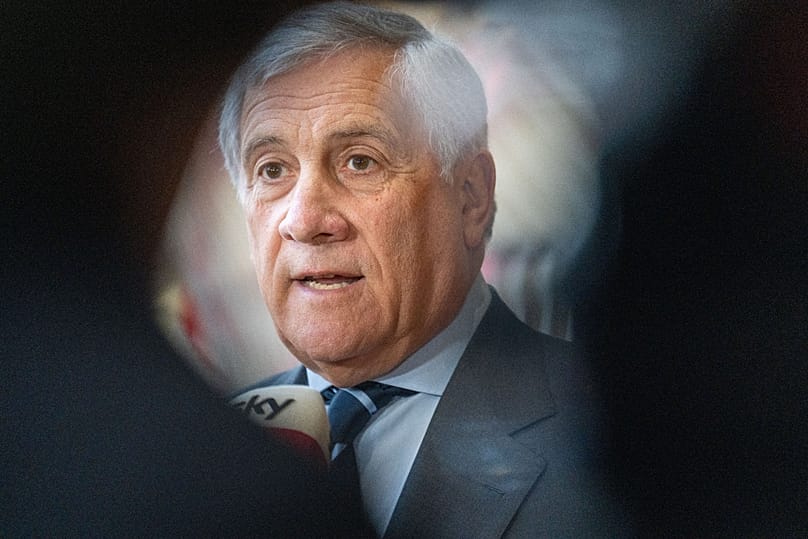
Russia may attempt to influence next year's general election in Italy, Foreign Minister Antonio Tajani said on Wednesday, calling it an "issue that concerns the entire European Union."
 ADVERTISEMENT
ADVERTISEMENT
ADVERTISEMENT
"It cannot be ruled out that there may be attempts to influence the elections in the countries where the vote is being held," said Tajani after arriving for an informal EU foreign ministers' meeting in Wicklow, Ireland.
"I do not rule out attempts by the Russian Federation to interfere in the democratic life of European Union countries, interfering in free democratic elections held in our countries, attempting to influence the will of the people with this reprehensible activity," he said.
Trojan Horse
Tajani also touched on an article in the Financial Times (FT) dailywhich called the leader of Italy's new right-wing National Future party Roberto Vannacci "a Trojan horse for Russia."
The foreign minister dismissed the newspaper report but left some doubt on whether the claim was absolutely false.
"The Financial Times can write what it wants. You always then have to prove what you say. I hope this is absolutely false," Tajani said.
According to the FT, Vannacci is seeking to turn the sympathy for Moscow, still widespread in some parts of the Italian public, into political support, above all by playing on the economic fallout of the war in Ukraine and associated sanctions.
The article cites the views of analysts who suspect that "there is Russian influence" behind the former army general's political rise.
"His Kremlin-friendly positions risk complicating Meloni's re-election campaign, tapping into the deep currents of pacifism, economic discontent and sympathy for Moscow that exist in Italy," the paper wrote.
Federov's appointment
Currently, the back-and-forth between Rome and Moscow is becoming more frequent and more barbed.
On Monday, Defence Minister Guido Crosetto responded directly to the Russian foreign ministry spokesperson, Maria Zakharova, who described as "ridiculous" the appointment of former Ukrainian Defence Minister Mykhailo Fedorov as an adviser to Italy's defence ministry.
"I understand that they would prefer decisions for Italy to be taken by someone who checks in with Moscow first," Crosetto said.
"For now, that is still not the case and we reason by thinking only of Rome and not Moscow, Kyiv or Washington."
It is not the first time the two have resorted to hyperbole in their war of words. A month ago, when rumours were swirling about Fedorov's then unconfirmed advisory role, Zakharova said sarcastically: "It is a pity that Osama bin Laden did not live long enough to see it: he would have been an excellent adviser to the Italian government."