
















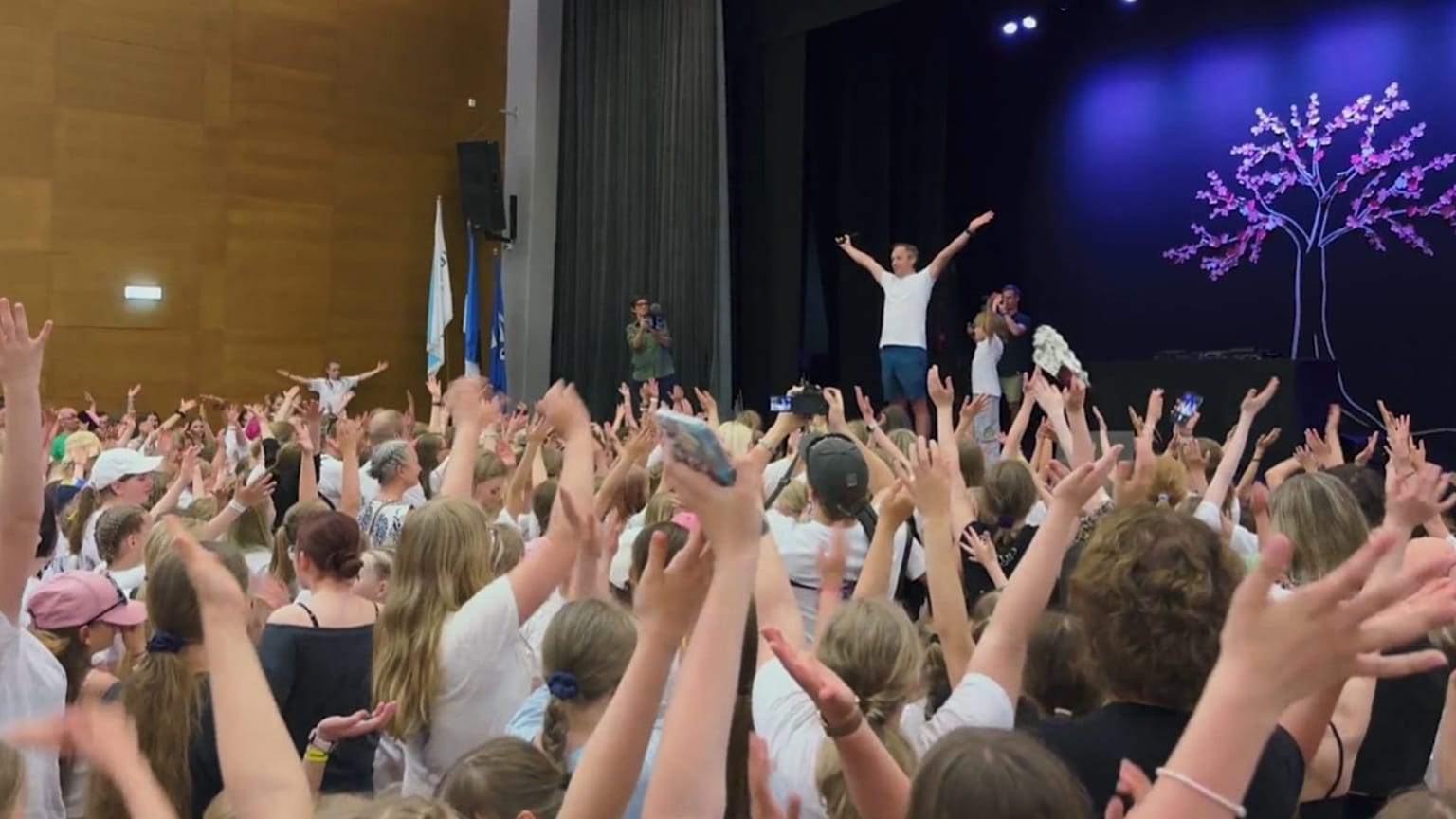














"Is everyone ready for camp?" Hundreds of young girls cheered back with excitement as Taavi Kotka, smiling from the stage, opened a unique summer camp held at the Viimsi School outside Tallinn.
Over three days, classrooms and playgrounds were turned into robotics labs, drone-testing grounds and artificial intelligence workshops. Valérie Gauriat joined in.
 ADVERTISEMENT
ADVERTISEMENT
ADVERTISEMENT
The gathering is the highlight of yearly activities led by the HK Unicorn Squad. An NGO founded in 2018 by Taavi Kotka, one of the architects of Estonia's digital transformation, and his wife Kerstin.
The organization provides free technology education to girls across the country, aiming to attract more women into science and engineering.
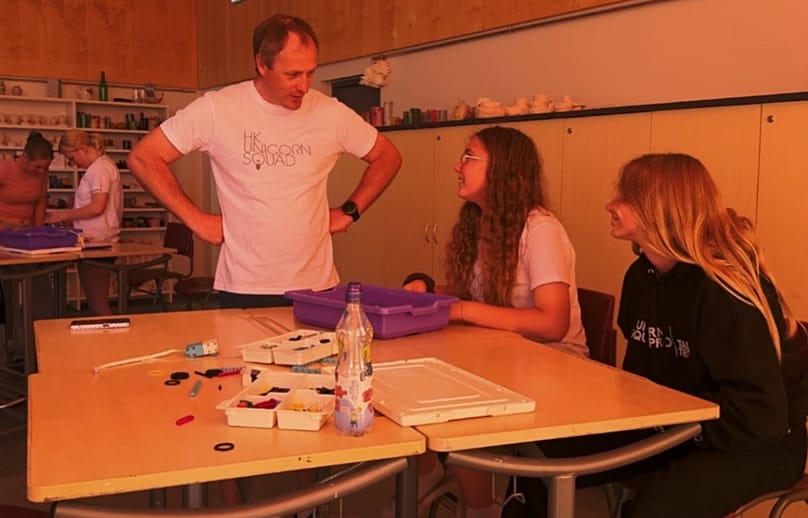
Leading a workshop on robotics, Taavi Kotka watches on, giving occasional advice, as groups of teenagers are focused on building and programming toy-like robots.
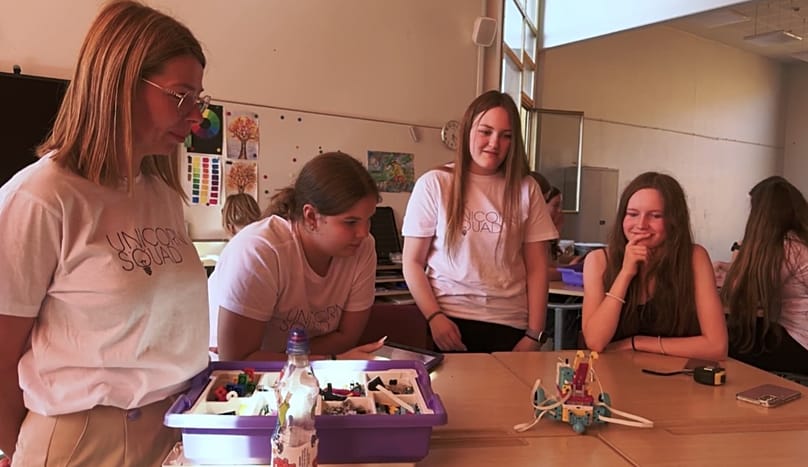
"They have to figure it out by themselves, with zero clue, in 30 minutes. It’s solvable, I did it in 40 minutes”, he jokes.
The man is known for much broader achievements.
A tech entrepreneur who helped build the country's pioneering digital state as its first Chief Information Officer, Taavi Kotka is now advising the government on its national AI strategy.
Bridging the gender gap in tech: a national issue
Bringing positive change through innovation is a key motivation for the engineer, also the CEO of KOOS.io, a business development startup.
“Solving country level problems is an interesting challenge for me. Getting more girls into engineering, is a national issue. Engineers don't just solve mechanical problems, we can also fix social problems_.”_
The HK Unicorn Squad project was born close to home.
When Taavi Kotka’s daughter Helena and the only other in her primary school's robotics club got expelled when the group was reduced, he decided to create a space designed specifically for girls.
Helena has completed the programme herself and now teaches the younger generation of Unicorn Squad girls.
Girl power can make Estonia more competitive
She plans to study medicine. “Every sector needs more and more technology” says Helena, while teaching a group of girls how to fly drones.
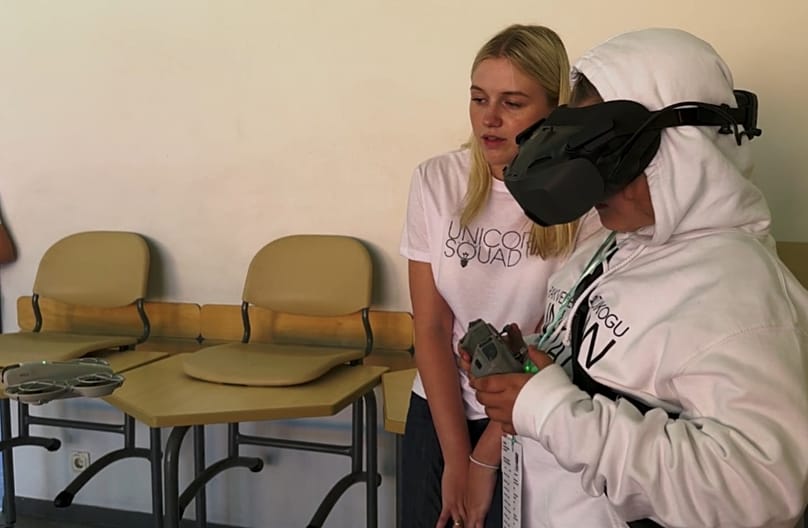
“If I were to become a surgeon, more and more operations are being done with the help of robots, or with AI. I'll have an advantage over other medical students who haven't had as much exposure to such things**.”**
Around 5,000 girls have completed the Unicorn Squad programme so far, roughly one out of ten Estonian girls aged 8 to 14.
The impact will only be measurable in a decade says Taavi Kotka.
In the meantime, he and the HK Unicorn Squad leaders’ aim is for “every Estonian child to learn modern technology”, he says. “It has to become a government project."
Invited to speak at his daughter Helena's high-school graduation, in between camp activities, Taavi Kotka summarises his underlying ambitions.
"You must work hard”, he tells the students. "Estonia is on the periphery, but we are not a backwater. From here, we can take on the world."