

















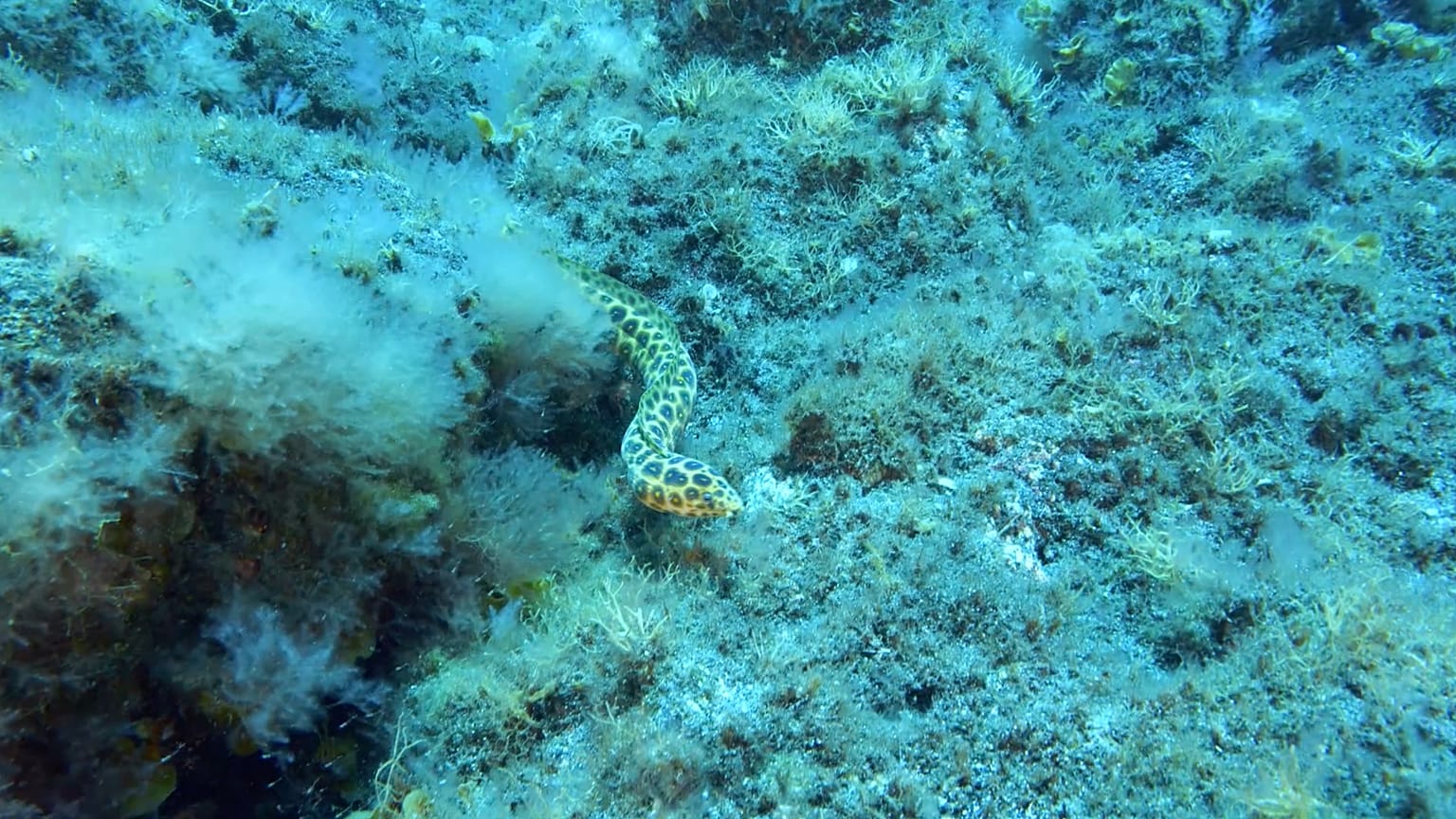














The more eyes there are watching the sea, the more we learn about it. RedPROMAR is a citizen science project created by two biologist friends, Rogelio Herrera and Leopoldo Moro. Thanks to photographs shared online, scientists are learning a great deal about exotic and invasive species.
But what sets them apart, and what can be done to limit their impact on the ecosystem? Leopoldo Moro, a biodiversity specialist for the Canary Islands Government and a supporter of RedPROMAR explains that the project was launched in 2015, but the idea emerged four years earlier. “Behind the RedPROMAR app is a huge team of validators and loads of active participants. We’re the ones steering the ship, but the strength of the vessel relies on all of our collective effort. Rogelio Herrera was the driving force behind many initiatives, one of which was that first platform for detecting and reporting jellyfish.”
 ADVERTISEMENT
ADVERTISEMENT
ADVERTISEMENT
Seawater does not cool down in winter, and there is a greater influx of tropical species
They are monitoring one indicator: the rise in surface water temperatures in the Canary Islands and Macaronesia. Leopoldo Moro refers to AMOC, the Atlantic Ocean circulation system, and the impact of climate change on its functioning. The water here doesn’t get very cold in winter and migrating tropical species are establishing themselves at an astonishing rate.
He claims that, thanks to the big data they have obtained, they can draw conclusions that scientists were previously unable to reach when they had limited data.
“We can take action against invasive alien species, but not against neo-colonising species”
Leopoldo Moro distinguishes between exotic, invasive and neo-colonising species. For a species to be considered exotic, it must have been introduced by humans: its arrival is a direct result of human activity. It is only considered invasive if, upon arrival, it spreads rapidly and affects ecosystems. If a species that occurs naturally, without human intervention, in Cape Verde reaches the Canary Islands and starts to proliferate on a massive scale, it is not considered either exotic or invasive; rather, it is a ‘colonising cousin’ or a ‘neo-coloniser’. It’s something we’ll never be able to control. “What we need to avoid is human activity causing the transfer of fauna or flora from one place to another,” he emphasises, adding that exotic species arrive in water tanks or on the hulls of ships. If they become established, they have an impact on biodiversity and the economy.
Leopoldo Moro invites us to observe the creatures that live in the blue of the sea, equipped with a mask, snorkel and flippers. “You only protect what you love,” he says, recalling the words of Commander Jacques-Yves Cousteau.