



















Visiting factories and companies is a new trend sweeping across Europe. City are coming to the fore thanks to industrial tourism, which seeks to revitalise the tourist offer in the local area. But what is it ? An industrial tourism manager in the French region of Auvergne-Rhône-Alpes, explains.
Industrial tourism is far from urban centres and offers a year-round experience, according to Elisabetta Schena, project manager for industrial tourism in the Auvergne-Rhône-Alpes region and coordinator of IndusTour “There is no definition of industrial tourism, although there are commonalities," among the regions developing this project at European level, she says. All of the regions taking part in the project have active or abandoned company visits as well as craft activities , in order to showcase a region's skills, its historical industrial heritage and its impact on the past, present and future. But the recipe is not new, Schena says, it dates back to the 1970s.
 ADVERTISEMENT
ADVERTISEMENT
ADVERTISEMENT
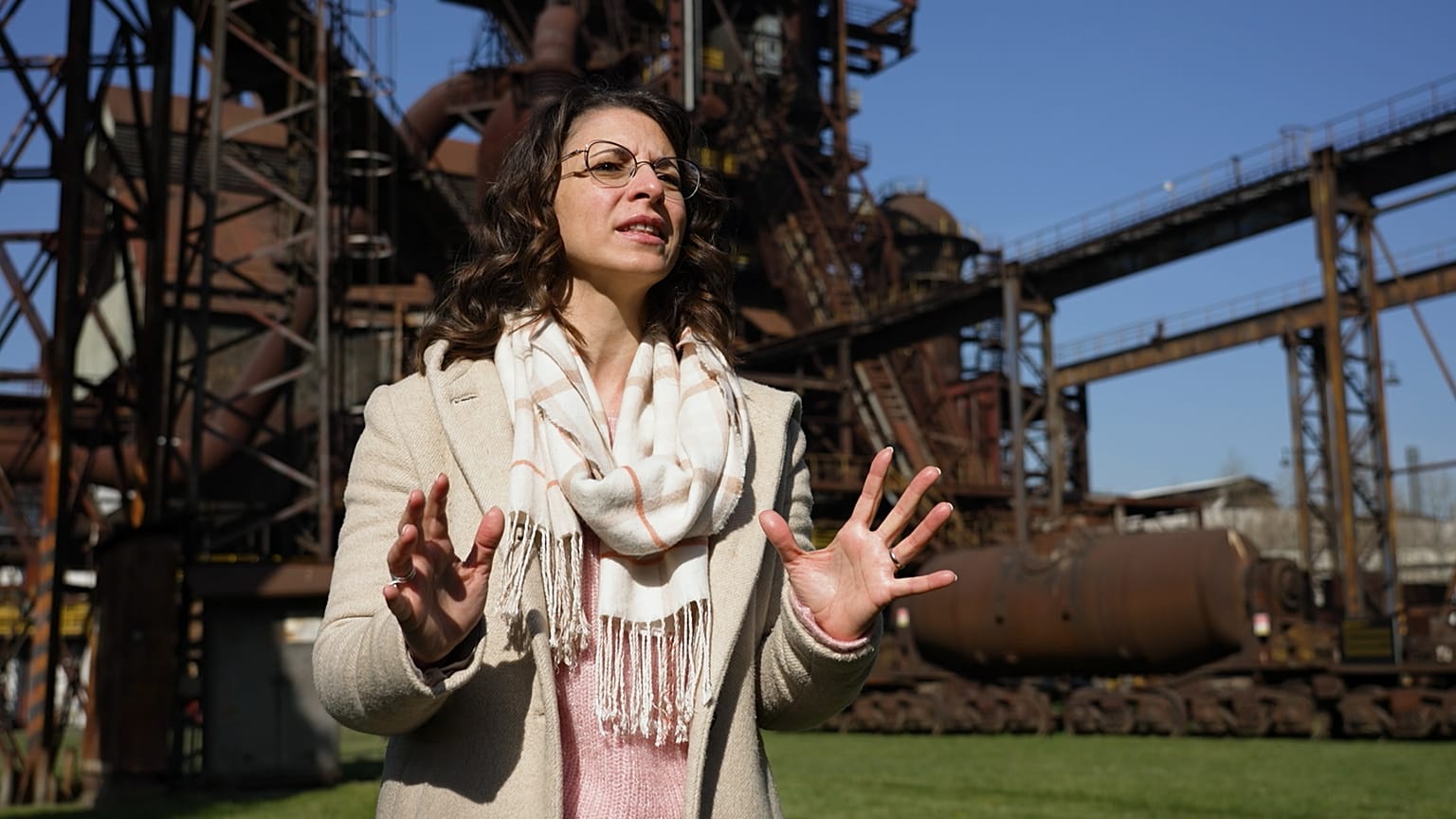
Taking the Czech site of Dolní Víktovice as an example, Elisabetta Schena says, "For sites like this one, it is essential to create surrounding infrastructures, hotels, and everything that can enhance visitor comfort. This is why it is so important to involve public decision-makers in our project, as they could influence regional, territorial, and local policies to effectively move things forward." This, she adds, is "one of the particularities of this project".
At a time when debate is growing on the effects of globalisation and re-industrialisation in a sustainable way, industrial tourism, says Elisabetta Schena, can respond to the demands of visitors in search of authentic and atypical experiences. “What is important for tourists today is to have an experience. This is what will bring them back. They are looking for meaning, authenticity, and something they cannot find elsewhere. And industrial tourism perfectly meets this demand, as it allows visitors to explore atypical places and get hands-on experience."
The aim of this project, she concludes, is to enhance industrial heritage and "this industrial archaeology and transform it into a tourist product."