

















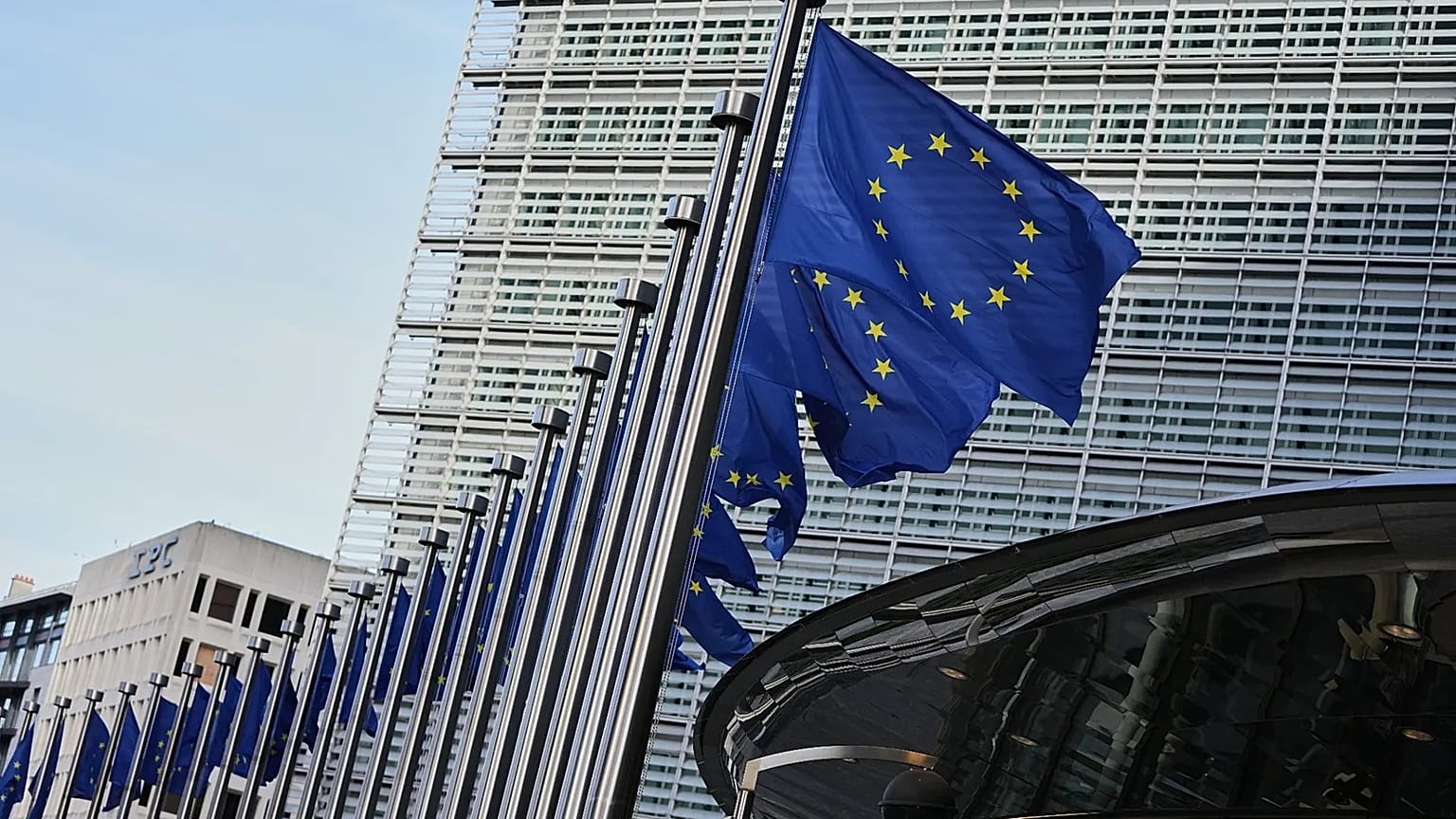













A decade after Brexit, a new survey suggests the vote that split Britain may have helped bring the rest of Europe closer together.
Public support for the European Union has risen significantly across much of Europe since the UK's decision to leave the bloc in 2016, according to a new report from the Pew Research Centre.
 ADVERTISEMENT
ADVERTISEMENT
ADVERTISEMENT
The survey, conducted in eight European countries, found that favourable views of the EU are now higher than they were at the time of the Brexit referendum.
Across the UK and seven EU member states, tracked consistently since 2016, 62% of respondents now have a positive view of the EU, compared with 49% a decade ago.
The findings suggest that rather than triggering a wave of Euroscepticism, Brexit may have ushered in a period of renewed support for European integration.
The survey asked participants, "Tell me if you have a very favourable, somewhat favourable, somewhat unfavourable, or very unfavourable opinion of the European Union?"
Hungary and Poland were surveyed for the first time this year, expanding the pool to 10 countries.
The UK itself has seen one of the most notable shifts. Despite narrowly voting to leave the EU in June 2016, 67% of Britons now view the bloc favourably, while 31% hold an unfavourable opinion.
That compares to 48% who maintained an unfavourable stance toward the EU at the time of the referendum.
The figure places the UK among the most pro-EU countries included in the survey.
A recent YouGov survey in the UK confirmed that there is an increasing majority who would support closer ties with the EU, but 64% of participants would not back rejoining the trading bloc if Britain was forced to adopt the single currency and the Schengen passport-free area rules.
Support for the EU was strongest in Sweden, where 79% of respondents expressed a favourable opinion. Germany followed with 68%, while the Netherlands, Poland and Italy all recorded support levels above 60%.
France remained more divided, with 52% holding positive views, while Greece was the only country surveyed where favourable views failed to reach a majority.
Pew researchers noted that support for the EU rose sharply in the years immediately following the Brexit vote and climbed further after Russia's full-scale invasion of Ukraine in 2022.
The war prompted closer cooperation among European countries on issues ranging from defence and energy security to economic support for Kyiv, developments that may have reinforced public appreciation for the role of the EU.
The survey also highlighted political differences in attitudes towards the bloc.
Respondents who identified with the political left were generally more supportive of the EU than those on the right. However, positive views have increased across much of the political spectrum since 2016.
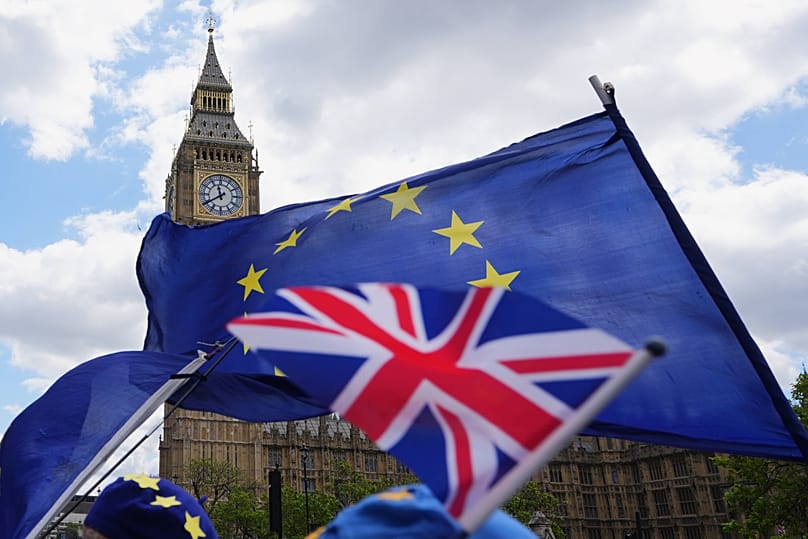
The findings arrive at a time when debates over Europe's future remain central to politics across the continent.
While challenges including migration, economic competitiveness and security continue to test the bloc, the latest data indicates that public confidence in the European project remains considerably stronger than it was when British voters chose to leave the bloc ten years ago.
For policymakers in both Brussels and London, the results suggest that attitudes towards cooperation between the two are more positive at a time when UK Prime Minister Keir Starmer has indicated he wants closer ties with Europe.