





























Europe has been on high alert for weeks after drone flyovers into NATO airspace reached an unprecedented scale last September, prompting leaders to agree to develop a "drone wall" along their borders.
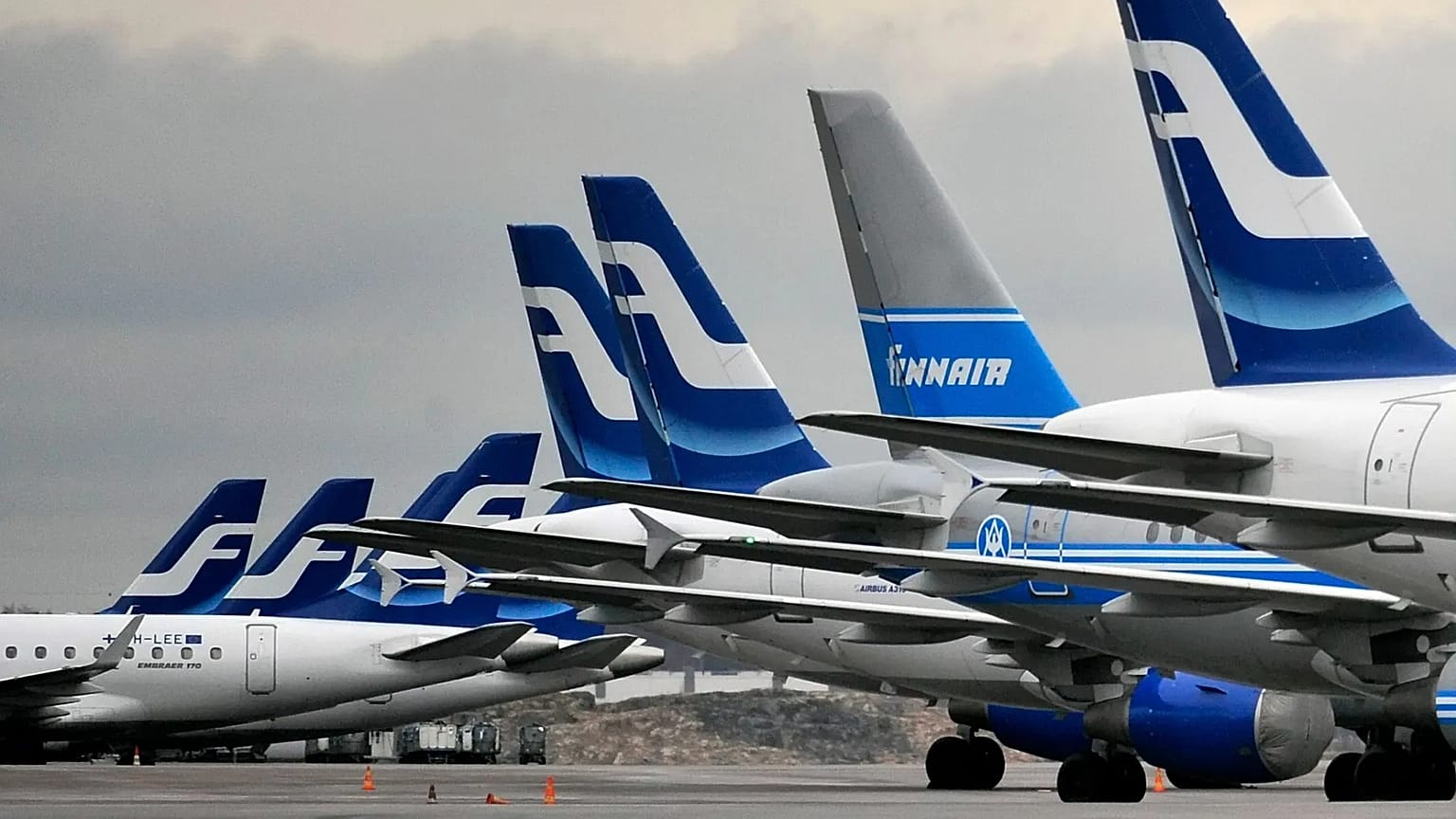
Helsinki Airport resumed normal flight operations on Friday after suspending air traffic for three hours due to a drone warning, officials said.
 ADVERTISEMENT
ADVERTISEMENT
ADVERTISEMENT
The airport suspended air traffic from 4:00 am-7:00 am local time after safety authorities issued a danger alert for the southern Uusimaa region over a potential drone in the area.
"Although flights are operating again, the disruption will cause delays and cancellations on Friday, May 15. Morning delays may also affect departing and arriving flights later in the afternoon," Helsinki Airport said in a statement.
Finnish Prime Minister Petteri Orpo said defence forces intensified surveillance before confirming on X that the "danger in Uusimaa is over," without providing additional information.
Europe as a whole has been on high alert for weeks after drone flyovers into NATO airspace reached an unprecedented scale last September, prompting European leaders to agree to develop a "drone wall" along their borders to better detect, track and intercept drones violating Europe's airspace.
In November, NATO military officials said a new US anti-drone system had been deployed to the alliance’s eastern flank.
And following a violation of Polish airspace, NATO Secretary General Mark Rutte announced the formation of the Eastern Sentry programme, which aims to deter further Russian incursions.
Some European officials described the incidents as Moscow testing NATO’s response, which raised questions about how prepared the alliance is against potential threats from Russia.
The Kremlin has dismissed allegations that Russia is behind some of the unidentified drone flights in Europe as "unfounded."
Meanwhile on Thursday, Latvia's Prime Minister Evika Siliņa announced she would resign following a drone incident, effectively triggering the collapse of the country's governing coalition which has been under strain for months.
"The most important thing for me is the wellbeing of Latvians and the security of our country," she said at a press conference.
"We are fully aware of the times we are all living in. The brutal war waged by Russia in Ukraine has changed the security situation throughout Europe."
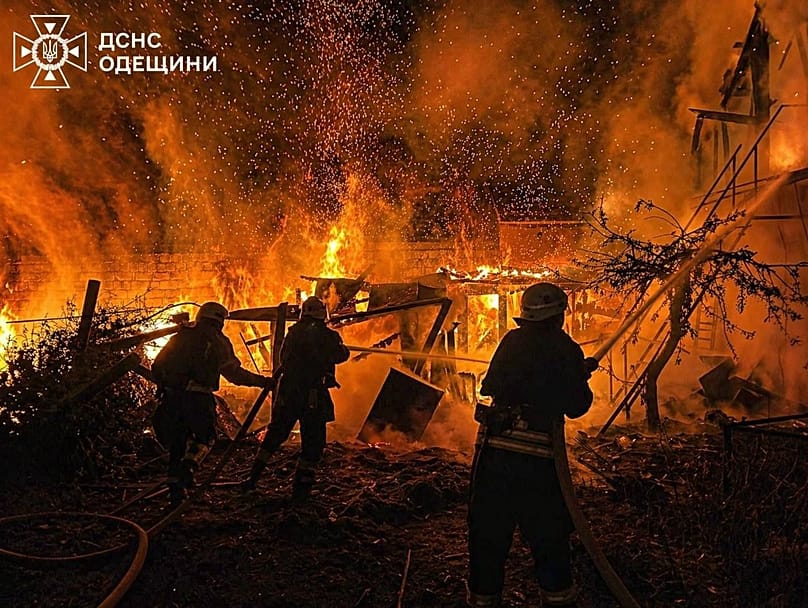
The drones were on an attack mission across the border in Russia and Ukraine said they crashed into Latvian territory on 7 May after being electronically diverted by the Russian military.
One caused a fire at a disused oil storage site in eastern Latvia.
On Sunday, Siliņa sacked her defence minister Andris Spruds over the affair. She said Latvia's anti-drone systems had not been deployed quickly enough to counter the drone intrusions.
Spruds's sacking prompted nine of his allies, fellow members of the left-wing Progressive party, to quit Siliņa's ruling coalition, alleging she had made him a scapegoat.
Spruds formally resigned on Monday and Salina proposed a military officer as his replacement but the Progressive party rejected him.

The drone intrusions have not caused victims but they have exposed weaknesses in the Latvia's air defence system.
Following talks with Latvia's President Edgars Rinkēvičs at a summit in Bucharest on Wednesday, Ukraine's President Volodymyr Zelenskyy said he would send experts to Latvia to help with their air defences.
Ukraine would also work with Latvia "to build a multi-layered air defence system against different types of threats," he said.
Rinkēvičs said a "long-term" air defence accord would be prepared.