















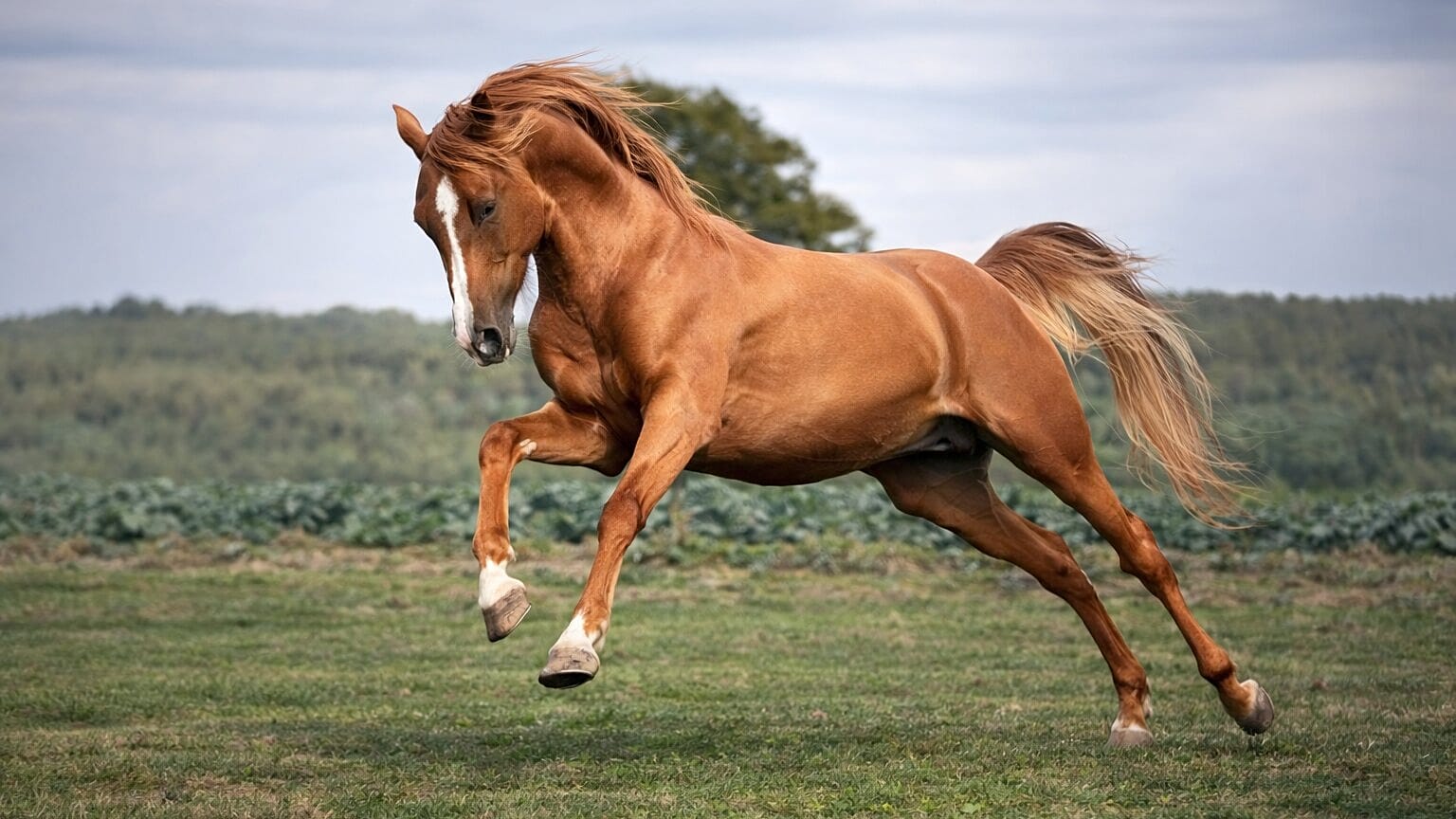













Rare Karabakh horses, prized for their golden coats and stamina, are preserved through joint Azerbaijani and German conservation efforts, safeguarding a centuries-old equestrian heritage.
A centuries-old horse breed from the Caucasus is attracting renewed attention in Europe, as breeders and researchers work to protect a lineage that once came close to disappearing.
 ADVERTISEMENT
ADVERTISEMENT
ADVERTISEMENT
The Karabakh horse is celebrated for its stamina, intelligence, and distinctive golden sheen. Today, conservation efforts in Germany, combined with structured breeding programmes in Azerbaijan, are helping secure the future of this historic breed.
“Collaboration between European equestrian specialists and breeders from the horses’ native region is vital,” says horse trainer Philip Hager, who works with young Karabakh horses in Germany. “The Karabakh is the type of horse that can take you to mountainous terrain and carry you home safely. This is its nature,” he adds.
Born in the mountains
The Karabakh horse evolved over centuries in the mountainous terrain of the Caucasus, where endurance, agility, and sure-footedness were essential for transport, trade, and warfare.
Historical records and equine studies indicate that horses from the Karabakh region were valued in antiquity, and by the 19th century, the breed had gained recognition through exhibitions and cross-breeding influences across Eurasia.
A breed pushed to the brink
The 20th century brought a dramatic decline. Wars, economic disruption, and unmanaged cross-breeding significantly reduced the number of pure-bred Karabakh horses. During the First Nagorno-Karabakh War, key breeding infrastructure, particularly in Aghdam, was destroyed, resulting in the loss of important bloodlines.
According to the Domestic Animal Diversity Information System, maintained by the Food and Agriculture Organization (FAO), the Karabakh horse is considered a breed at risk, with only small and fragmented populations reported.
FAO frameworks emphasize that low population structures require coordinated conservation to prevent genetic erosion. Independent equine research and conservation studies also describe the breed as rare and endangered, with breeding populations maintained in limited numbers at specialized stud farms.
Verena Scholian: a lifetime of dedication
In Germany in 1990, Verena Scholian identified a horse named Inturist as a Karabakh stallion originating from Azerbaijan. She dedicated her work to preserving the breed in Europe.
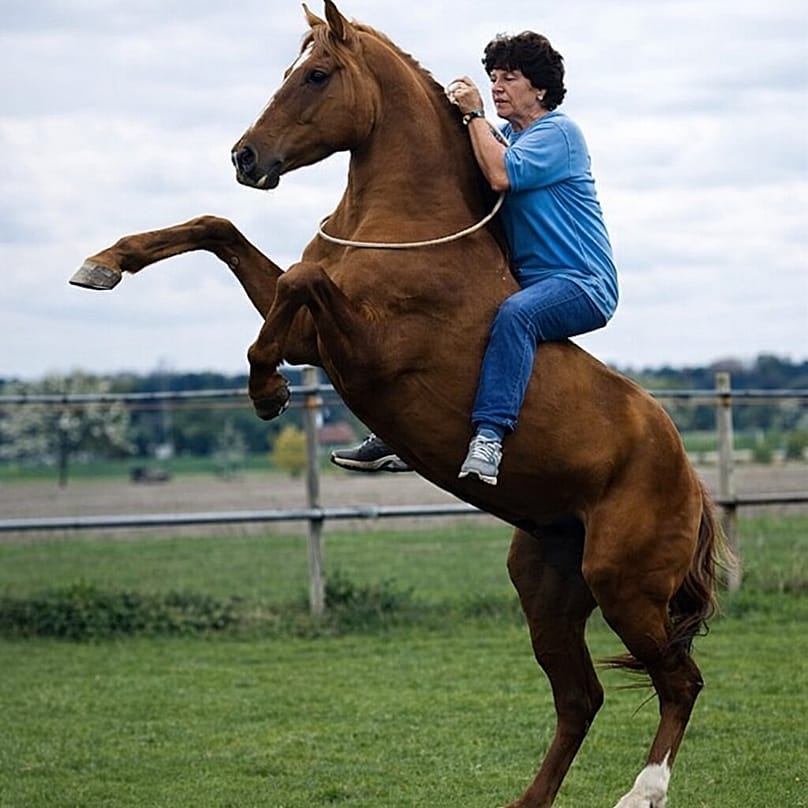
“If we are not careful, the Karabakh breed could be lost and this would be tragic. These horses are truly jewels. Especially, their charisma is what stands out. For example, unlike most other types of horses, I could ride my first Karabakh, Inturist, at night in pitch darkness, and he would take the lead, cool and calmly. I trusted him one hundred percent,” Scholian recalls.
She later founded the association IG Karabakh and Eurasian Horse Breeds, focusing on documentation, controlled breeding, and genetic monitoring. Her work aligns with broader scientific priorities. The European Association for Animal Production highlights that conserving rare livestock breeds is essential for maintaining genetic diversity, resilience, and unique adaptive traits, particularly in animals historically shaped by demanding environments.
Rebuilding the population
Since the early 2000s, Azerbaijan has implemented structured recovery programmes aimed at restoring the Karabakh horse population. These initiatives are coordinated by the country's Agriculture Ministry and include studbook management, selective breeding, and veterinary oversight. Facilities such as the Aghdam Horse Breeding Complex play a central role in rebuilding bloodlines and preserving breed standards. However, experts note that precise global population figures remain incomplete due to fragmented reporting and incomplete registration.
Philip Hager: training for a new generation
Breeding alone is not enough. German horse trainer Philip Hager plays a key role in preparing Karabakh horses for equestrian use. He focuses on developing balance, stamina, and trust between horse and rider, qualities that reflect the breed’s historical role as a reliable mountain horse.
“The most striking attributes of the Karabakh horse are its stability in rough terrain and its intelligence. These horses are very much focused on their riders,” Hager notes.
He adds, “Verena Scholian is an excellent example of how horse breeders should think in the long term. Her contribution to Karabakh horse breeding has been paramount.”
Compact, agile, and golden
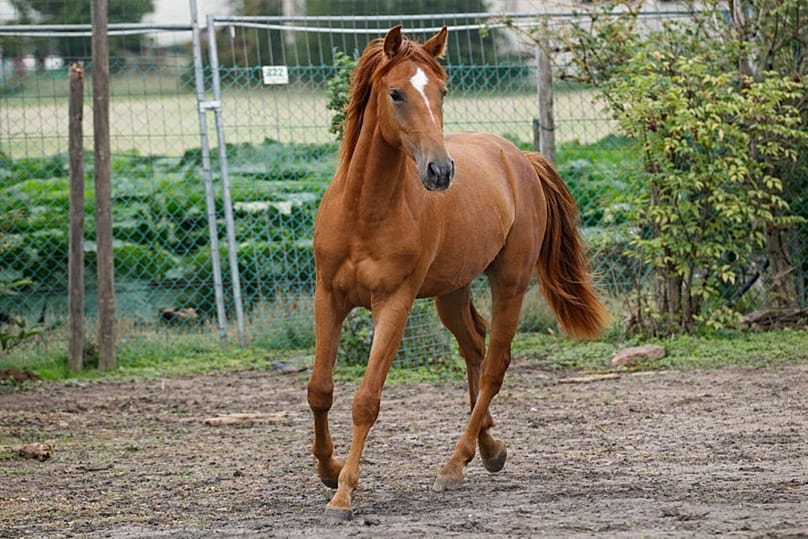
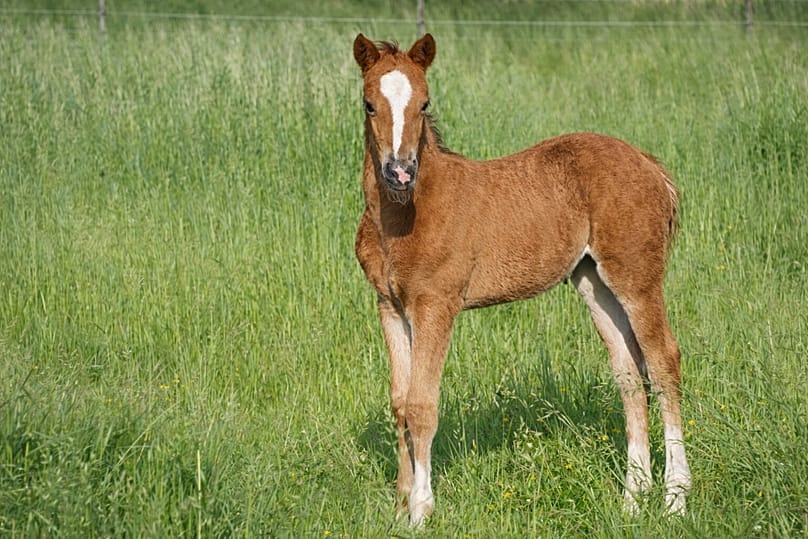
Karabakh horses are compact but athletic, typically standing around 1.4 to 1.5 metres tall.
Their strong build, endurance, and calm temperament make them well suited to difficult terrain.
Their most distinctive feature is their coat, often chestnut or bay with a characteristic golden sheen, widely documented in equine breed studies.
A living link to history
Today, the Karabakh horse remains deeply connected to Azerbaijan’s cultural identity and equestrian traditions.
Conservation programmes continue to focus on strengthening population numbers, protecting genetic diversity, and ensuring that this unique breed survives for future generations.