




























Heavy industry needs more details to develop its medium and long-term roadmap for decarbonisation. It also needs help. The European Union's Just Transition Fund supports countries facing serious socio-economic challenges on their path to climate neutrality.
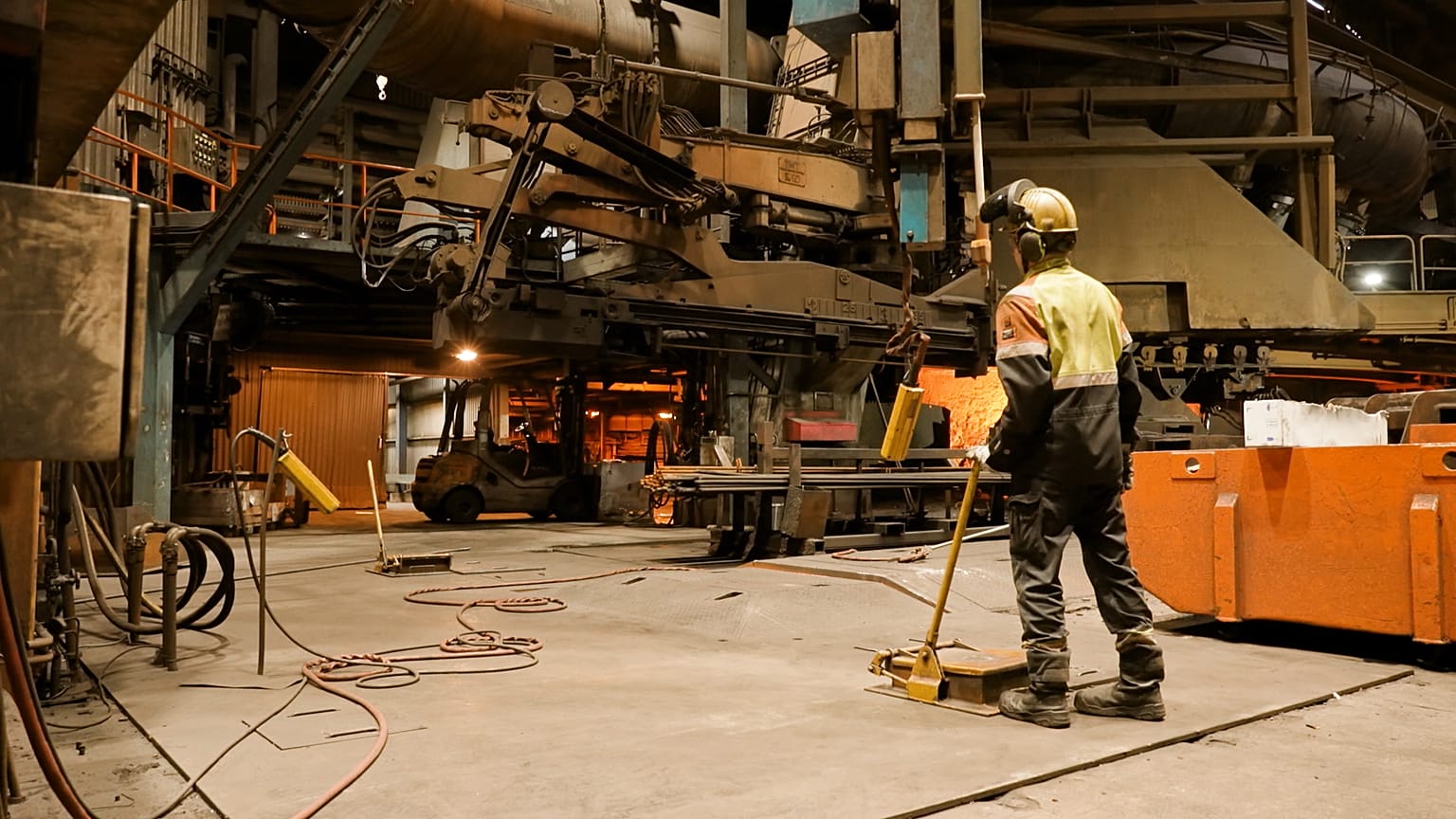
The Swedish Agency for Economic and Regional Growth, Tillväxtverket, manages EU aid so that large companies in Norrbotten, a Swedish region bordering Finland, can reduce their carbon emissions without losing competitiveness or cutting jobs. They are now accompanying this transition in steel mills like the one in Luleå, but also in cement plants and other metallurgical companies.Kristin Hedström, project manager at the agency, states, “Industry is leading the transition. They find that the state almost is lagging behind. So the industry wants this transition. They know it’s also necessary because of the climate targets that are in place at EU and national level. So it’s only a matter of working together to make it possible. And the industry is really asking for long-term clarity on rules and regulations. They want to be clear and for a long period of time: when will the emissions be reduced, by how much, what will be the regulations, what will the other types of rules that have to be adhered to. And these industries have very long-term investment cycles, so maybe twenty years or so. So they really request long-term clarity.”
 ADVERTISEMENT
ADVERTISEMENT
ADVERTISEMENT
The European Union has set itself the goal of achieving carbon neutrality by 2050. “The emissions are going down overall in Sweden. And it is quite clear that there is no other choice either. So if you want to remain in the business, you need to handle your green transition, but without losing competitiveness. But it can be a challenge for smaller companies as well when they need to face a lot of new regulations and changes there. I think we will see more challenges for them ahead” she predicts.
To achieve the European Green Deal and achieve climate neutrality, the European Commission has set up a mechanism to help the regions and sectors most dependent on fossil fuels and most affected by this transition. Kristin Hedström explains, “I think the Just Transition Fund has given us a new perspective to work with the needs of workers, the needs of the region, instead of presenting everything from the top down, we have looked at the needs here and we have identified those who are most affected by the Green Transition and that has been a welcome new element in the EU cooperation.”