


















Brussels has published new guidelines that allow Chinese electric vehicle producers to submit offers for minimum prices, which could potentially replace the steep tariffs imposed to counter Beijing's subsidies.
The European Commission and the Chinese government have announced a new step to resolve the long-running dispute over China-made battery electric vehicles (BEVs), which Brussels slapped with tariffs to counter the effects of Beijing's heavy subsidies.
 ADVERTISEMENT
ADVERTISEMENT
ADVERTISEMENT
Since the duties were introduced in October 2024, both sides have been negotiating a scheme under which Chinese manufacturers would commit to raising the price of their BEVs to ensure fairer competition with their European counterparts.
After months of negotiations, the Commission published on Monday a guidance document that allows Chinese producers to submit new offers for so-called price undertakings, including information on "future investments" in the bloc.
The submissions will be subject to a thorough internal analysis before further steps can be taken, the executive said in a short press release.
"Each price undertaking offer is subject to the same legal criteria and the European Commission will conduct each assessment in an objective and fair manner, following the principle of non-discrimination and in accordance with WTO rules," it said.
The Chinese Ministry of Commerce, which has long decried the EU tariffs as disproportionate, unjustified and artificially construed, was more upbeat in its assessment, framing the guidelines as an important breakthrough.
"The progress fully reflects the spirit of dialogue and the outcomes of consultations between China and the EU. It shows that both China and the EU have the ability and willingness to properly resolve differences through consultation," it said.
"This is conducive not only to ensuring the healthy development of China-EU economic and trade relations, but also to safeguarding the rules-based international trade order."
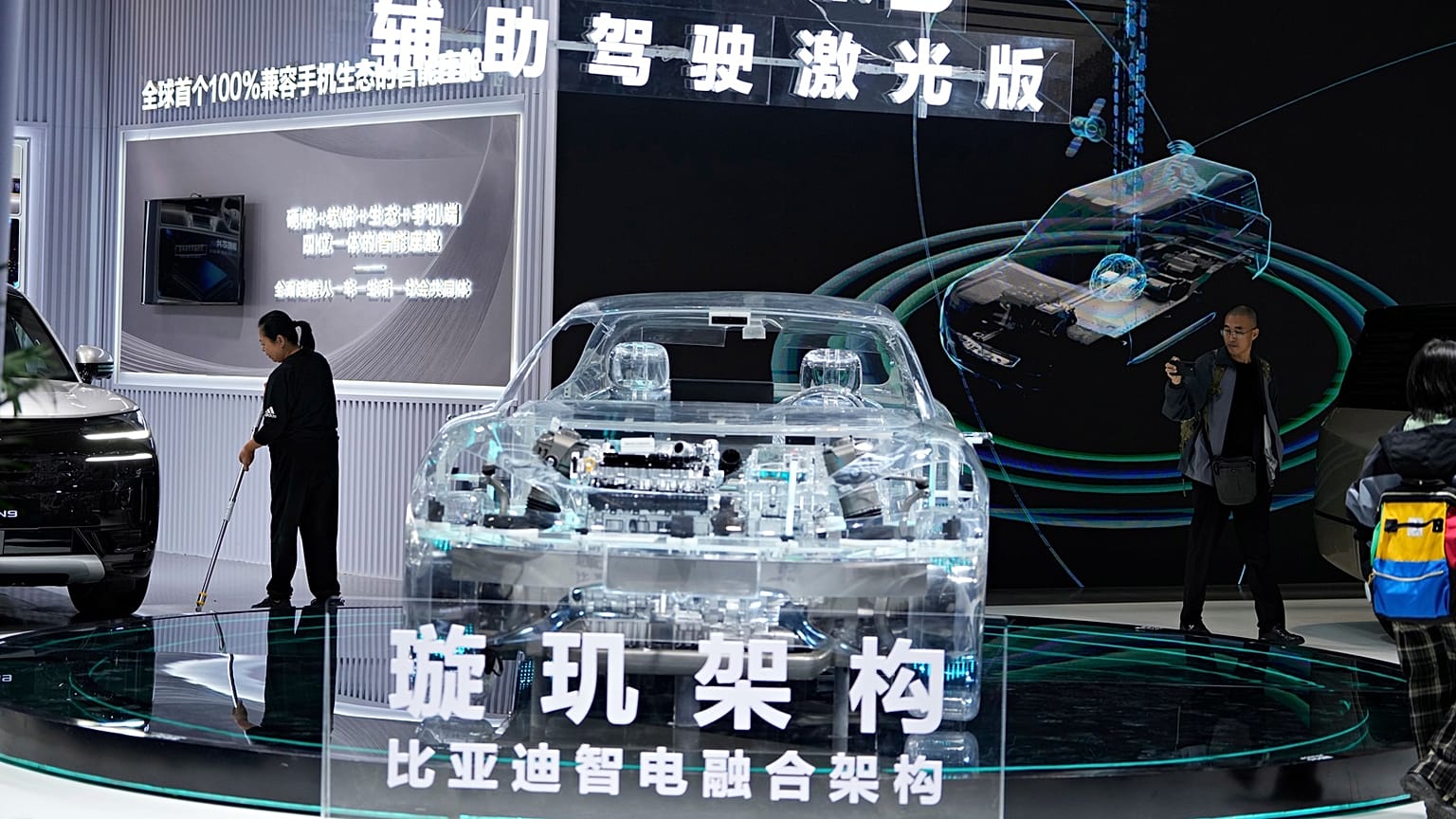
BYD, Geely and SAIC are among the Chinese carmakers currently subject to extra tariffs when they sell their BEVs in the European market. The tariffs vary according to the brand and come on top of the 10% base rate.
If the Commission were to approve a price undertaking for a manufacturer, the corresponding tariff would be lifted. However, the approval is far from guaranteed: Brussels has warned that any scheme would have to credibly offset the effects of the subsidies, which are considered multifaceted and pervasive across the industry.
"We've issued this guidance because in December, the first meaningful offer of a price undertaking came," a Commission spokesperson said, noting the offer related to one specific model. "Let's all calm down a bit. It's guidance at this stage. Nothing more."
The saga over BEVs redefined EU-China relations in 2024, with member states sharply split on the duties under the shadow of Beijing's retaliatory threats.
In a rare case, Germany, whose domestic car industry has deep ties with the Chinese market, was outvoted when the final decision was put on the table.
Back then, the Commission had made a strong case in favour of the tariffs, arguing that without taking forceful action, EU carmakers risked suffering unsustainable and irrecoverable losses and being pushed out of the race for net-zero mobility, with painful consequences for 2.5 million direct and 10.3 million indirect jobs across the bloc.
Still, Chinese BEVs have continued to gain market share across Europe and the globe, with BYD recently overtaking Tesla as the leading brand.