

















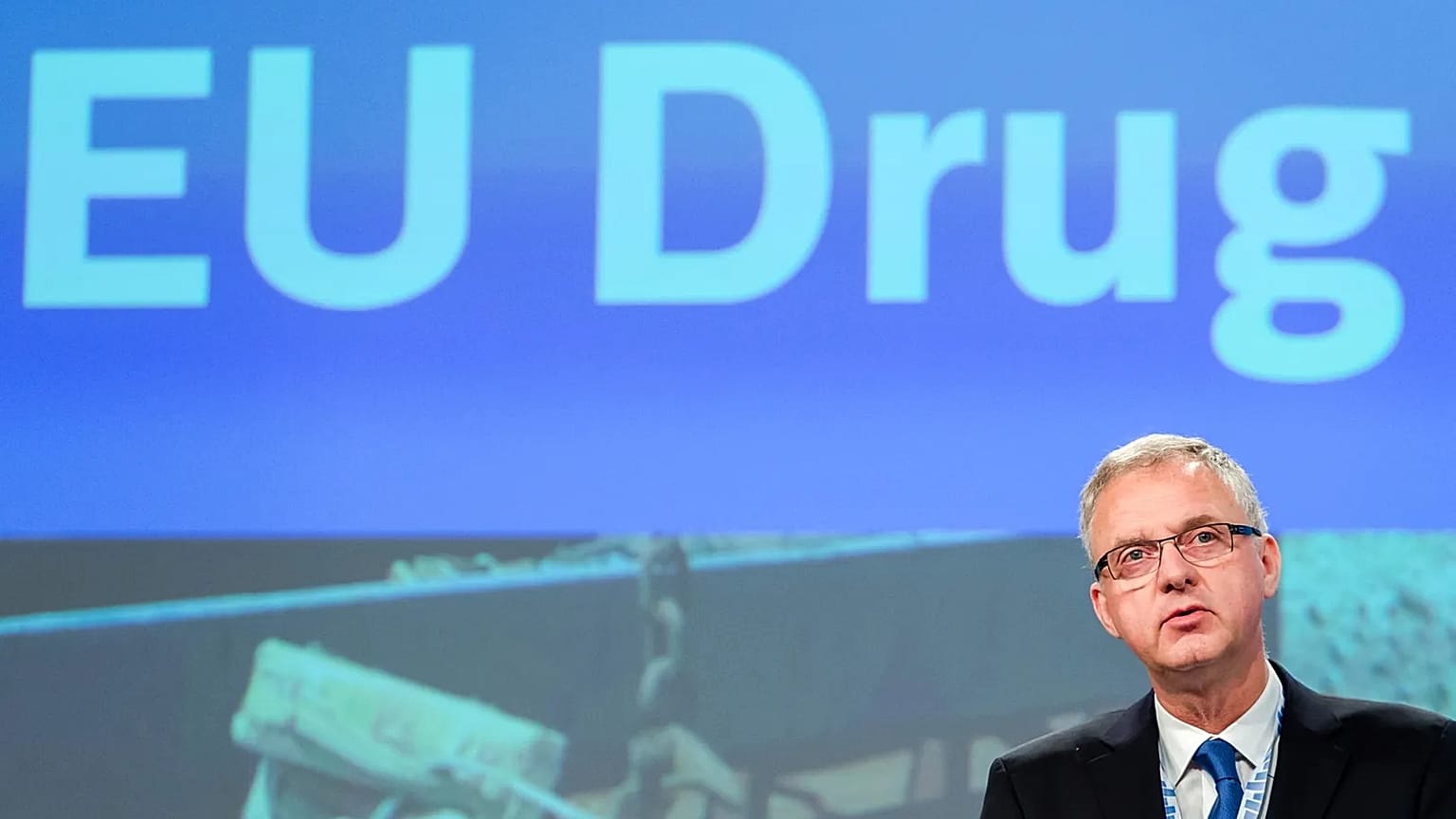














After 10 years in office, the director of the EU Drugs Agency will step down at the end of the month. He takes stock of developments in the drugs market and outlines the challenges facing the bloc.
At the end of the month, Alexis Goosdeel will step down as head of the European Union Drugs Agency (EUDA) and leaves office with a stark warning.
 ADVERTISEMENT
ADVERTISEMENT
ADVERTISEMENT
"Today drugs are everywhere. Everything can be used or be the object of addictive behaviour. And as a consequence, everybody can face personally or indirectly someone who has a problem of acute or chronic addiction", he says.
For 10 years, Goosdeel has observed and coordinated European efforts to combat trafficking and support public health initiatives. Over the course of a decade, he has seen the drugs market transform.
New substances have appeared in Europe, products that target a wide range of consumers, from occasional and socially integrated users to those with problematic consumption patterns and suffering from social marginalisation.
Goosdeel notes that violence linked to drug trafficking has also increased over the last 10 years.
"We see that over the last six or seven years, there has been a huge increase in drug market-related violence in most EU Member States. And that's a major difference because 10 years ago, when we talked about drug-related violence, we were talking about Central America. Now it's a bit everywhere in the European Union," he observes.
Lagging behind in the fight against the cocaine epidemic
While Goosdeel believes that the EU has successfully responded to the challenges posed by heroin, he feels that the 27 Member States are lagging behind in the fight against the rise in cocaine use.
"Where we are not ready at all at the moment is as we see in the last seven, eight years a huge increase in the availability of cocaine and the indirect indications that there is a huge increase in cocaine use," he warns.
In 2023, for the seventh consecutive year, EU Member States reported a record amount of cocaine seized, amounting to 419 tonnes. In its annual report published this year, the European Drug Agency states that in 2024, Spain reported its largest ever cocaine seizure in a single shipment: 13 tonnes, hidden in bananas from Ecuador. Germany seized 43 tonnes of cocaine in 2023, including 25 tonnes in the port of Hamburg, double the amount reported in 2022.
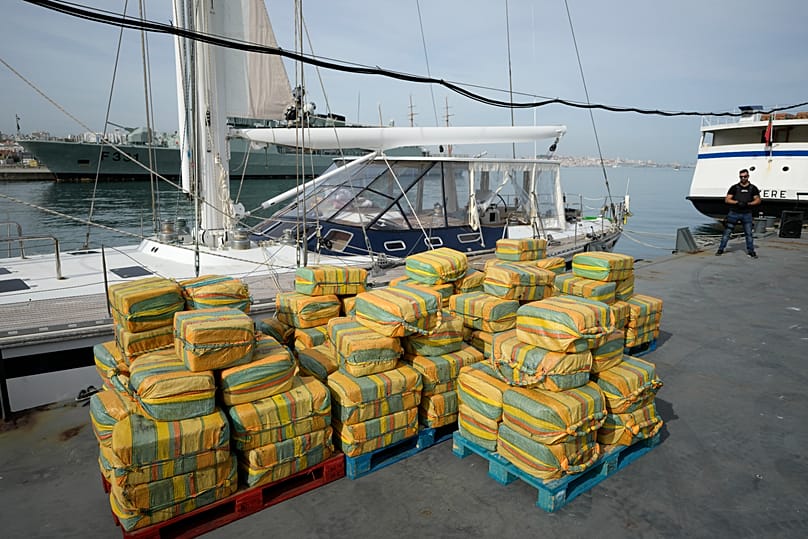
But the director of the EUDA is calling on public authorities to look to the future in the face of this phenomenon.
"We know that it takes more or less 10 to 12 years between the moment a person starts consuming cocaine and the moment they will need to ask for help for the first time, which is usually not successful the first time. And here we don't have yet treatment standard treatment protocols with the same level of efficacy that we have for existing substitution treatment," he says.
"So we need to invest more in research, we need to invest more in developing and testing new approaches for treatment, and we need to keep an eye on keeping or increasing the availability of professionals and medical team and social sanitary teams to work with the new challenges that we can already anticipate around us."
A more complex response
For Goosdeel, the danger also stems from the increase in the number of substances available over the last 10 years, which requires a more complex response from public authorities. This is one of the main challenges facing the EU in the coming years, according to the director of the EU Agency.
"The fact that there are more substances being used, not all of them are drugs. It means that not everybody is a drug user, not everybody is a criminal," he says.
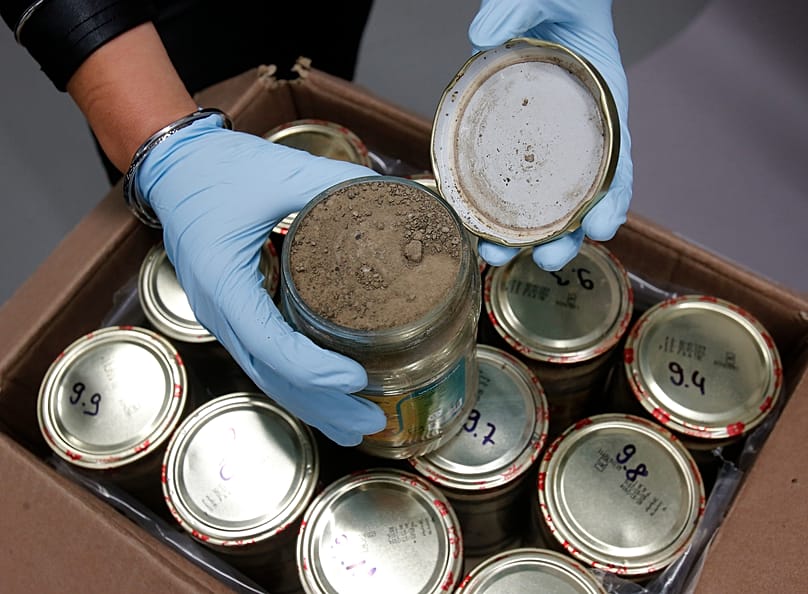
"We are not only talking about drugs, but also substances that people use to cope with increased anxiety or pressure to perform, which means that we also need to change the software or understanding of what substances are used today."
The director of EUDA is calling on governments not only to fight traffickers, but also to find ways to protect citizens. He wants the 27 Member States to keep both of these approaches in mind.
"We need to act, but at the same time, how can we protect or reinvent our social model? Because at the end of the day, what we want is not only to fight against drugs, but also to protect our communities and our citizens and give them better opportunities for the future."