















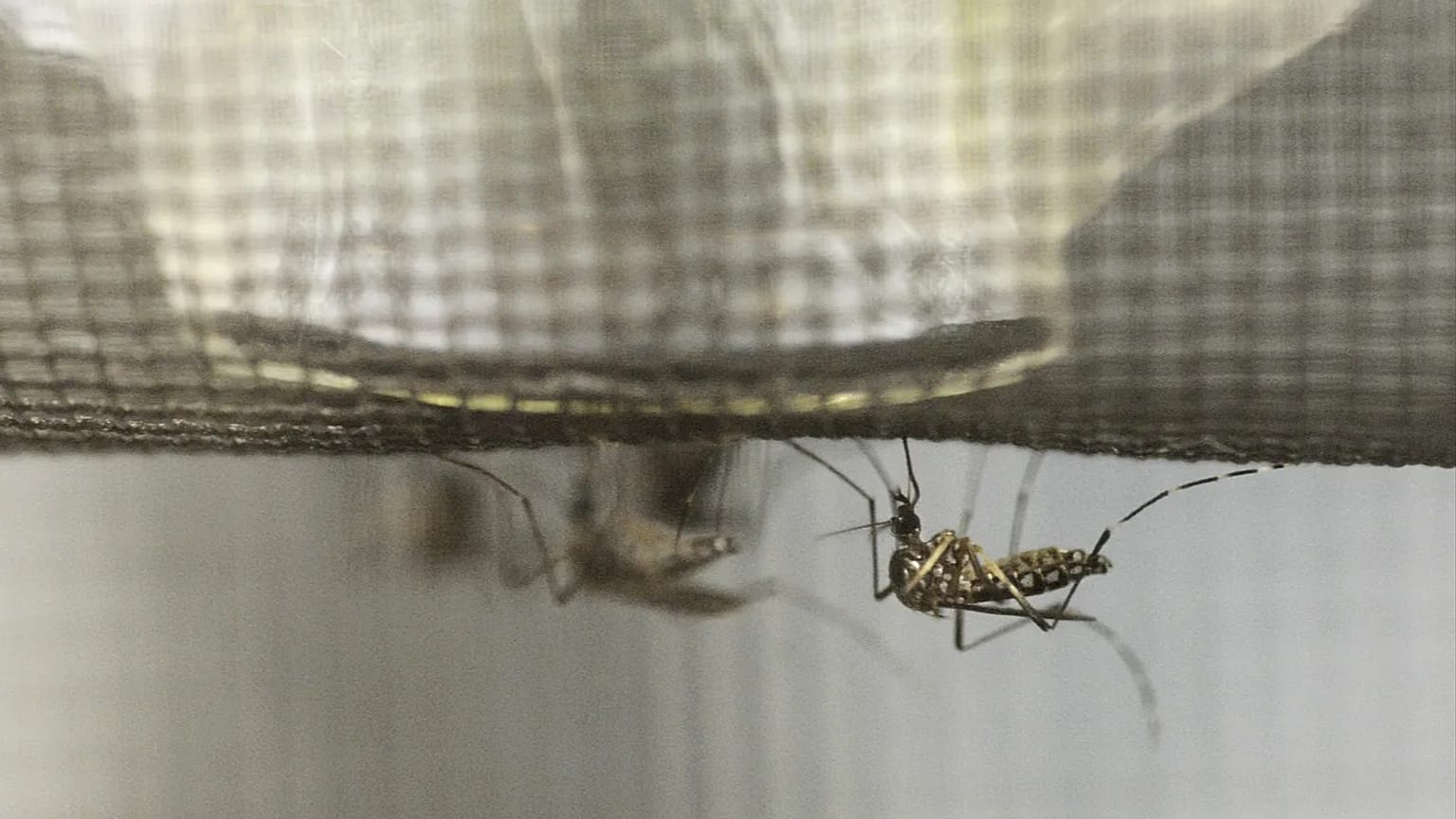














A startup in southern France is releasing sterilised male tiger mosquitoes into urban areas in an effort to reduce populations of the invasive insect and limit the spread of diseases.
A French company is taking an unusual approach to tackling one of Europe's most troublesome insects: breeding millions of tiger mosquitoes and releasing them into the wild.
 ADVERTISEMENT
ADVERTISEMENT
ADVERTISEMENT
At its facility in Montpellier, Terratis currently produces around 1.5 million sterile male tiger mosquitoes every week. The insects are released in neighbourhoods where residents face growing problems from the invasive species, which can transmit diseases such as dengue, Zika and chikungunya.
The process relies on what scientists call the "sterile insect technique." Male mosquitoes, which do not bite, are separated and exposed to X-rays that sterilise their sperm. When released, they mate with wild females, but no offspring are produced, helping to gradually reduce mosquito populations. Terratis says the method is non-GMO, chemical-free and environmentally friendly.
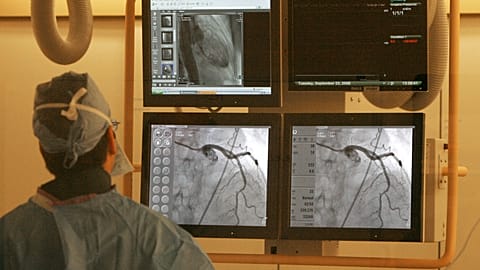
Video from the facility shows vast containers filled with mosquitoes, trays of larvae and technicians preparing batches of insects for release. In Montpellier's Malbosc district, workers regularly release thousands of sterile mosquitoes at designated points as part of the programme.
Researchers say interest in the technique is growing worldwide, with dozens of projects underway in different countries. France is among the first to move the technology beyond laboratory research and into commercial-scale deployment. Terratis plans to dramatically increase production, aiming to reach 40 million sterile males per week within two years.
Supporters hope the approach can provide a long-term tool against an insect that has become both a nuisance and a public health concern across parts of Europe.