




























As the effects of climate change intensify, children around the world are exposed, in varying degrees, to both natural and human-induced hazards that can have a significant impact on their lives.
Nearly every child in the world is exposed to climate hazards that threaten their health and development, according to a new UNICEF report.
 ADVERTISEMENT
ADVERTISEMENT
ADVERTISEMENT
“The lives of children continue to be upended by the impact of heatwaves, wildfires, droughts, and floods,” said UNICEF Executive Director Catherine Russell.
“Half of the world’s children are now living with at least three overlapping climate threats shaping their daily lives.”
The report found that the impact on children’s physical and mental health, well-being and access to education and protection is enormous yet remains poorly quantified.
“When we strengthen health and education systems, and improve infrastructure with children in mind, we protect them from today’s climate threats and help secure their future,” Russell said, calling for more investment in resilient services.
Children are disproportionately affected by climate-related hazards. Their bodies are still developing, making them more susceptible to physical and psychological stress.
While some of these vulnerabilities are unavoidable, the report noted that authorities can strengthen the accessibility and resilience of the social services on which children depend the most.
What are the biggest hazards?
Countries worldwide are experiencing rising temperatures and more frequent extreme weather events.
UNICEF estimated that almost every child is vulnerable to climate-related health threats, often through a cascading chain of impacts:
Severe droughts can devastate crops and worsen food insecurity, affecting children's growth and development.
Dry vegetation left behind by drought can fuel wildfires, which in turn worsen air pollution and leave the land vulnerable to flash floods later in the year. These floods can then contribute to the spread of waterborne diseases.
Floods
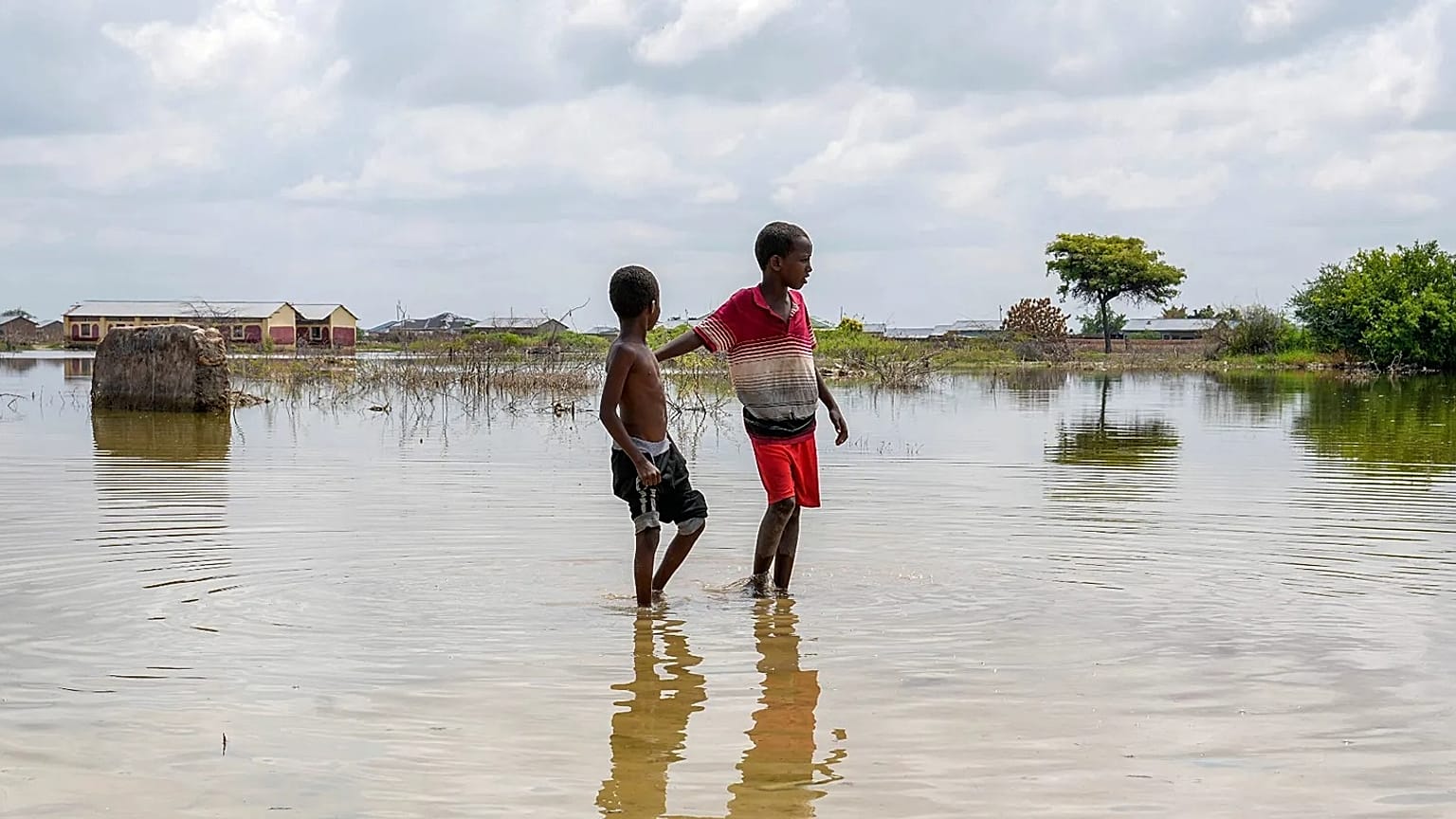
Globally, more than 360 million children are estimated to be exposed to flooding. This can lead to drowning, injuries and the increased spread of infectious diseases, including vector-borne diseases like malaria and waterborne diseases like cholera.
Flood-damaged households are also more prone to mould, which can lead to respiratory illnesses, the United Nations agency warned.
Disruptions in water, sanitation and hygiene services can lead to severe illnesses such as diarrhoea — one of the leading causes of death among young children worldwide.
Extreme heat
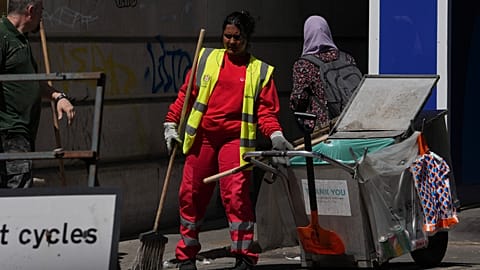
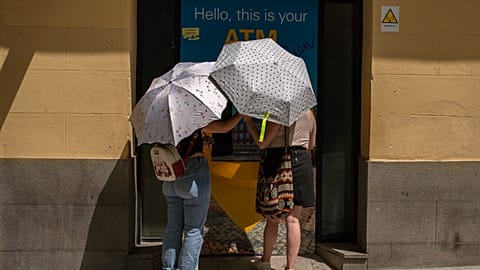
More than 1.5 billion children face frequent and severe heatwaves. Compared with adults, children are more vulnerable to both the short- and long-term effects of heat stress. They sweat less per kilogram of body weight and have a higher metabolic rate, causing them to heat up more quickly during periods of extreme temperatures.
High levels of heat exposure also increase the risk for preterm birth, congenital anomalies and complications for pregnant women, such as gestational diabetes and hypertensive disorders.
Poor air quality
Almost all children — 2.3 billion — live in areas with unhealthy air quality, the report noted, making air pollution one of the biggest environmental health risk factors.
Because children’s lungs, airways and immune system continue developing until early adulthood, they are particularly vulnerable to the harmful effects of poor air.
Vector-borne diseases
The increasing threat of climate change to global health is evident in the growing prevalence and shifting patterns of climate-sensitive diseases, the UN agency warned.
Children worldwide are increasingly exposed to diseases such as malaria, dengue and West Nile fever.
The report noted that 1 billion children are exposed to malaria, which can cause death and long-term neurological damage, affecting children's development, learning and school performance. Young people are also particularly vulnerable to severe anaemia linked to the disease, a major cause of mortality.