




























The WHO confirmed 116 suspected Ebola cases in Congo, a sharp cut from previous estimates.
The Ebola outbreak that is ravaging Congo may be smaller than previously thought.
 ADVERTISEMENT
ADVERTISEMENT
ADVERTISEMENT
As of 31 May, there are 116 suspected and 321 confirmed Ebola cases in the ongoing Democratic Republic of Congo (DRC) outbreak, down from the previous estimates of over 1,000, the World Health Organization (WHO) confirmed on Tuesday.
48 deaths and six cases of recoveries have also been reported, WHO spokesperson Christian Lindmeier confirmed during a press conference in Geneva.
Neighbouring Uganda also recorded nine cases and one death.
Lindmeier explained that the drastic drop in suspected cases is due to testing, as most patients have been “cleared out”.
“They either have other diseases or have just had a fever and nothing else,” the WHO spokesperson explained.
The specific virus behind the current outbreak in the country is less common than the strains that cause other forms of Ebola disease, which is complicating the response because there are no targeted treatments or vaccines available.
Congo's health ministry said that the main challenges in containing the outbreak in the remote region include early detection and the rapid isolation of cases, rigorous contact tracing, safe and dignified burials, and strengthening infection prevention and control in health facilities.
Five patients have recovered
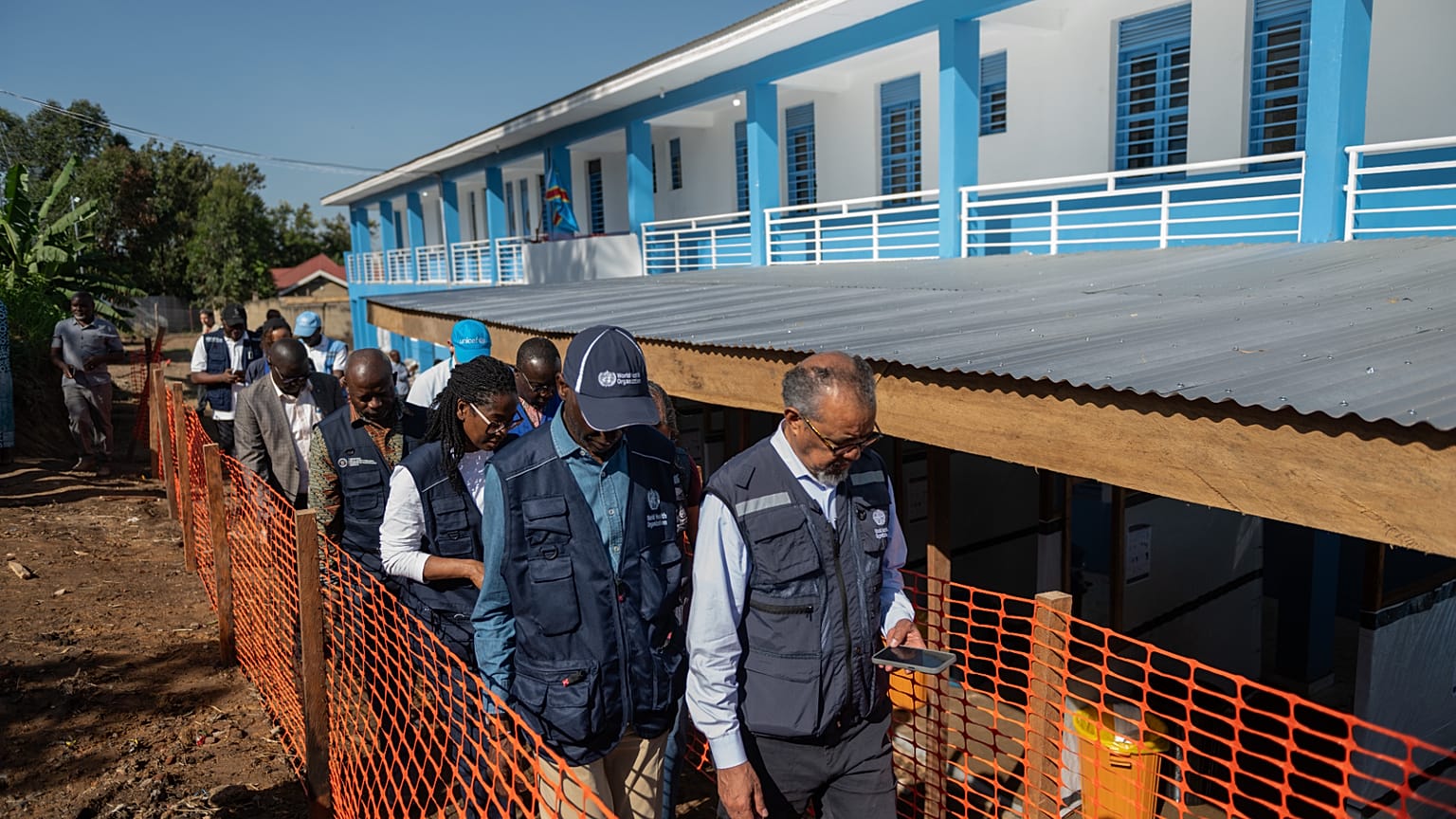
Five patients have recovered from the rare type of Ebola virus, the WHO director-general said during a visit to Bunia in eastern Congo, a city at the heart of the outbreak.
“Four people will be discharged today, and there was one that was discharged the day before yesterday,” Tedros said during the opening of a new Ebola treatment center in the city.
“Of course, we’re still working on vaccines and treatments, but that doesn’t mean that people cannot recover from Ebola,” he added.
The race for vaccines
The Coalition for Epidemic Preparedness Innovations (CEPI) announced on Monday that it will “urgently accelerate” the development of three investigational vaccines targeting the Bundibugyo virus, responsible for the current outbreak.
The organisation announced that it will invest up to €53 million in a portfolio of inoculation candidates under development, including those developed by The International AIDS Vaccine Initiative, Moderna and the University of Oxford, which will be manufactured at the Serum Institute of India (SII).
The WHO identified these three vaccine candidates as the most promising ones currently under development to combat Ebola.