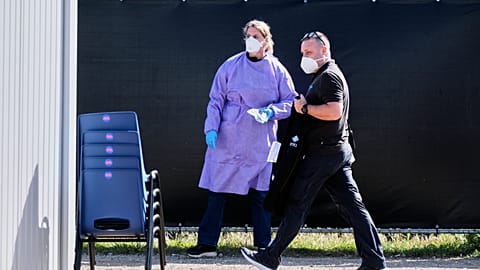
















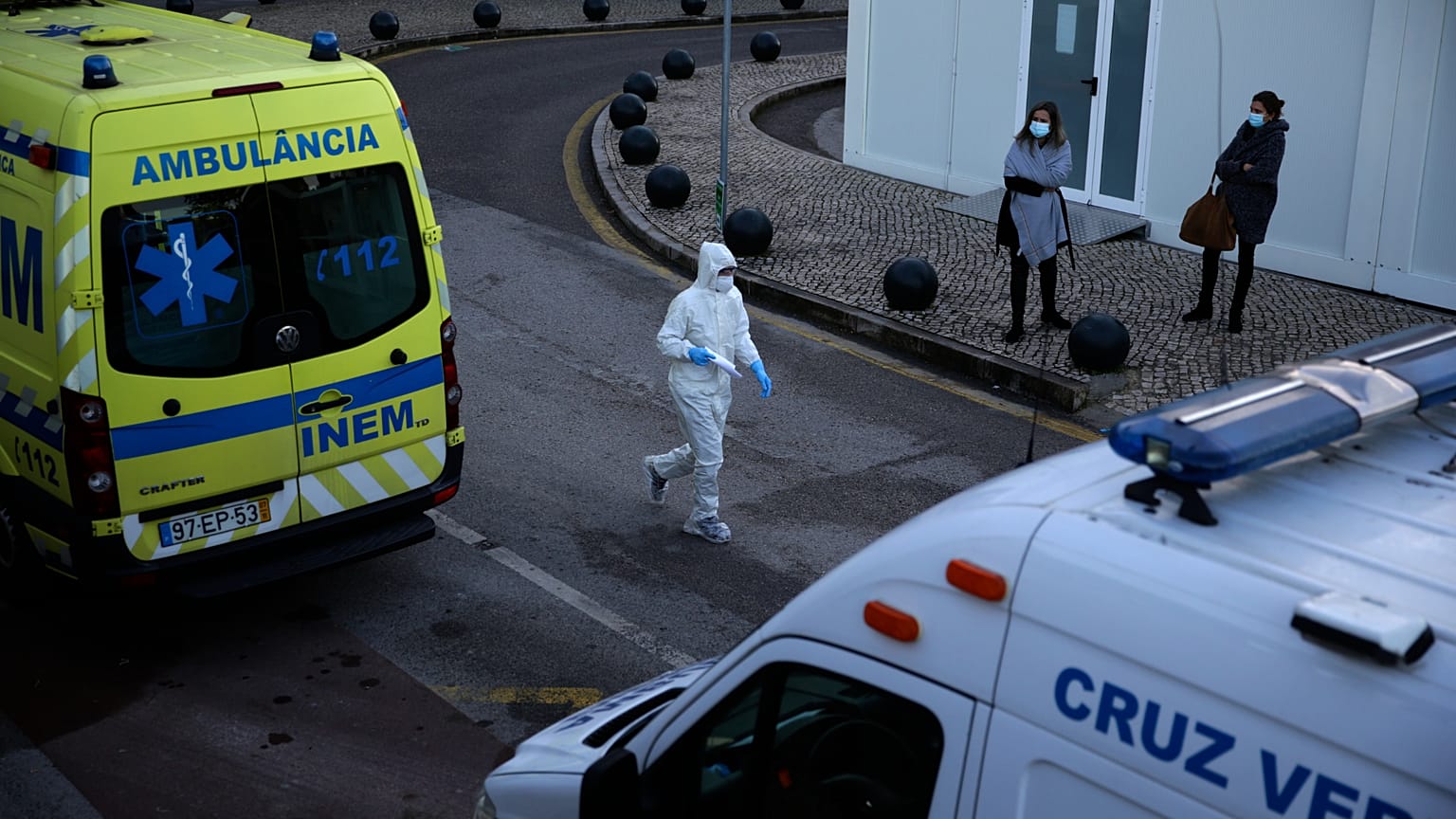













According to Portugal’s state television, Lisbon’s São Francisco Xavier Hospital admitted on Monday 19 May what is believed to be the first suspected hantavirus case.
On Monday, the emergency department at São Francisco Xavier Hospital in Lisbon admitted a first suspected case of hantavirus, as reported by RTP.
 ADVERTISEMENT
ADVERTISEMENT
ADVERTISEMENT
According to the Directorate-General of Health (DGS), responding to the Portuguese state television channel, the patient is an adult Portuguese national with flu-like symptoms who travelled by plane "as part of the hantavirus outbreak on a cruise ship with confirmed cases".
The DGS stated that all procedures were followed, the first being to refer the patient to the Curry Cabral reference hospital, which also served as a COVID-19 reference centre and was in fact the institution that received the first infected patient in Lisbon.
According to the DGS protocol for handling suspected hantavirus cases, even a non-case, that is, a suspected or probable case whose test has come back negative, "within the maximum incubation period (42 days) after the last exposure to a probable or confirmed case, must be tested again and reclassified accordingly".
How are suspected cases classified?
The DGS guidelines define a "suspected case" as any person who has shared or used a means of transport, such as a plane or ship, where there has been a confirmed or probable case of hantavirus infection.
Also deemed suspected is "any person who has been in contact with a passenger or crew member of the MV Hondius since 5 April 2026 and up to the end of the incubation period (42 days)" and who presents symptoms such as acute fever, muscle pain, chills, headache, or gastrointestinal or respiratory symptoms.
Countries such as Germany, Italy, Spain, the United Kingdom and the United States (source in Portuguese) are dealing with hantavirus cases and are responding in a very similar way, using the World Health Organization (WHO) guidelines (source in Portuguese).
The recommendations include a six-week quarantine for high-risk contacts, PCR testing, strict monitoring, restricted movement and a safety distance of between one and a half and two metres.