




























As the United States is stepping up its measures in response to the latest Ebola outbreak, what is happening in Europe? Will it also screen passengers at airports, or go as far as cancelling flights? And how effective are these measures?
The latest outbreak of Ebola in the Democratic Republic of Congo (DRC) and Uganda has seen the United States make a U-turn on its generally relaxed approach to public health measures.
 ADVERTISEMENT
ADVERTISEMENT
ADVERTISEMENT
On Monday, steps were announced to prevent the virus from spreading, including screening air travellers arriving from affected regions and, in some cases, entry restrictions.
The following day, Dr Tedros Adhanom Ghebreyesus, WHO's Director-General, said he was “deeply concerned about the scale and speed of the epidemic”. So, how worried should Europeans be? What about citizens of countries with regular, direct flight routes to Kinshasa, like Belgium?
“The situation in the DRC is serious and must be tackled decisively there. Brussels does indeed have direct links with Kinshasa, which justifies vigilance,” one of Belgium’s top virologists, Steven Van Gucht, told Euronews.
Brussels Airport, located in the heart of Belgium, is the primary European gateway for travel to and from the DRC.
Brussels Airlines operates daily flights (seven times a week) to and from Kinshasa. The company has no exact figures on traveller numbers, but the Airbus A330 aircraft used on this route can carry around 290 passengers.
“At the same time, experience from previous outbreaks shows that the risk to Belgium and Europe is low,” Van Gucht added.
This was mirrored by Brussels Airlines. “We are monitoring the situation closely, in line with our standard procedures. We are in contact with all relevant authorities and will adjust our operations should this be necessary,” Joëlle Neeb, Senior Media Relations Manager, told Euronews.
“At present, all flights are operating as scheduled, and no additional protective measures are in place.” Brussels Airlines’ crews do, however, follow specific guidelines for health and safety issues, such as in the case of infectious diseases.
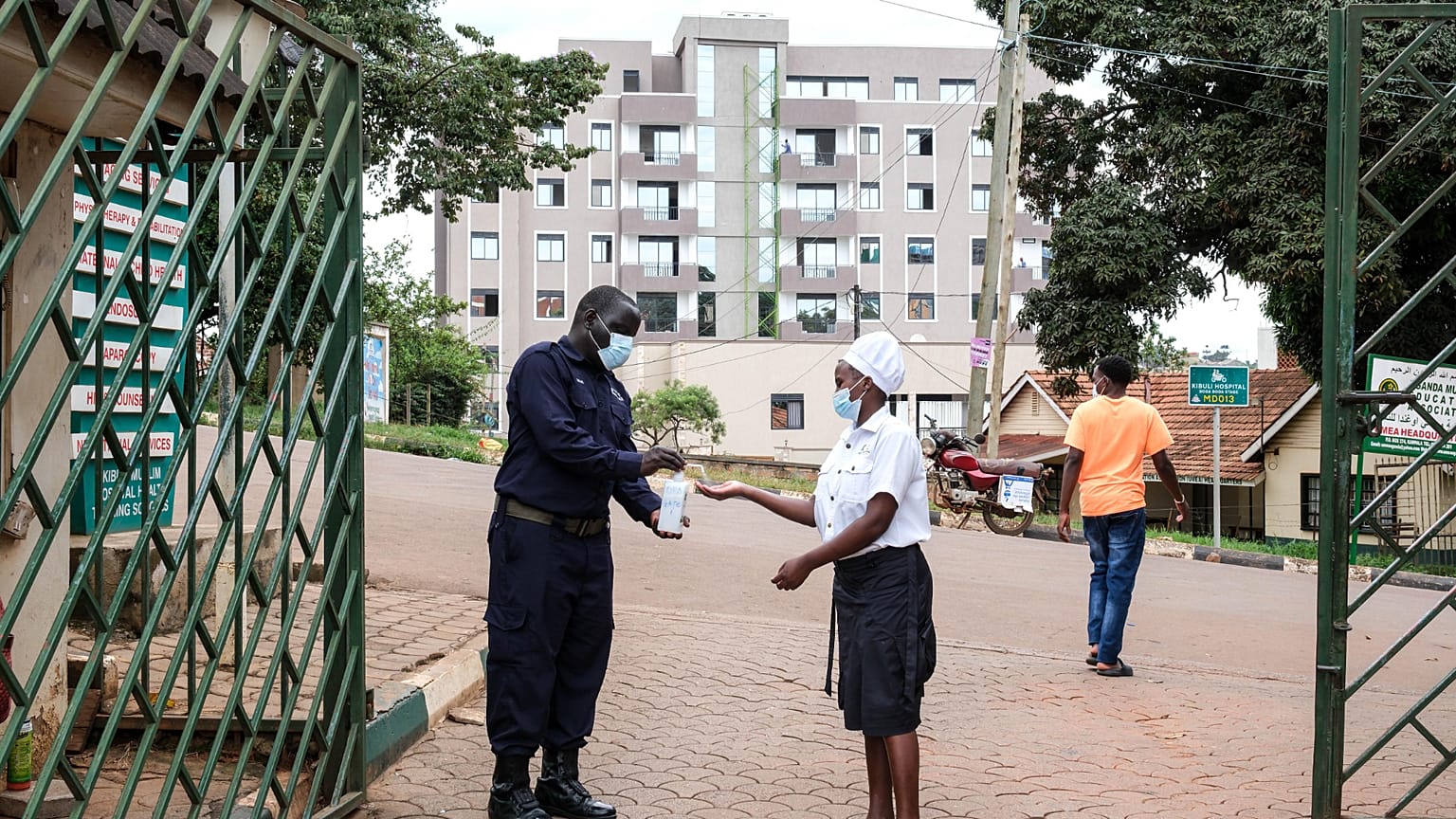
“Our crews are trained in this regard. Among other things, they monitor for possible symptoms, apply hygiene measures such as regular hand sanitisation, and limit contact where necessary. If required, they also collaborate with medical services and health authorities.”
The latest Ebola outbreak has been declared a public health emergency of international concern and has caused at least 131 deaths and 500 cases.
Questionable effectiveness of measures
Ebola spreads exclusively through direct contact with the bodily fluids of a symptomatic patient, not through the air, Van Gucht explained, meaning it can be relatively easily contained. “It is also important to note that people are only contagious once they show symptoms, and not before.”
The incubation period can vary from 2 to 21 days. This specific factor — the incubation period — is exactly what limits the effectiveness of temperature screening on arrival, as will be done in the US.
“A traveller in the incubation period does not yet have a fever and will therefore not be detected,” Van Gucht said.
This was echoed by Celine Gossner, an expert at the European Centre for Disease Prevention and Control, who told Euronews that, at this stage, it is not recommending entry screening measures in Europe. “Airport screening requires substantial resources but has limited effectiveness.”
Both Gossner and Van Gucht noted that exit screening in affected countries is a more effective measure. Nevertheless, Van Gucht argued, entry screening can “serve as an early warning system and help to maintain public confidence.”
The Africa Centres for Disease Control and Prevention (CDC) said that it “takes note” of the US restrictions and recognises the “responsibility of every government to protect the health and security of its people”. However, it considers that travel restrictions should not be used as a primary public health tool during outbreaks.
“Africa CDC’s position is clear: generalised travel restrictions and border closures are not the solution to outbreaks,” the agency said in a press release.
The European Centre for Disease Prevention and Control (ECDC) is also not proposing travel restrictions, as opposed to the US, which has placed entry restrictions on non-US passport holders who travelled to Uganda, the Democratic Republic of Congo (DRC) or South Sudan within the past 21 days.
Van Gucht has also rejected the idea of banning flights from affected countries in response to the outbreak. “Such measures are of little epidemiological benefit, disrupt humanitarian aid and supply chains, and may lead to outbreaks being reported less promptly,” he said.
The latest travel advice from Belgium’s Foreign Affairs Ministry Security stated that, due to confirmed cases of Ebola in the Ituri and North Kivu provinces, all travel to these provinces is “formally discouraged.” The Ministry cannot officially ban travel to a particular country.
What is being done?
Van Gucht stressed that having clear procedures in place for sick travellers on board and for contact tracing of fellow passengers should a case be identified is key.
A spokesperson from Brussels Airport stressed that it has established such protocols. “If a passenger arrives who is infected with an infectious disease, that person is evacuated by a specialist ambulance from the military hospital.”
“In situations such as this, Brussels Airport takes the necessary measures based on the recommendations of the Public Health Ministry. To date, we have not received any instructions or guidelines on this matter,” he added.
The Belgian Health Ministry’s ‘Risk Management Group’ did not respond to questions from Euronews regarding what additional measures could be considered to control the spread of the virus to Belgium by the time of publication.
The ECDC’s Gossner noted that, in any case, travellers returning from affected areas who develop symptoms such as fever, headache, or general malaise within 21 days of return should seek medical attention promptly and inform healthcare providers about their recent travel history.
“This early warning system is more important than widespread temperature screening of all arriving travellers,” Van Gucht said.
“The priority must be to maintain vigilance within our own health systems and support the response on the ground,” he concluded.
The ECDC is deploying experts to the DRC to support coordination and operational planning. The European Commission has not received any request for assistance through any of its international aid mechanisms, a Commission spokesperson said on Tuesday.