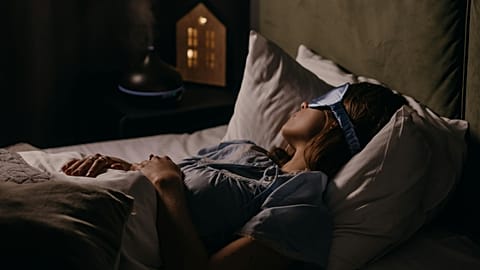
















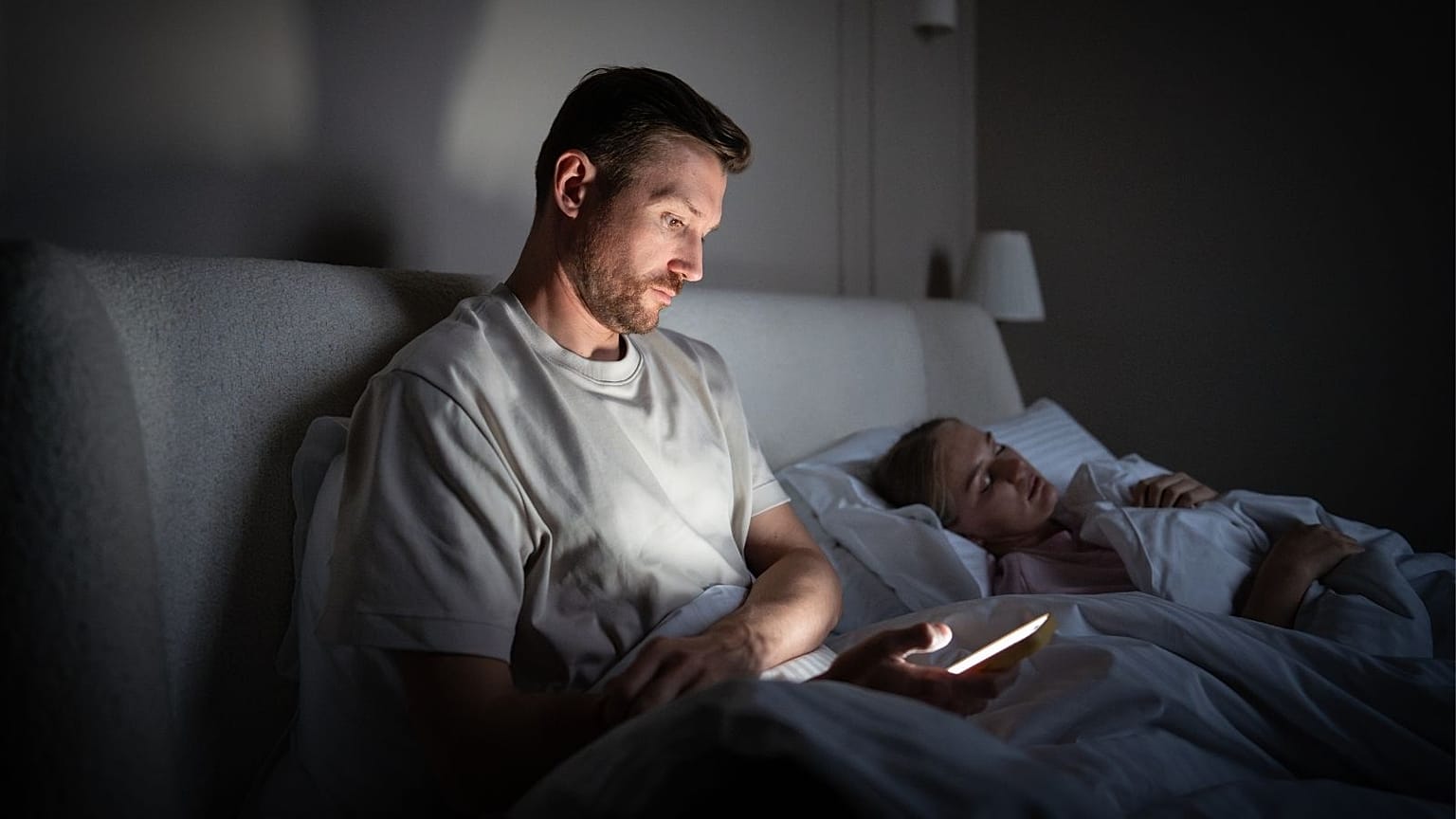













Sleep tracking devices can worsen anxiety in people with insomnia by increasing their focus on sleep quality, according to a new study.
Sleep tracking apps can cause stress for people with insomnia as they heighten awareness of sleep quality and monitoring, according to a new study.
 ADVERTISEMENT
ADVERTISEMENT
ADVERTISEMENT
Researchers from the University of Bergen in Norway found that while providing insights into sleep habits helped some users, those with insomnia experienced more negative effects.
“The rapid development of sleep app technology requires the scientific community to keep up with technological advances,” said Håkon Lundekvam Berge, first author of the study at the University of Bergen.
He added that the research found that younger adults were more affected by the apps’ feedback, and they reported more perceived benefits but also more worries and stress.
Sleep tracking has become a booming industry. The US sleep-tracking devices market generated about $5 billion (about €4.25 billion) in 2023 and is expected to double in revenue by 2030, according to market research firm Grand View Research.
Most apps rely on sensors embedded in wearable devices such as smartwatches and fitness bands, which track and report parameters such as sleep latency, sleep duration, and sleep efficiency.
The researchers surveyed over a thousand people in Norway, with an average age of 50. Participants were asked about the use of sleep apps, their current sleep health, and whether they experienced specific positive or negative effects.
The authors noted that age was the most influential factor in shaping users’ experiences. Younger age groups aged 18-35 and 36- 50 were more likely to report beneficial effects, such as improved sleep and a greater tendency to prioritise it.
However, the same age group also reported higher levels of stress and concern, suggesting that they may be more susceptible to the negative effects of digital health information.
The risk for bad sleepers
The authors warned that an excessive focus on the app’s output can worsen sleep quality.
“We also found that people with insomnia symptoms were more susceptible to negative effects,” said Karl Erik Lundekvam, second author of the study.
He noted that feedback from the sleep apps was more likely to cause stress and worry in this group. People who suffer from insomnia often exhibit increased sleep-related attentional bias and worry, which monitoring devices can amplify.
“We would urge people who get more stressed by using sleep apps to learn more about which measures they use and how accurate they are,” Lundekvam said.
“If this does not calm your worries, you should consider taking off your sleep app device during nighttime or turning off notifications”, he added.
The authors noted that users can rely on the feedback as motivation to create helpful sleeping habits, such as minimising screen time before bedtime.