
















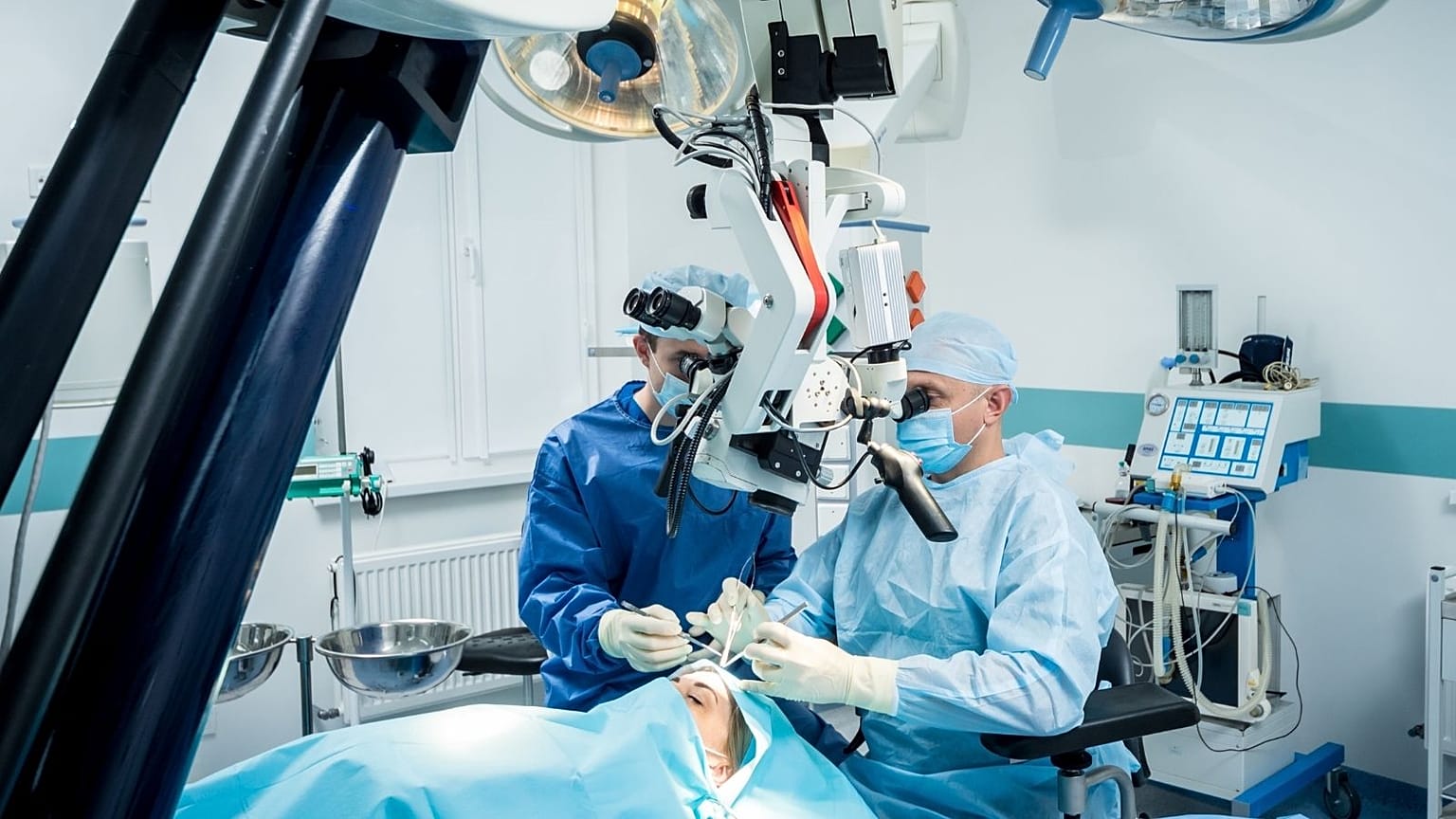













While the body is under anaesthesia, the brain is not fully inactive; it continues processing language even when unconscious, according to a new study.
Even under anaesthesia, some parts of the brain remain active and can identify and process language, a study has found.
 ADVERTISEMENT
ADVERTISEMENT
ADVERTISEMENT
The results, published in the journal Nature, found that neural circuits continue to encode and respond to stimuli even without consciousness.
“Our findings show that the brain is far more active and capable during unconsciousness than previously thought,” said Sameer Sheth, co-author of the study at Baylor College of Medicine.
“Even when patients are fully anaesthetised, their brains continue to analyse the world around them.”
How did researchers look at the neurons?
The researchers studied seven patients undergoing epilepsy surgery to remove part of their temporal lobe to control seizures. Using Neuropixels probes – tiny silicon needles – the team collected data on how the brain processed sound and language without conscious awareness.
In a first test, patients listened to a sequence of identical tones occasionally interrupted by a different one. Around 71% of the neurons responded to the sound, suggesting the brain was registering the tones being played, and 25% of them reacted to the different tones.
The researchers found that the brain’s ability to detect these unusual sounds improved over time.
In another experiment, researchers played podcasts to four patients. They found that the brain processed speech in real time, responding to individual words and different elements of speech.
They also found that the brain, even in an unconscious state, was able to anticipate upcoming words based on prior context.
“This kind of predictive coding is something we associate with being awake and attentive, yet it’s happening here in an unconscious state,” said Benjamin Hayden, professor at Baylor College of Medicine.
The study’s authors noted that more research is needed to better understand the brain’s activity under anaesthesia and whether the level of neural activity observed in the study can also be found during sleep or other unconscious states.