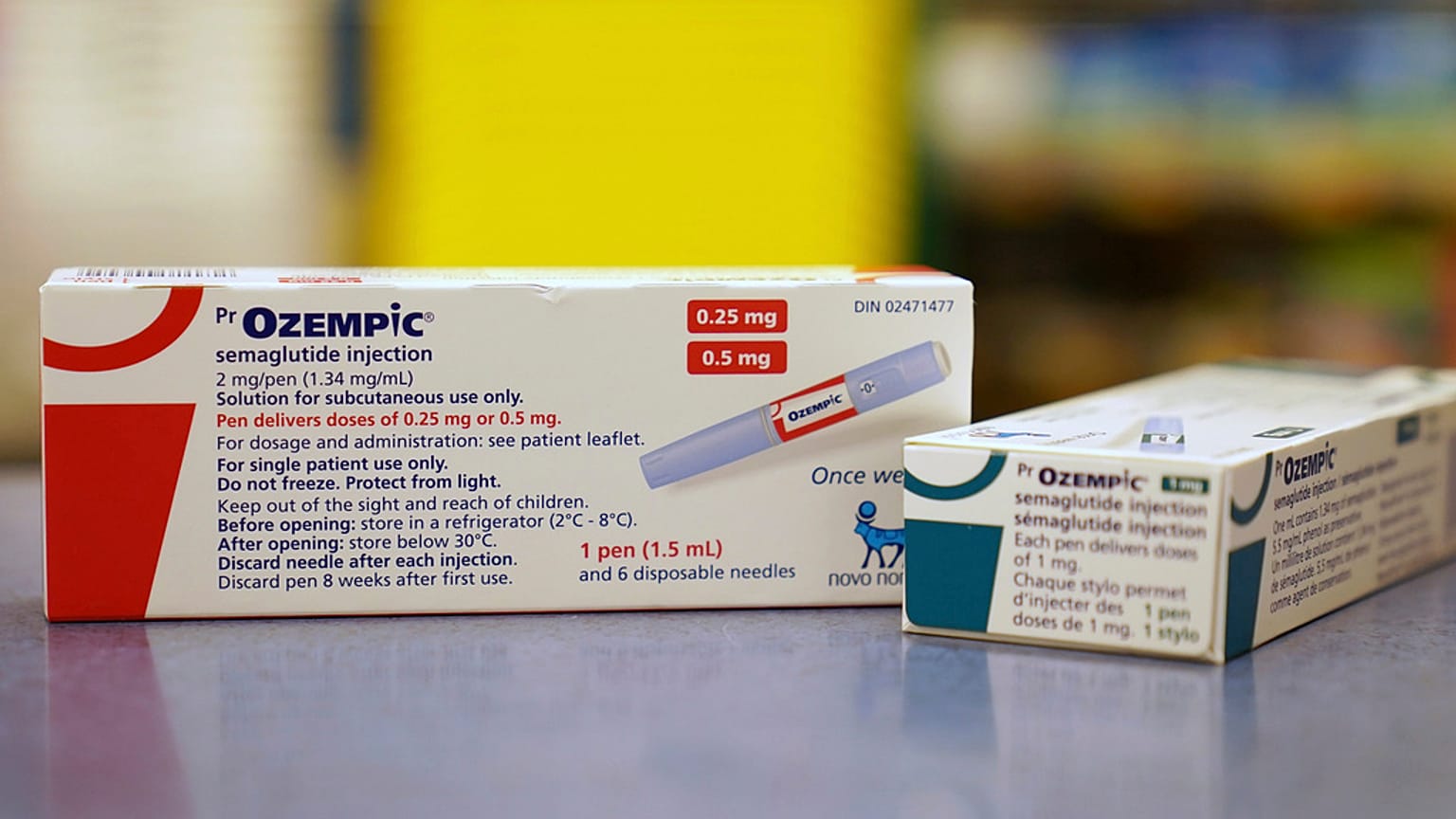














People who use weight-loss drugs can rapidly regain weight after stopping treatment, according to a new study
Millions of people around the world have benefited from the use of GLP-1 drugs such as Ozempic, Wegovy, and Mounjaro to lose weight and combat obesity.
 ADVERTISEMENT
ADVERTISEMENT
ADVERTISEMENT
But anecdotal evidence shows that coming off the medication and readjusting to life can often be difficult, with many experiencing rapid weight gain and reversal of heart and diabetes risk markers.
A new study from the University of Oxford has now found that people who have used weight-loss drugs are likely to go back to their original weight within just two years after stopping treatment, underscoring the need for long-term medical and nutritional support for these patients.
The research, published in the BMJ, found that people who stop medication gain weight back almost four times faster than those who make changes to their diet and physical activity.
“We don't know exactly why that's the case, but what I would speculate is that when you're having a dietary programme, you have to work really hard to control your appetite. You have to learn strategies to help you resist food,” said Susan Jebb, co-author of the study and professor of diet and population health at the University of Oxford.
She added that efforts now should concentrate on how to better support people both when they come off the medication, and when they need to continue long-term treatment.
Effects are reversed in less than two years
The Oxford team analysed clinical trials and observational studies that compared non-drug interventions or placebos with the effects of weight-loss medication, including newer hormone-based medicines that curb appetite and other approved drugs that, for example, reduce fat absorption.
After looking at 37 studies involving more than 9,000 patients, they found that patients using the medications were projected to return to their starting weight in 1.7 years.
They also found that not only does weight come back, but risk markers for diabetes and heart disease were also predicted to return to pre-treatment levels within 1.4 years.
Some experts said the results are to be expected, considering the chronic nature of obesity.
“The results are not surprising. Obesity is a chronic disease that usually relapses when treatment is stopped,” said John Wilding, professor of medicine at the University of Liverpool and who was not part of the research team, in a statement.
He added that with other chronic diseases such as diabetes, high blood pressure or high cholesterol, it is not expected for results to be maintained if treatment is stopped, and there is no scientific reason to expect obesity to be different.
Need for support beyond the weight loss
The new generation of weight-loss drugs, which include shots like Ozempic and pills like Wegovy, has been a revolution in the treatment of obesity and diabetes. In the United Kingdom alone, a new study estimated that 1.6 million people used these medications between early 2024 and early 2025.
Popular anti-obesity and diabetes medicines are part of a class of drugs known as glucagon-like peptide-1 (GLP-1) receptor agonists, which help people lose weight by mimicking a hormone that reduces their appetite and food cravings.
As these drugs become increasingly popular, experts warn that patients need the correct support while following treatment.
People prescribed the new generation of weight-loss drugs may not receive sufficient nutritional guidance to support safe and sustainable weight loss, leaving them vulnerable to nutritional deficiencies and muscle loss, according to new research led by the University of Cambridge, published in the journal Obesity Reviews
The researchers said that lean body mass, including muscle, can constitute up to 40 percent of total weight lost during treatment.
While acknowledging the benefits these drugs can bring to people with obesity, the study warns that there is a risk that reduced food intake could compromise dietary quality. This means that people may not get enough protein, fibre, vitamins, and minerals, which are essential for maintaining overall health.
“If nutritional care is not integrated alongside treatment, there’s a risk of replacing one set of health problems with another, through preventable nutritional deficiencies and largely avoidable loss of muscle mass. This represents a missed opportunity to support long-term health alongside weight loss,” said Marie Spreckley, lead author of the Cambridge study.