












Experts warn that the slightest increase in temperatures can trigger early blooming in hundreds of wildflower species.
Hundreds of wildflowers have bloomed this winter, as climate extremes trigger a drastic “shift” to their natural cycle.
 ADVERTISEMENT
ADVERTISEMENT
ADVERTISEMENT
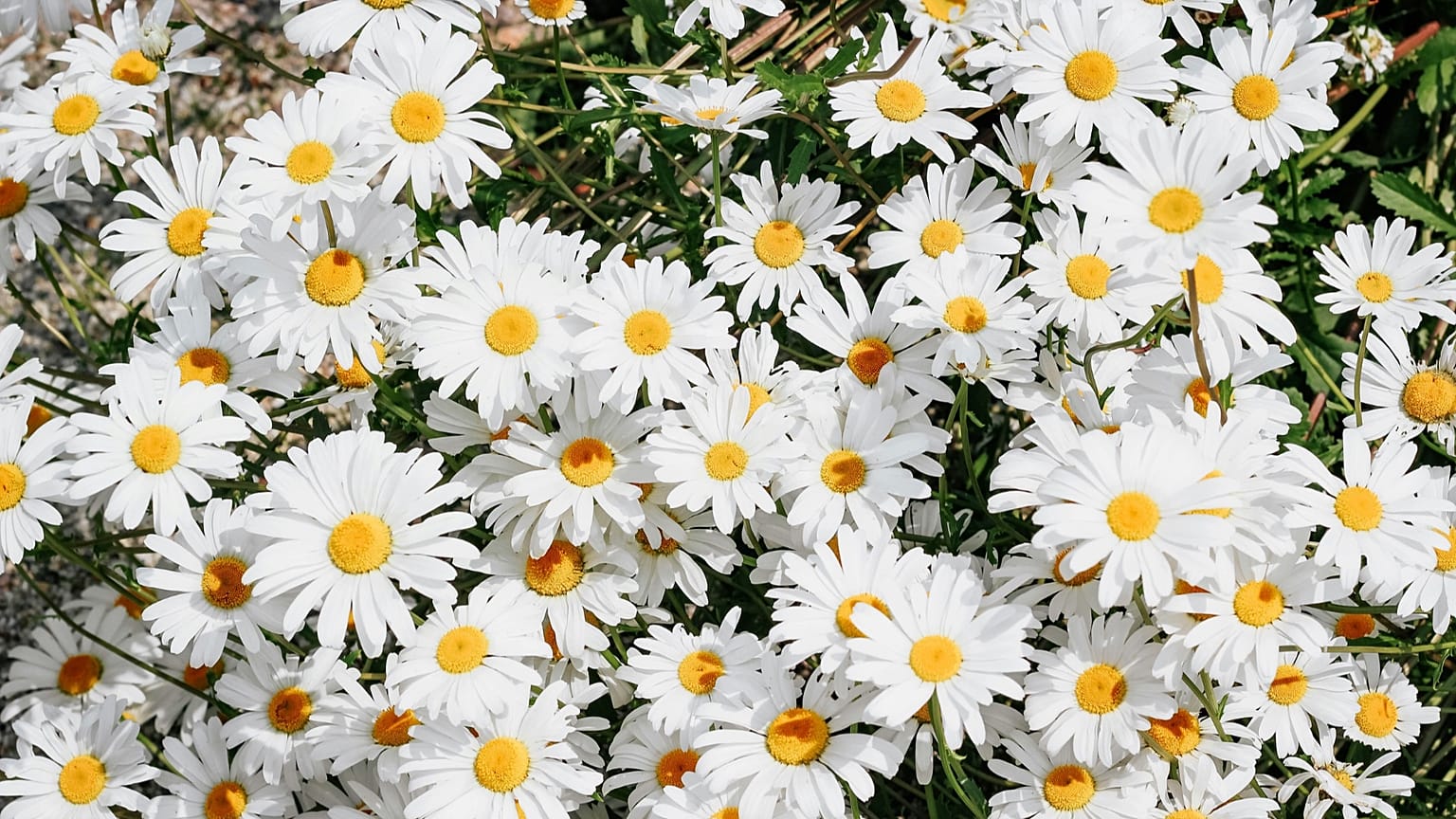
While the sight of daisies or dandelions may add a splash of colour to January’s grey weather, they don’t usually blossom until springtime when temperatures have risen and the frost has cleared.
However, with heat-trapping emissions baking the planet and bringing global temperatures to around 1.4°C above preindustrial levels, the natural world is being disrupted. Following the extreme weather of 2025, the UK’s Met Office warned that the nation’s flora has become a “visible signal” of the climate crisis.
How climate change impacts plants
Co-ordinated by the Botanical Society of Britain and Ireland (BSBI), The New Year Plant Hunt has been gathering data on UK flora for the past decade.
This year’s study recorded 310 native plant species in flower, which far exceeds the 10 species typically expected to be in bloom during January.
Common wildflowers like daisies, dandelions and groundsel appeared on the list – as well as non-native species such as Mexican Fleabane and Red Dead-nettles.
The findings suggest that for every 1°C warmer average temperature during November-December, there are about 2.5 more species of flowering plants observed over the New Year period.
A ‘visible signal’ of climate extremes
“This is yet further evidence that climate change is affecting our wildlife indiscriminately,” says Kevin Walker of BSBI. “This is a visible signal that everyone can see in their own gardens and communities.”
Dr Debbie Hemming, a leading climate scientist researching the effects of climate change on the natural world, warns that findings underscore how increasing climate extremes are “shifting the natural cycles” of plants and wildlife.
“[It is] tangible evidence that climate change is directly influencing the world around us,” she adds.
According to data from the EU’s Copernicus Climate Change Service, 2025 is virtually certain to finish as the second or third-warmest yearon record.
Findings, which are still being analysed, suggest the year will be tied 2023, but won’t be as hot as 2024 – which remains the warmest year on record.
Bloom ‘failure’ in Europe
The Met Office’s study only looked at flora in the UK. However, a study published last month in Agricultural and Forest Meteorology warns that climate change could also be impacting bloom patterns across the Mediterranean region and Central Europe.
It found that while warming typically advances spring flowering, insufficient winter chill can delay or even prevent blooms.
Over the next century, researchers predict that apple, almond and pistachio trees in southern Spain, Morocco and Tunisia may face delayed blooms - which are often coupled with an increased risk of bloom failure. The study also predicts early blooms of apple, pear, plum and sweet cherry trees in Central Europe.