




























The Dartington Declaration calls for ‘unprecedented’ cuts to emissions to prevent global temperatures exceeding 1.5℃.
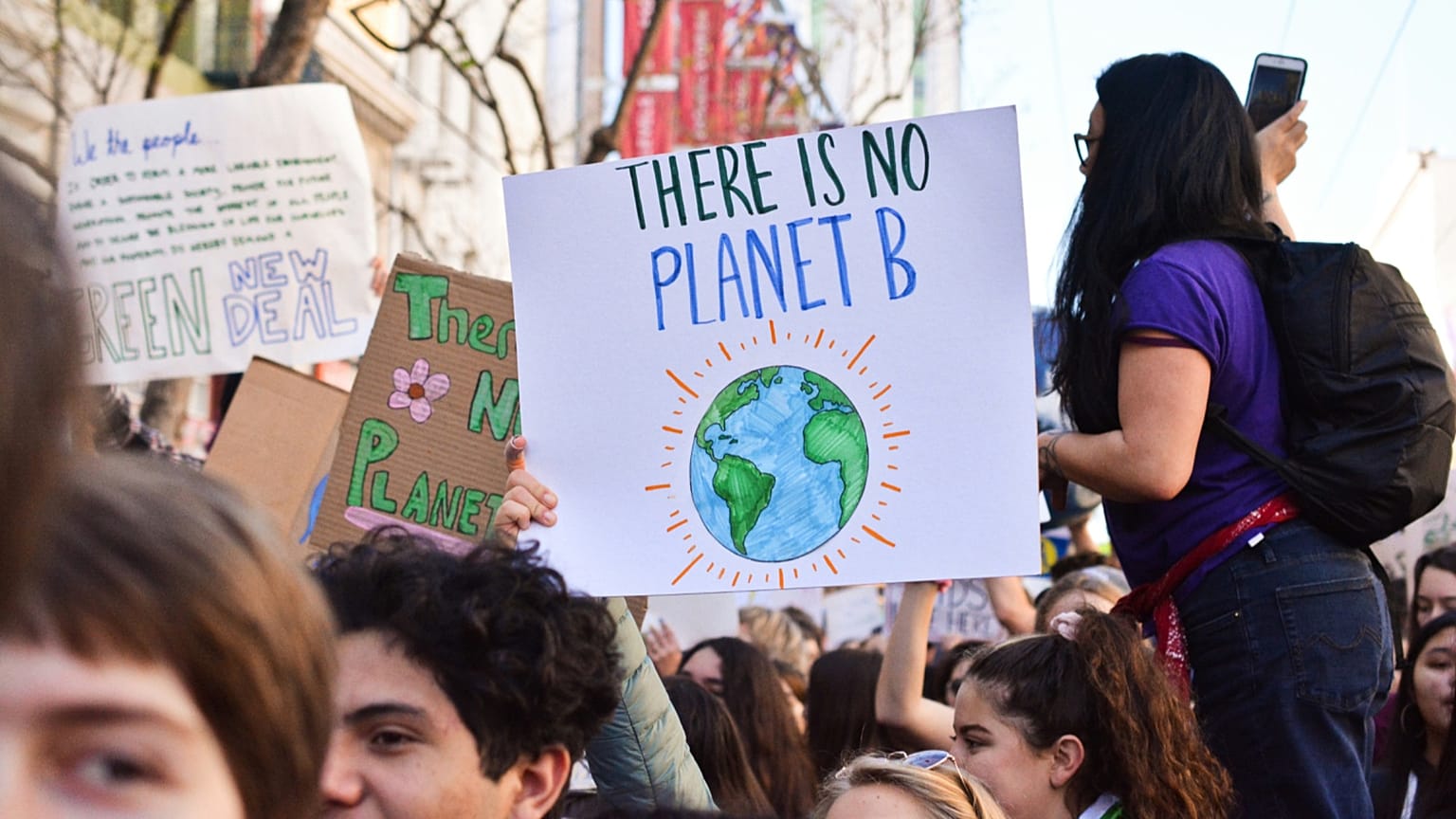
Hundreds of scientists have signed an urgent declaration calling on world leaders and policymakers to “act now and act fast” on climate change.
 ADVERTISEMENT
ADVERTISEMENT
ADVERTISEMENT
The Dartington Declaration argues humanity will be pushed into the “danger zone” if greenhouse gas emissions aren’t halved by 2030 compared to 2010 levels, and then reach net zero by 2050.
Co-ordinated by the University of Exeter and WWF UK, the declaration follows the Global Tipping Points Report 2025, which recently warned Earth had reached its first catastrophic climate tipping point due to the “unprecedented dieback” of coral reefs.
So far, it has been backed by 583 scientists and 579 other supporters who all have a PhD or higher qualifications.
‘The planet’s future hangs in the balance’
“If we wait, it will be too late,” the declaration reads. “Policy and civil society must pull together to prevent further damaging tipping points and seize the opportunities of positive tipping points.
“The planet’s future hangs in the balance. Which way it tips is down to our actions now and in the years to come.”
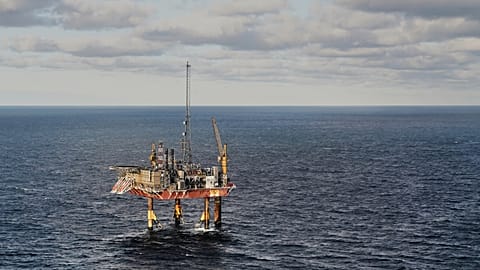
The declaration calls for an “unprecedented” cut to global greenhouse gas emissions, a move that would prove impossible without a rapid transition away from fossil fuels.
According to the UN, fossil fuels are by far the largest contributor to global climate change, accounting for around 68 per cent of the world’s greenhouse gas emissions and almost 90 per cent of all carbon dioxide emissions.
Chances of a fossil fuel-free future were delayed at COP30 last month, when the final deal omitted discussions of a phaseout roadmap. However, more ambitious countries seem to be pushing the quest for a fossil fuel phaseout roadmap outside of the COP process.
Carbon sinks
The declaration also calls for fast scaling of sustainable carbon removal from the atmosphere by protecting and restoring natural carbon sinks such as forests.
If carbon sources become degraded or deforested, they can actually release stored carbon back into the atmosphere. This has already occurred in parts of the Amazon rainforest, once referred to as the Earth’s lungs, as well as many forests in Africa and Southeast Asia.
Soil is another carbon sink that currently stores more than 2,800 gigatonnes of carbon in the top one metre. However, current rates of degradation risk huge carbon reservoirs in soils being released into the atmosphere to the tune of 4.81 billion tonnes of CO₂ each year - approximately the same annual emissions of the US.
Positive tipping points
The declaration urges world leaders to focus on triggering “positive tipping points” which can help accelerate the transition to low-carbon technologies and behaviours – preventing the Paris Agreement temperature limit of 1.5°C from being breached.
“An example can be seen in the plummeting price and rapid rollout of solar power and battery storage,” the declaration adds.
You can read the full Dartington Declaration here.