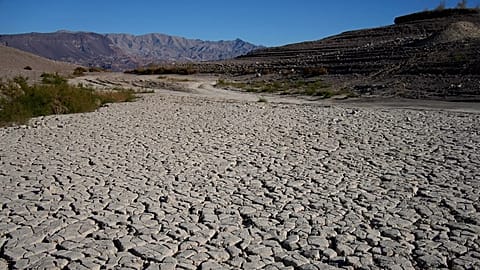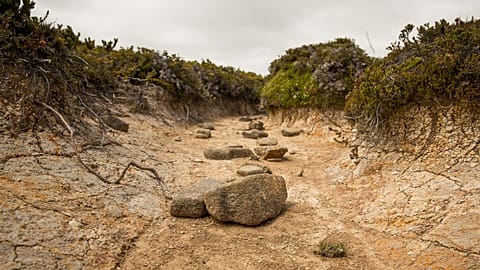






























The drought situation in Hungary is becoming increasingly worrying due to the persistent lack of rainfall. One year of the last five years' rainfall is missing. The situation is most severe in the Great Plain.
The drought in Hungary has worsened. In the most affected areas of the Great Plain, there is a hundred and twenty millimetres of moisture missing from the soil, and there are only eighty. It also means a water crisis.
 ADVERTISEMENT
ADVERTISEMENT
ADVERTISEMENT
HungaroMet's agrometeorological analysis warned that April this year has brought particularly bad weather from an agricultural point of view, with hardly any rainfall.
Over the last ninety days, rainfall has been twenty to seventy millimetres below average.
The soil surface is practically everywhere porous: the top twenty to thirty centimetres of soil is critically dry throughout the country, and the thirty to sixty centimetre layer is in an increasingly worrying condition.
Last year, 550,000 hectares were affected by drought damage, and insurers paid out almost HUF 40 billion in compensation. This year could be even worse, with 90% of the country's land already at risk from drought.
Some areas of Hungary have not had any rain for a month. The situation in crop production has also become critical.
The clock is ticking
To mitigate the damage and draw up an immediate water management plan, Péter Magyar has asked the future Tisza government's minister for the living environment to take charge. László Gajdos called for those who can to avoid cutting grass in May at least, because of the drought in April, saying that if it is cut often, much more watering is needed.
The Tisza Party wants to implement the new water conservation programmes with the involvement of the population and local farmers.
A deputy spokesman for the National Water Directorate tells Euronews that nearly one year of rainfall over the last five years is missing. Attila Szegi says that, to better allocate existing water resources, infrastructure needs to be made more flexible, and that the involvement of the population is key.
"Just yesterday, we were on a site visit with the Sárrét Water Fishermen along the Romanian border in the Little Sárret, where the water authority has been working with these NGOs for more than a year to retain water in the area," he explains. "Here, we use public works to deliver water based on the water resources of the Sebes-Körös and Berettyó rivers, and the NGOs provide significant assistance, for example, in the canals with filling, water management and, in coordination with our colleagues, where possible, they also discharge water into the landscape."
Rivers and lakes at risk
It is not only in the Great Plain that there is a water crisis. Hungary's rivers, standing waters and even groundwater levels are critically low.
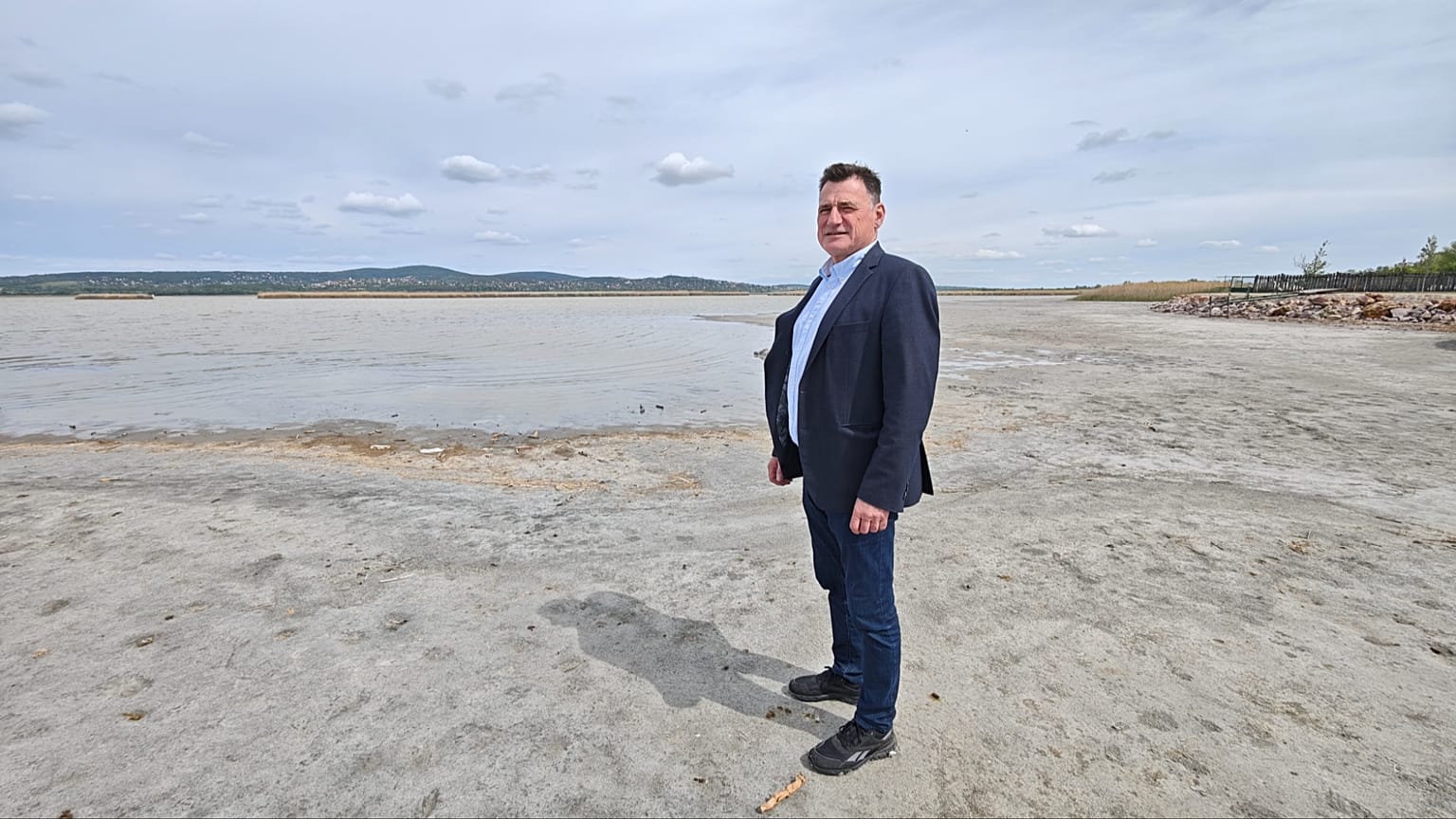
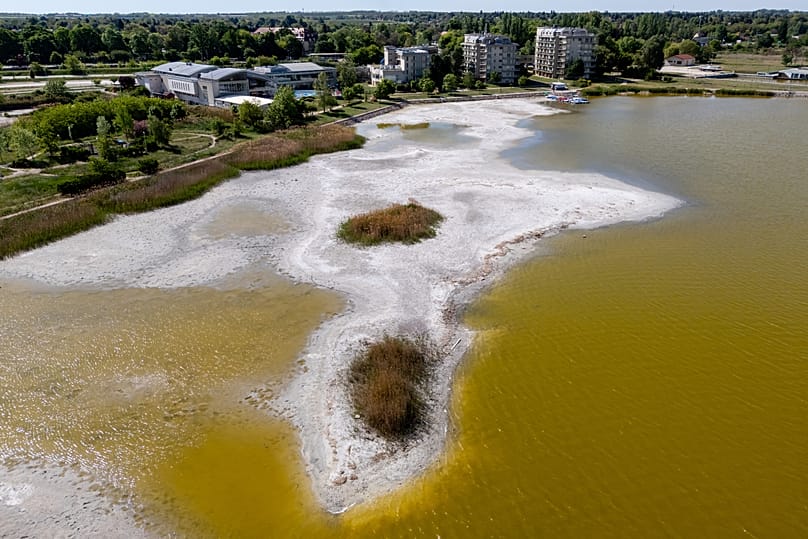
The water shortage is most evident on Lake Venice. There are stretches of shore where you can walk up to fifteen to twenty metres from the shoreline. If they had water, the lake would be supplied by two reservoirs, the Pátka and the Zámolyi, but these are practically dry. As there are no reserves and the periodic water supply is low, the lake's only natural source of water is the stream called the Emperor's Water.
The mayor of Gárdony, Árpád Pál Eötvös, tells Euronews that the water shortage has long been an issue among local town leaders. Transferring water from the Danube would only be a temporary solution; in the long term, only a new pipeline system would address the lake's situation.
"Since the city has been built on tourism for fifty to sixty years, it needs Lake Venice and the water in the lake, which is now visibly becoming scarce. We started this season with 81 centimetres, and now, unfortunately, the water level in Lake Venice is only 66 centimetres. The lowest water level was 53 centimetres. We will probably reach that by the end of June," he explains to our reporter.
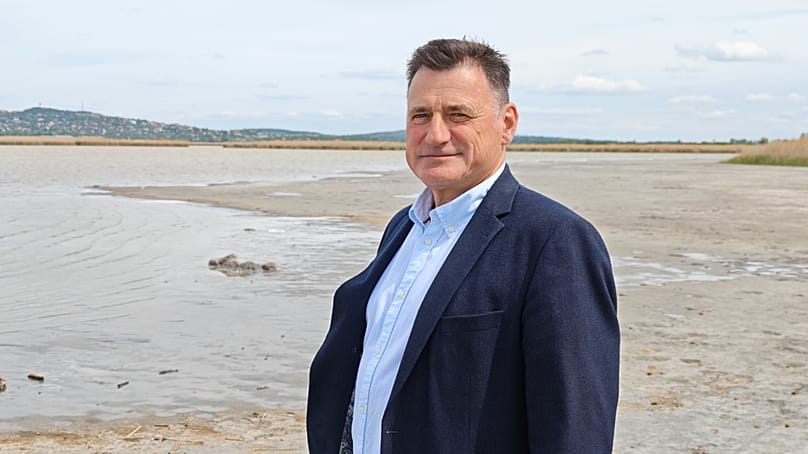
Árpád Eötvös Pál says that although he has initiated several programmes to save the lake's water resources, not all lake mayors have been cooperative with him. When he tried to stand up for the lake together with the region's mayors, "the independent mayors signed the letter he wrote, but the Fidesz mayors did not." The only explanation for this, he said, was that the people concerned did not want to confront the authorities openly.
The current water level is about sixty to seventy centimetres lower than what would be optimal.
According to the mayor, the local will to tackle the water shortage in Lake Venice has long been undermined by the outgoing government's State Secretary for Water Management, V. Zsolt Németh, and the outgoing Minister of State for Water Management has received a positive response.
After Tisza's election victory, the region's mayors are looking forward to Dr Viktória Bögi representing the constituency, as she has made protecting the lake a top priority in her campaign.