














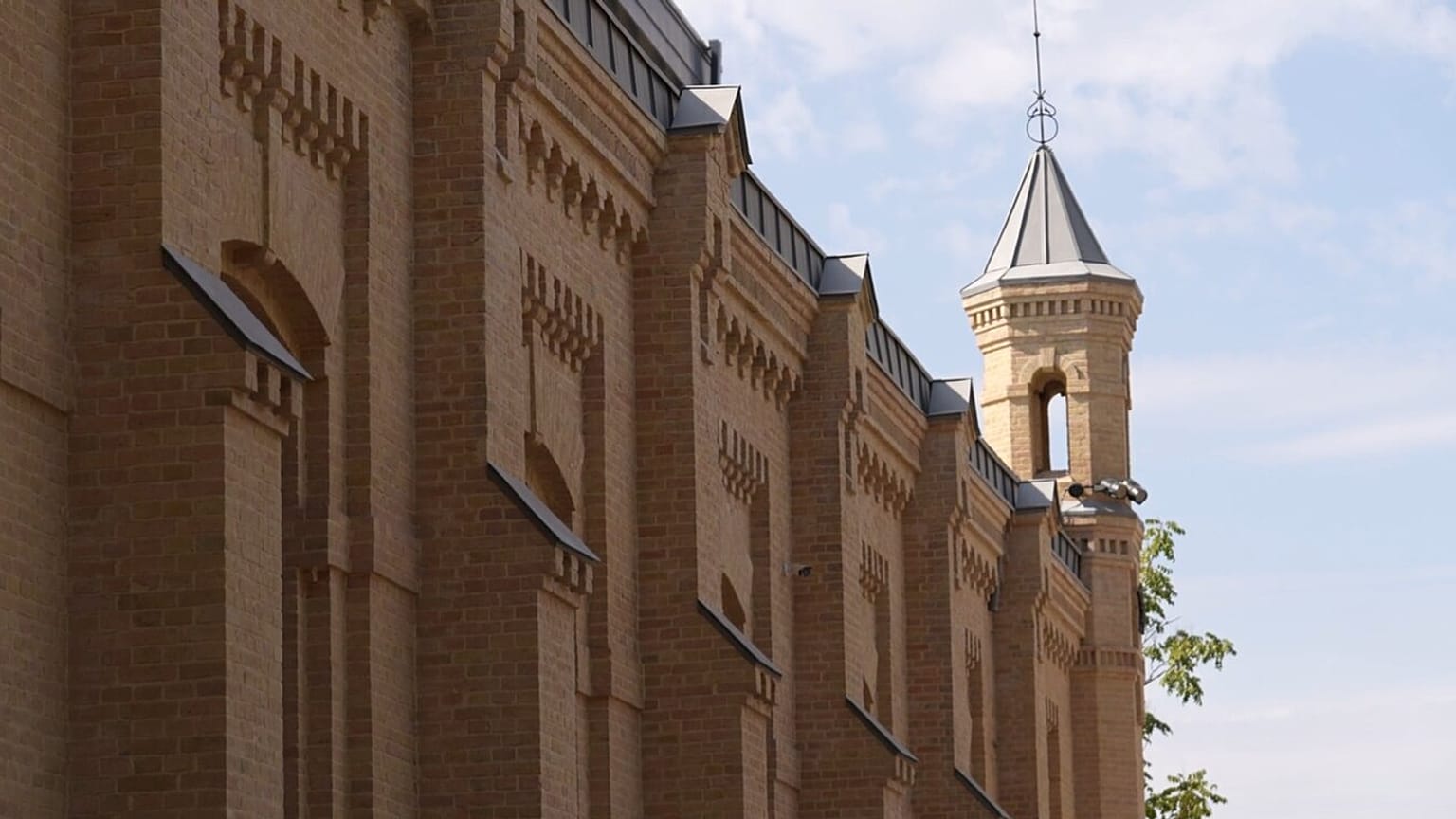














A former industrial site now houses Uzbekistan's first permanent centre dedicated to contemporary art. Its opening exhibition brings together local and international artists, while partnerships with major museums extend its reach abroad.
A former tram depot and diesel station dating back to 1912 has been transformed into Uzbekistan’s first permanent centre dedicated to contemporary art.
 ADVERTISEMENT
ADVERTISEMENT
ADVERTISEMENT
The Centre for Contemporary Arts Tashkent (CCA), redesigned by Paris-based Studio KO, brings exhibitions, performance, film, research and education under one roof in the Uzbek capital.
But its significance extends beyond the creation of another cultural venue in Tashkent. The centre brings artists from Uzbekistan into closer contact with the international contemporary art world, while developing partnerships with major cultural institutions in Europe, the United States and Asia.
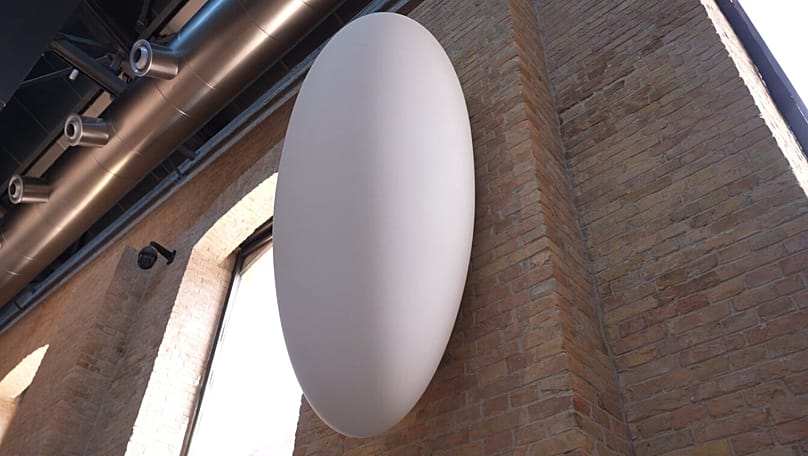
The centre adds a contemporary dimension to a country still better known internationally for the Silk Road architecture and historic heritage of cities such as Samarkand and Bukhara.
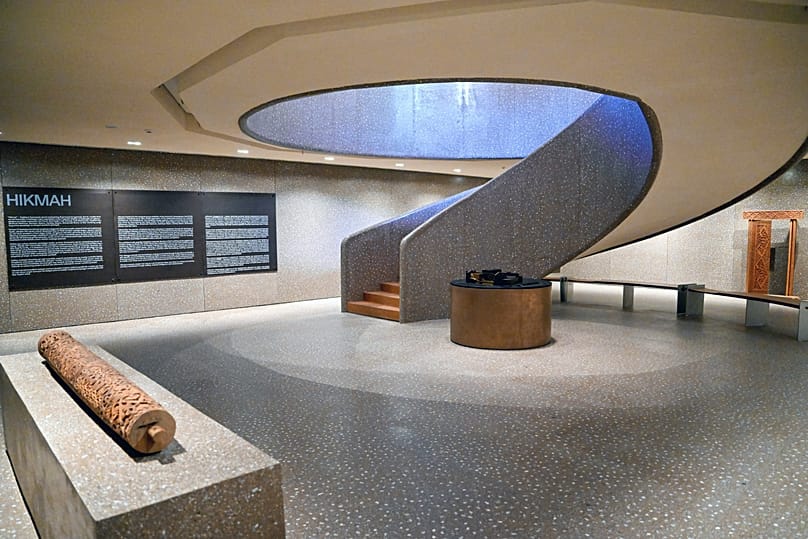
Inside CCA Tashkent
The restored complex retains the character of the original industrial site while introducing galleries, a library, educational areas, public meeting spaces, a concept store and a restaurant.
Its first exhibition, Hikmah, meaning “wisdom”, brings together 11 works by artists from Uzbekistan and abroad, including new commissions created specifically for the Tashkent space.
Among the international works is Flying Carpets (2011) by Berlin-based Tunisian-Ukrainian artist Nadia Kaabi-Linke, brought to Tashkent from the Solomon R. Guggenheim Museum in New York.
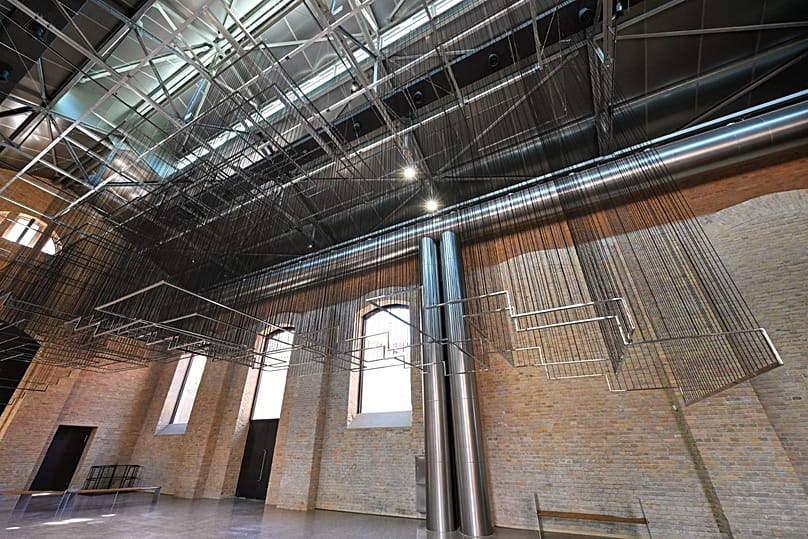
Inspired by informal street vendors in Venice who display goods on rugs that can be quickly gathered up, the installation transforms the dimensions of those rugs into suspended metal grids. The work contrasts the romantic image of a flying carpet with contemporary experiences of movement, migration and insecurity.
Jamaican-American artist Nari Ward approaches memory through everyday objects. For his work in Tashkent, he incorporated the traditional tool used to stamp decorative patterns into Uzbek bread, placing a familiar domestic object in a new artistic context.
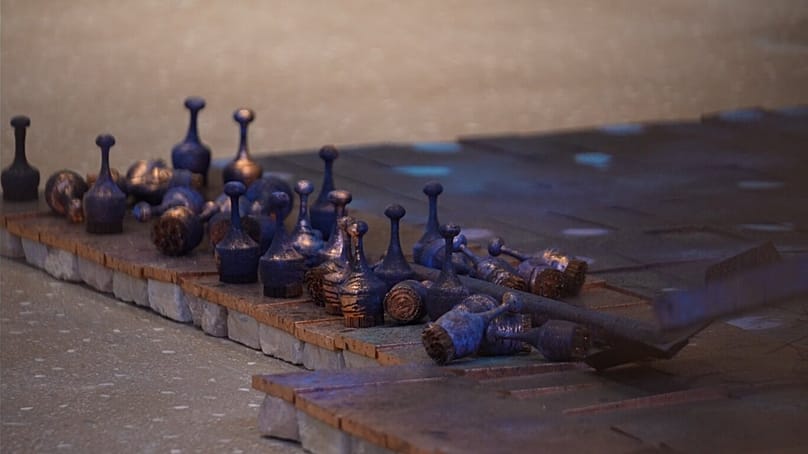
Uzbek artist Shokhrukh Rakhimov, a seventh-generation ceramicist, explores a different connection between the contemporary and the inherited.
His site-specific installation, The Colour of Silence, In Search of Truth (2026), uses ceramic forms and seven colours inspired by the teachings of Central Asian Sufi scholar Najmiddin Kubro.
“It’s a very nice stage where I can show my work to the world audience,” Rakhimov said, also pointing to the opportunity to collaborate with artists from other countries.
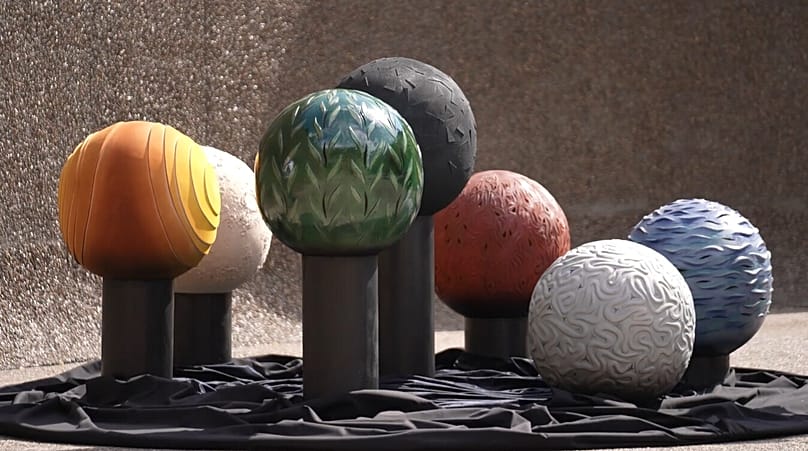
The exhibition also includes works that connect the new institution with the region’s modern artistic history, including Vladimir Pan’s Untitled (1981), from the collection of the State Museum of Arts of Karakalpakstan, widely known as the Savitsky Museum.
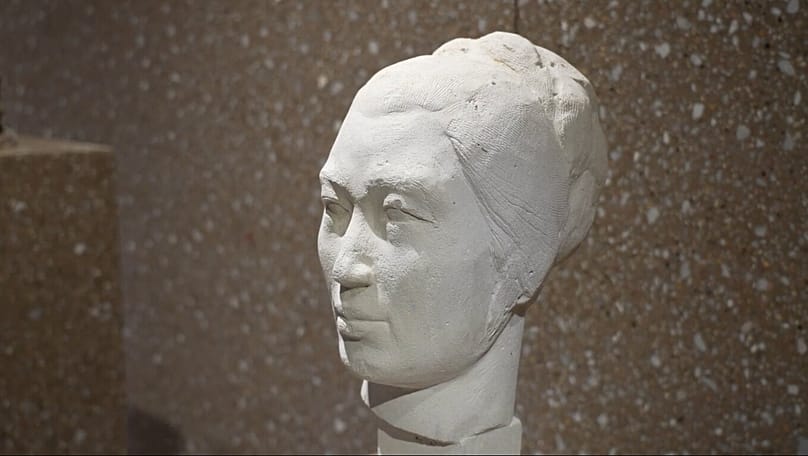
Connecting Tashkent with the international art world
Among those attending the opening was Mariet Westermann, Director and CEO of the Solomon R. Guggenheim Museum and Foundation.
“Any serious city for art around the world has both historic art and cultural heritage, but also very much the latest art, the art of our own time,” she said.
Uzbekistan President Shavkat Mirziyoyev visited the centre ahead of its public opening and presented the development of contemporary culture as part of the country’s broader cultural policy.
“Of course, it is natural for us to promote our great heritage and cultural treasures,” he said. “But promoting our contemporary history is also both our responsibility and our duty.”
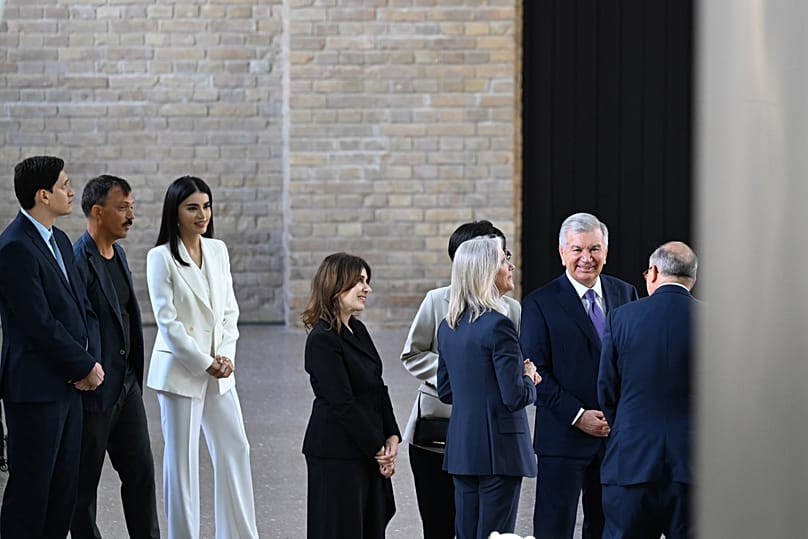
The Art and Culture Development Foundation, which is behind the project, says one of its priorities is to give artists in Uzbekistan greater access to international networks.
“The CCA is intended to provide a platform where young artists and Uzbekistan’s wider creative community can display their work, conduct research, exchange ideas and take part in programmes ranging from film to workshops,” said deputy director Azizbek Mannopov.
Beyond the gallery
The opening programme included workshops, poetry readings, screenings, discussions and performances, as well as Shashmaqom, the classical musical tradition associated with Central Asia.
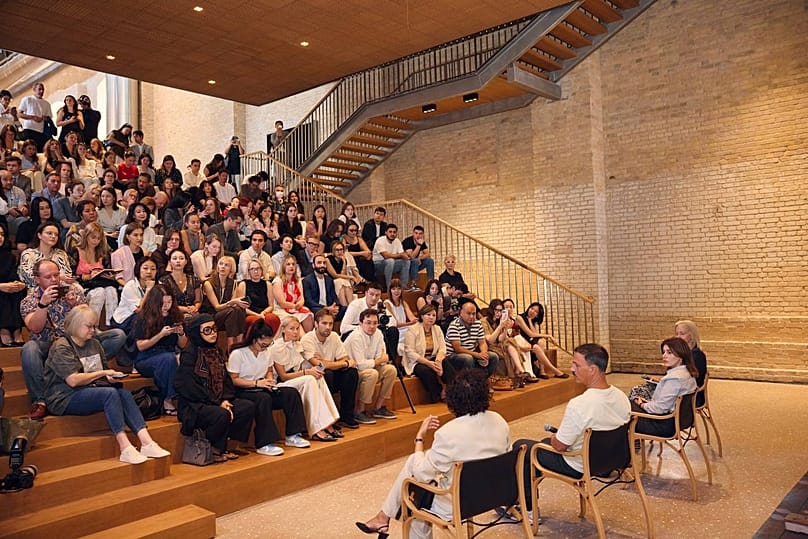
Westermann described the centre as a “living space”, somewhere visitors can not only view artworks but also learn how they are made, watch performances and engage with artists.
“What we open here today, I believe, shows what collective effort and genuine commitment to culture as a public good can achieve,” said Saida Mirziyoyeva, Head of the Presidential Administration of the Republic of Uzbekistan, at the opening.
Beyond Hikmah, CCA plans a year-round programme of exhibitions, research, residencies, film and performance, alongside collaborations with museums and cultural institutions abroad.