




























A prehistoric cave found near Foreidis in northern Israel is offering a rare glimpse into a little-known phase of human evolution. Sealed for hundreds of thousands of years, the site preserves tools, animal remains and evidence of prolonged occupation.
Archaeologists seldom encounter a site that has remained virtually untouched by natural and human interference for hundreds of thousands of years.
 ADVERTISEMENT
ADVERTISEMENT
ADVERTISEMENT
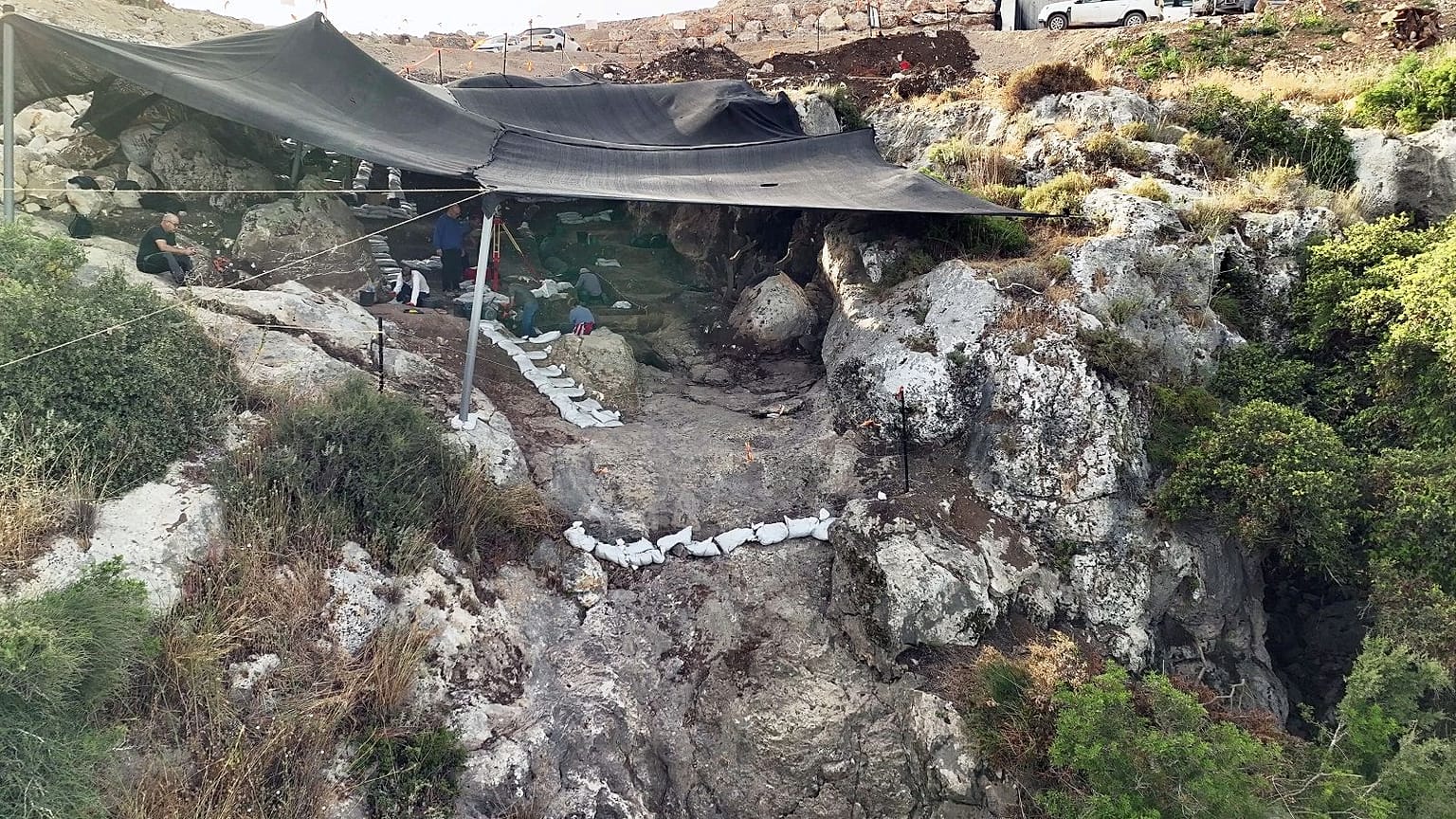
That is precisely what has been found in a cave on the outskirts of Foreidis, near the Zichron Yaakov junction, where researchers from the Israel Antiquities Authority and the University of Haifa are excavating a site dated to between 400,000 and 250,000 years ago.
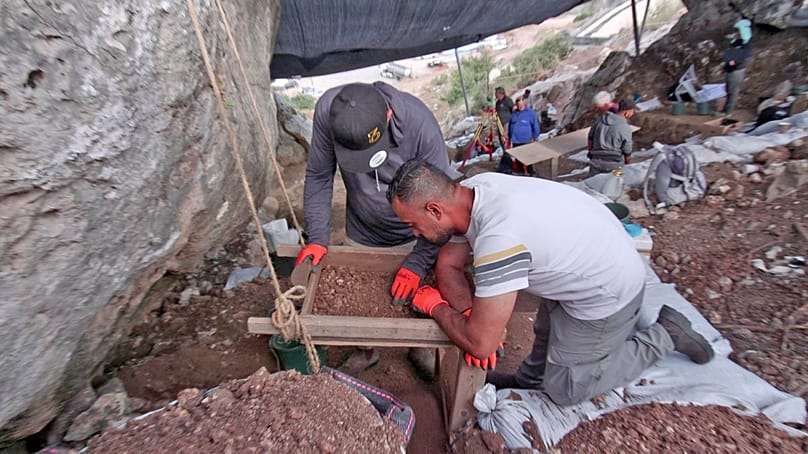
The excavation is led (source in Spanish) by archaeologist Kobi Vardi and Amit Gabay, together with Professor Ron Schimmelmitz. The team describe the site as one of the most significant discoveries of recent decades for understanding a stage in human evolution for which very little evidence has been preserved.
The cave is associated with the so‑called Acheulo-Yabrudian culture, a technological tradition characteristic of the Levant during the late Lower Palaeolithic. According to the researchers, its exceptional state of preservation makes it a genuine “time capsule” capable of yielding information that is difficult to obtain at other sites in the region.
A decisive moment in the history of our species
The period to which the site belongs predates the spread of Neanderthals and anatomically modern humans. Specialists view it as a time of profound change in ways of living, relating to one another and adapting to the environment.
According to Schimmelmitz, during these millennia behaviours began to emerge that would later become commonplace among human populations. These include the formation of larger groups, the long-term occupation of specific places and a more complex social organisation.
The evidence recovered also points to an intensive use of fire and to relatively long stays in caves, something usually associated with greater cooperation between individuals and the systematic transmission of knowledge within communities.
The researchers believe that these changes laid some of the cultural and technological foundations that would later characterise Neanderthals and Homo sapiens.
Tools, animals and a landscape rich in resources
Among the finds already documented are numerous flint tools produced using techniques that were advanced for the time. Archaeologists have identified small hand axes, scrapers and cutting blades made with great precision.
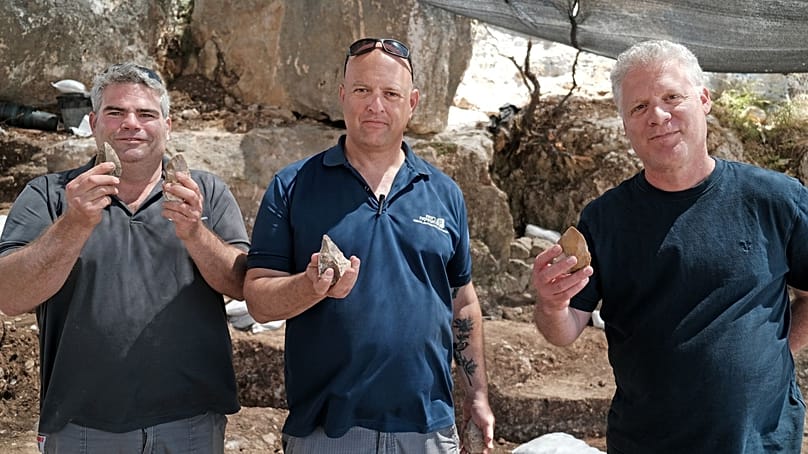
The excavation has also brought to light animal bones from species such as horses, deer and wild asses. Alongside them were traces indicating the presence of water in the surrounding area, a resource that would have made the site particularly attractive to groups of hunter-gatherers.
Vardi compares the scientific importance of the discovery to that of the renowned Nahal Me'arot site (source in Spanish), designated a UNESCO World Heritage Site and also crucial for the study of prehistory in the Levant.
The Israel Antiquities Authority and the University of Haifa plan to develop an extensive research programme to reconstruct in greater detail how these human groups lived, how they exploited the resources available to them and how their technologies evolved.
Once the studies have been completed, the institutions involved hope to prepare the site for public visits, with the aim of bringing these discoveries closer both to local residents and to students and visitors interested in human evolution.