




























A research team based in Cáceres has found human DNA more than 2,000 years old on cave walls in Spain and Portugal, a discovery that could transform the study of prehistory.
A research project coordinated from Cáceres has succeeded in recovering human DNA more than 2,000 years old in caves in Spain and Portugal, a breakthrough that opens up new possibilities for reconstructing the history of prehistoric populations.
 ADVERTISEMENT
ADVERTISEMENT
ADVERTISEMENT
Led by Hipólito Collado and carried out with the participation of teams from Spain, Portugal, the United Kingdom, Germany and China, the study shows that rock surfaces are capable of preserving traces of human genetic material over thousands of years.
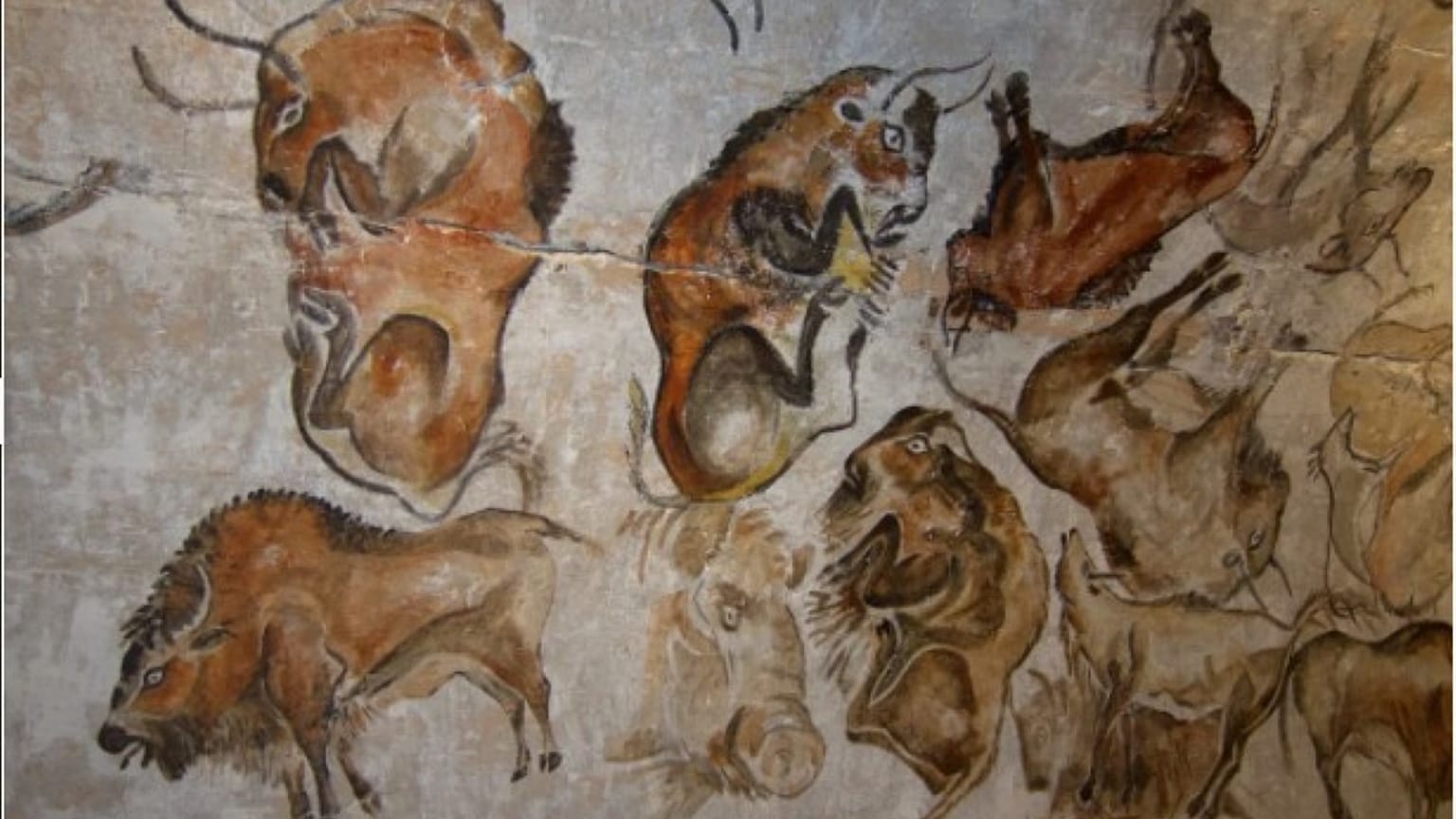
The paper, published in the journal 'Nature Communications', forms part of the First Art project, which grew out of research into the rock art in the Maltravieso cave in Cáceres, where some of the oldest paintings in Europe have been identified.
Regional broadcaster 'Canal Extremadura' has shared a video on X of the project in the Maltravieso cave "which shows the preservation of DNA in rock art and opens up new scientific avenues":
Genetic material on rock-art surfaces
Building on that experience, the project expanded its geographical and scientific scope with the aim of dating the oldest artistic expressions on the Iberian Peninsula and analysing their chemical composition.
In collaboration with researchers from Germany's Max Planck Institute for Evolutionary Anthropology, the team also incorporated the study of ancient DNA into its work.
The research therefore explores the possibility of recovering genetic material directly from rock-art surfaces, a source that until now had never been tapped, as opposed to the substrates traditionally used, such as bones, sediments or bone tools.
The study analysed 24 rock-art panels from eleven caves in Spain and Portugal using advanced genetic extraction and sequencing techniques. The scientists found ancient human DNA not only on a pigment-covered surface in Portugal's Escoural cave, but also in unpainted areas of that site and of the Covarón cave in Asturias.
Genuine "biological archives" of past human activity
This is the first evidence that cave walls can preserve human DNA for thousands of years, a discovery that opens up new possibilities for studying how prehistoric populations occupied and used these spaces.
The human DNA recovered is at least 2,000 years old, demonstrating the ability of these surfaces to retain biological traces over long periods of time and opening up a new avenue of research in the field of archaeogenetics.
Of the samples analysed, three came from women, one from a man and another could not be assigned to either sex with certainty.
The researchers argue that cave walls could act as genuine "biological archives" of past human activity, which would make it possible in future to extend this type of analysis to other sites and artistic expressions using minimally invasive techniques.