














Growing research – including ancient DNA technology – is changing the picture of human evolution and how our ancestors interacted with other human-like creatures.
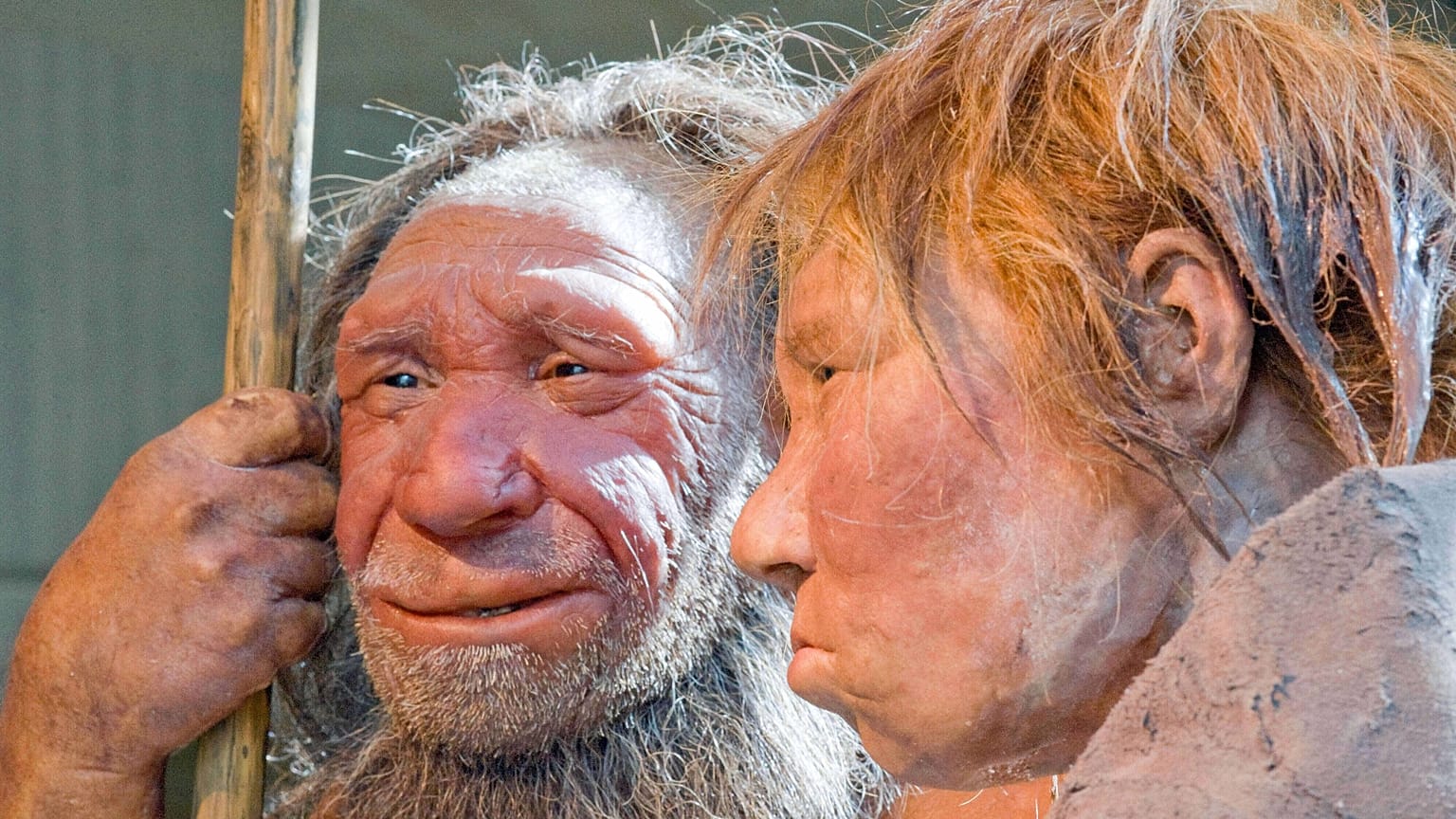
If the simplest explanation is often the most likely, then a new study suggests Neanderthal males and human females did what couples do naturally when they got together when they lived in the same area.
 ADVERTISEMENT
ADVERTISEMENT
ADVERTISEMENT
Did human women venture into Neanderthal populations, or were the Neanderthal males drawn to larger human enclaves? Were these interactions peaceful, confusing, secretive or even violent?
What we don't fully know is how these meetings exactly happened and why.
However, a report recently published in the journal Science, shows more pairings were female humans with male Neanderthals.
The study shows “that whenever Neanderthals and modern humans have mated, there has been a preference for male Neanderthals and female modern humans, as opposed to the other way around,” said author Alexander Platt, who studies genetics at the University of Pennsylvania.
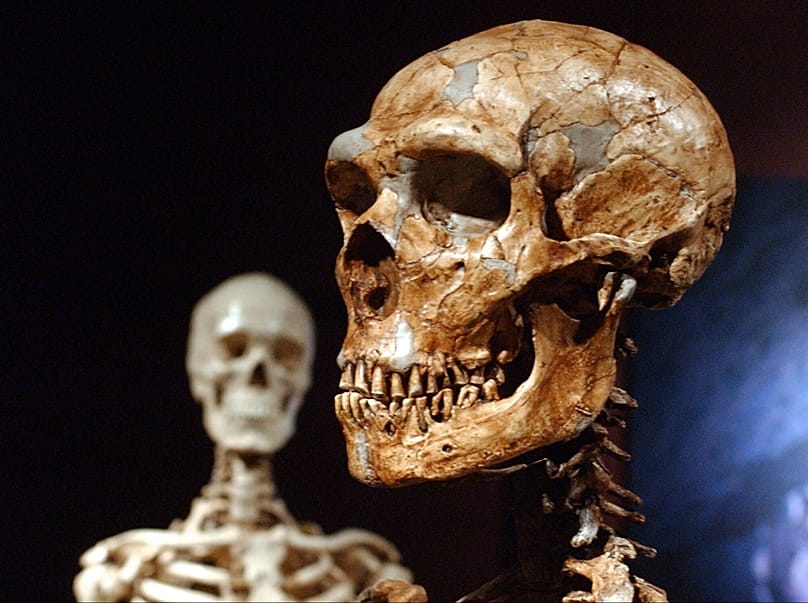
Location, location, location
Scientists know that Neanderthals and humans mated because there is a small but important percentage of Neanderthal DNA in most modern humans outside of sub-Saharan Africa — including genes that can help us fight some diseases and make us more susceptible to others.
But they have also known that the Neanderthal DNA is not distributed evenly throughout the human genome.
Scientists thought that maybe the genes in those locations were simply not beneficial — or even harmful. Perhaps people with those gene patterns didn’t survive as well so those genes were filtered out by evolution over time.
Or, they thought, maybe the difference could be explained by how the two species intermingled.
To try to solve the riddle, Platt and colleagues looked instead at the Neanderthal genome and the human DNA that got interspersed during a “mating event” 250,000 years ago.
The most likely explanation for this is mating behavior. That's because of the way sex chromosomes are passed from parents to children, explained Platt. Because genetic females have two X chromosomes and genetic males have one X and one Y chromosomes, two out of every three X chromosomes in a population, on average, are inherited from people’s mothers.
If more human females mated with Neanderthal males than the other way around, over thousands of years you would expect to see just what they found: more human DNA in Neanderthal X chromosomes and less Neanderthal DNA in human X chromosomes.
For more on this research watch the video in the above player.