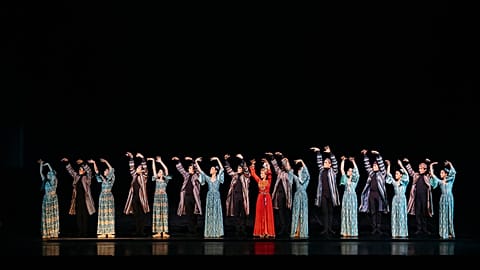
















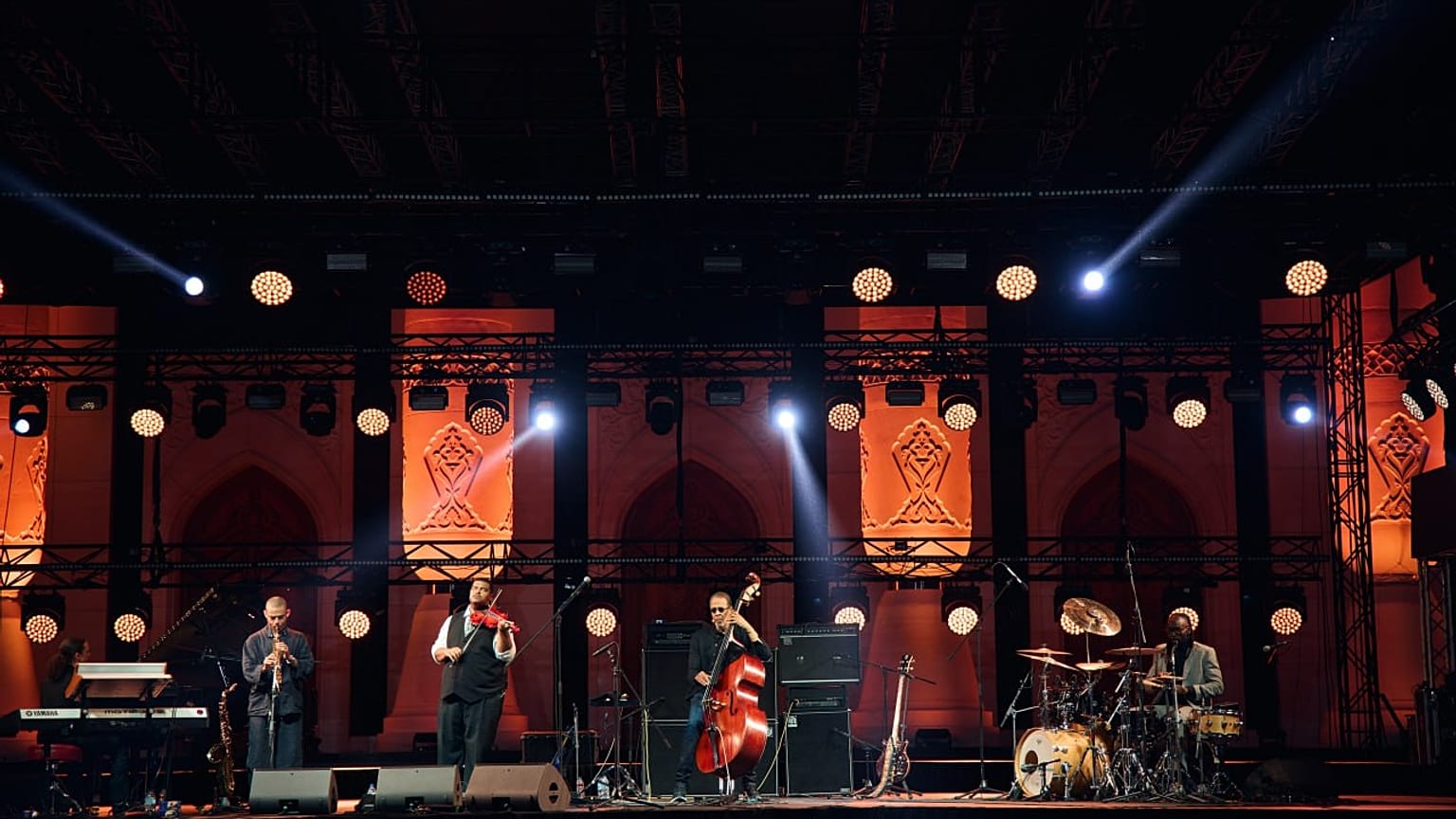













The Tashkent International Jazz Festival brought together artists from Europe, the Americas and Central Asia through a series of free open-air performances. Organisers say audience numbers and international interest are increasingly growing.
On a warm April evening in Tashkent, thousands of people gathered outside the Palace of International Forums for the opening days of the International Jazz Festival.
 ADVERTISEMENT
ADVERTISEMENT
ADVERTISEMENT
Some stood close to the stage, while others sat on the grass with friends and family spread across the open space behind them.
On giant screens flanking the stage, close-up shots of Stanley Clarke’s band showed musicians fully absorbed in the performance.
Among the crowd, seasoned jazz listeners stood alongside people experiencing the genre for the first time, separated by age and familiarity, but watching the same stage.
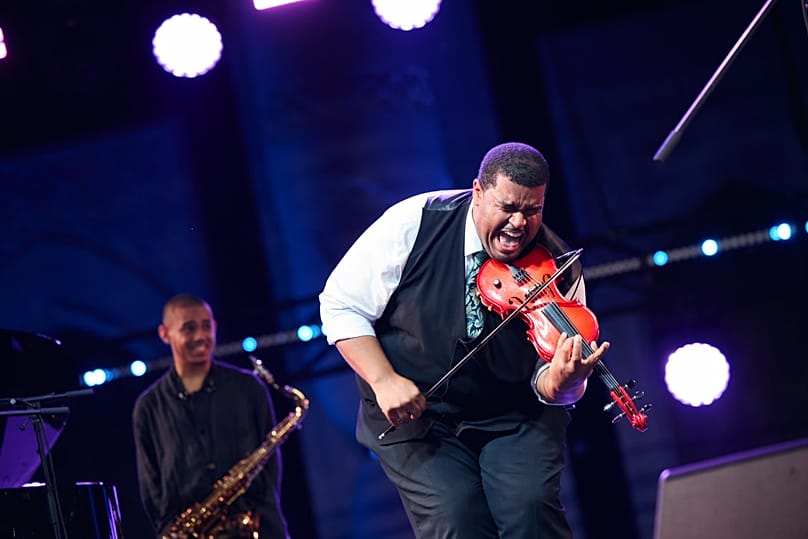
Clarke has four Grammy awards, recorded music for more than five decades and collaborated with artists including Miles Davis and the Rolling Stones.
Muhitdin Jalolov was sat on the grass during Stanley Clarke's concert, with his two grandsons beside him. “I wanted to show them what music for the soul sounds like,” he said.
Clarke understood this well.
"When I was 19, I played with older musicians and learned a lot of lessons," he said. "Now I am the older musician and the drummer plays with me since he was 16, the piano player since he was 18. That is how our music moves through time."
The festival is organised by Uzbekistan Art and Culture Development Foundation under the auspices of UNESCO.
This year’s line-up included Stanley Clarke, Incognito, GoGo Penguin, Tigran Hamasyan and the Kurt Elling quartet, alongside ensembles invited by the embassies of Romania and Israel. The closing night was dedicated entirely to Uzbek musicians, led by People’s Artist of Uzbekistan Mansur Tashmatov.
A night in the rain
Rain fell during a performance by Gunhild Carling the night before Incognito’s concert. Bluey Maunick was in the crowd. Nobody left.
“I have travelled around the world, and one thing that matters is having people connected to what you are doing,” he said. “When I saw the crowd stay in the rain, I knew we would connect with Tashkent.”
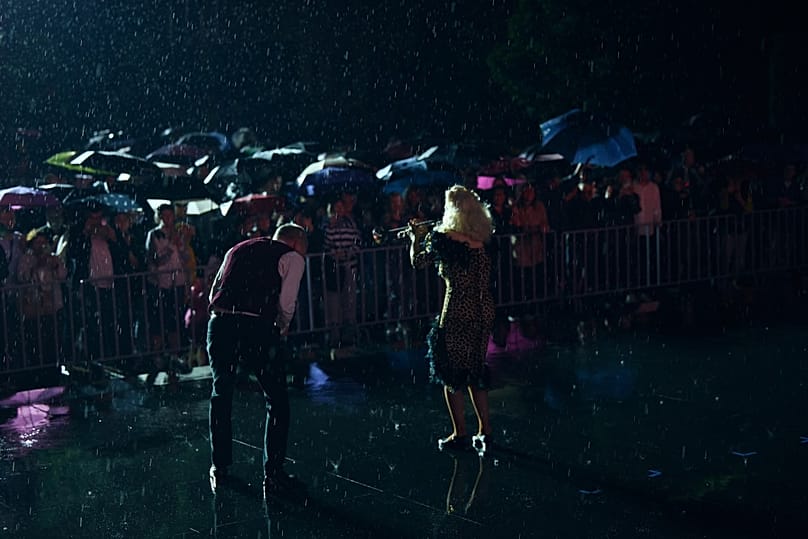
Among the audience that evening was Saga Almen, a Swedish tourist visiting Uzbekistan’s historic cities. The festival was not the reason she booked the trip, but it became part of the experience.
“When I heard about the jazz festival in Tashkent, I wanted to try it,” she said. “I was lucky to listen to Gunhild Carling, whose fan I have been since childhood. We are both from Sweden, and it feels extraordinary that we met here in Tashkent.”
Tashkent on and off stage
For Incognito founder Bluey Maunick, it was a first visit to Tashkent. Vocalist Tony Momrelle was returning for the third time.
“My musical journey has taken me around the world and introduced me to many beautiful people and cultures,” Momrelle told Euronews. “But it is the people who make a city, and in Tashkent people have only shown love.”
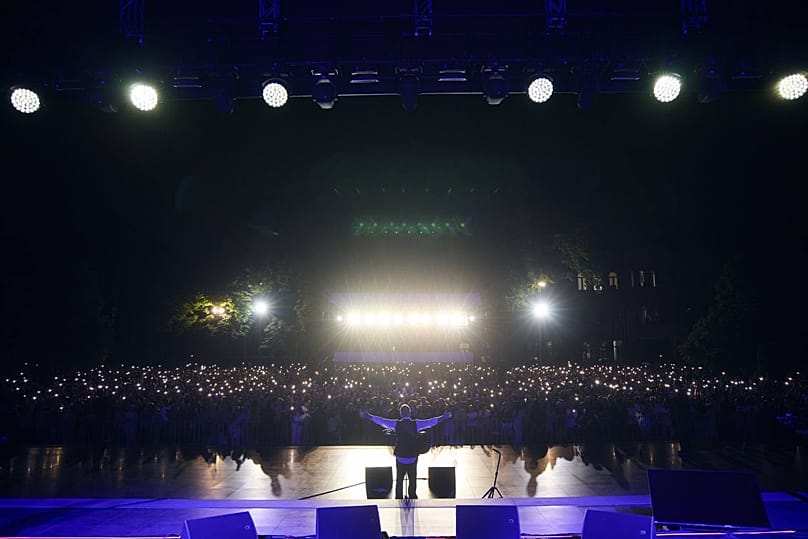
Maunick also praised the production standards.
“The crew, the equipment, everything here is first class,” he said.
He was equally direct about why the performance mattered.
“Every day, somewhere in the world, someone needs energy from music. This time it is Tashkent,” he said. “Music entertains, heals and teaches. To continue creating, you need new experiences. For us, this is one of them.”
A city that returns
Madina Azimova, a retired piano teacher who lives near the festival venue, has attended every edition since the festival launched.
“In the first years I came alone, but now I come with friends I met here,” she said, surrounded by people gathered close to the stage. “For us, spring is now associated with the jazz festival. I know many of the international artists, but every year I also discover local bands.”
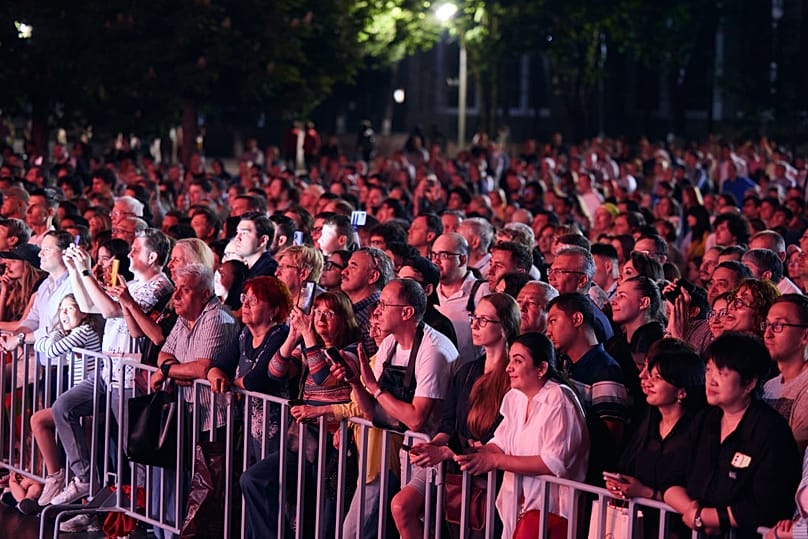
According to the Foundation, audience interest has grown steadily, with attendance increasing and more visitors arriving from abroad.
Beyond Uzbekistan
The International Jazz Festival launched in 2016, the same year Uzbekistan began pursuing greater openness to international exchange in tourism, diplomacy and culture.
The Uzbekistan Art and Culture Development Foundation says the festival’s format, including free admission, open-air performances and an international line-up, is central to attracting artists and audiences alike.
“For many musicians, this is a unique opportunity to present their work to a broad and diverse audience,” the Foundation said.
“Over time, artists increasingly see participation not simply as a concert, but as a meaningful cultural event.”
The Foundation added that the festival’s tourism impact has grown alongside its international reputation.