





























From sculptural water vessels to spice-filled kitchens, Qatar’s Venice Biennale exhibition explores identity, hospitality and cultural exchange across the Arab world and its diasporas through sound, movement and shared meals.
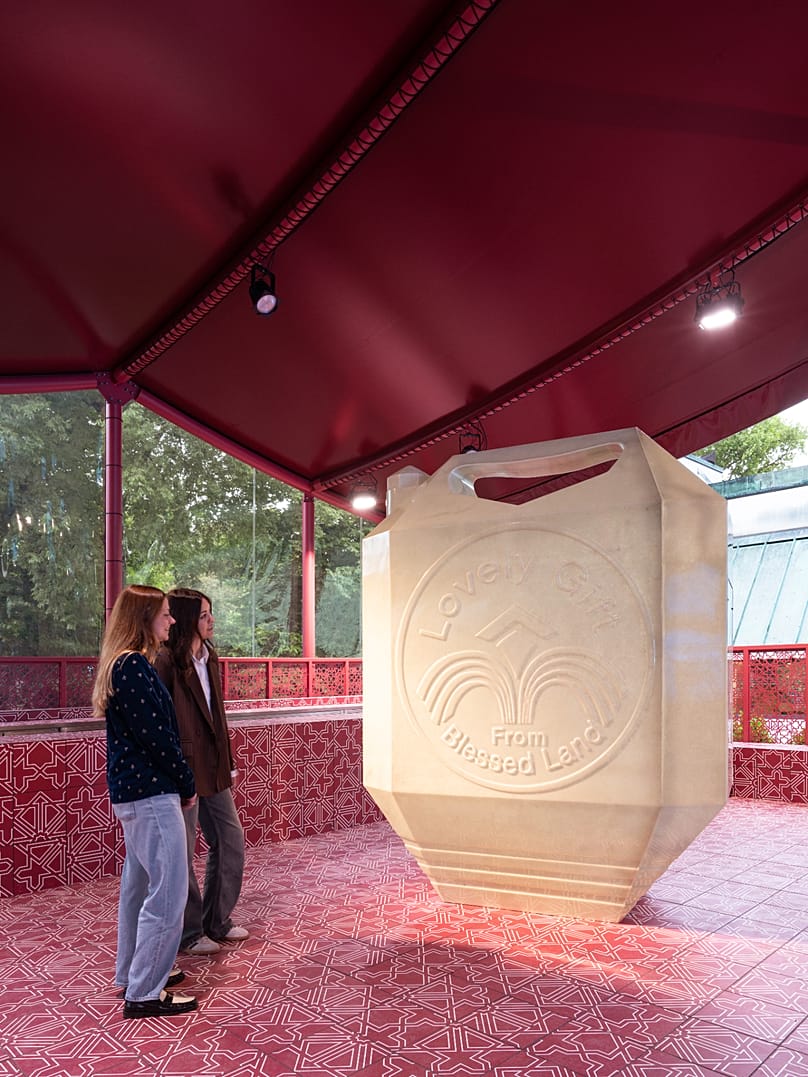
Just inside the entrance to Qatar’s Venice Biennale exhibition stands a giant sculptural water vessel towering above visitors as they walk in.
 ADVERTISEMENT
ADVERTISEMENT
ADVERTISEMENT
The work, called “Jerrican,” was created by Kuwaiti-Puerto Rican artist Alia Farid and draws inspiration from traditional Gulf containers used to offer water to travelers crossing the desert.
For Farid, the piece is about much more than the object itself.
“I’m thinking about how modernity sort of reconfigures community and ritual,” she said. “The work I’m showing is related to a tradition in the Gulf around offering water to travelers in the desert.”
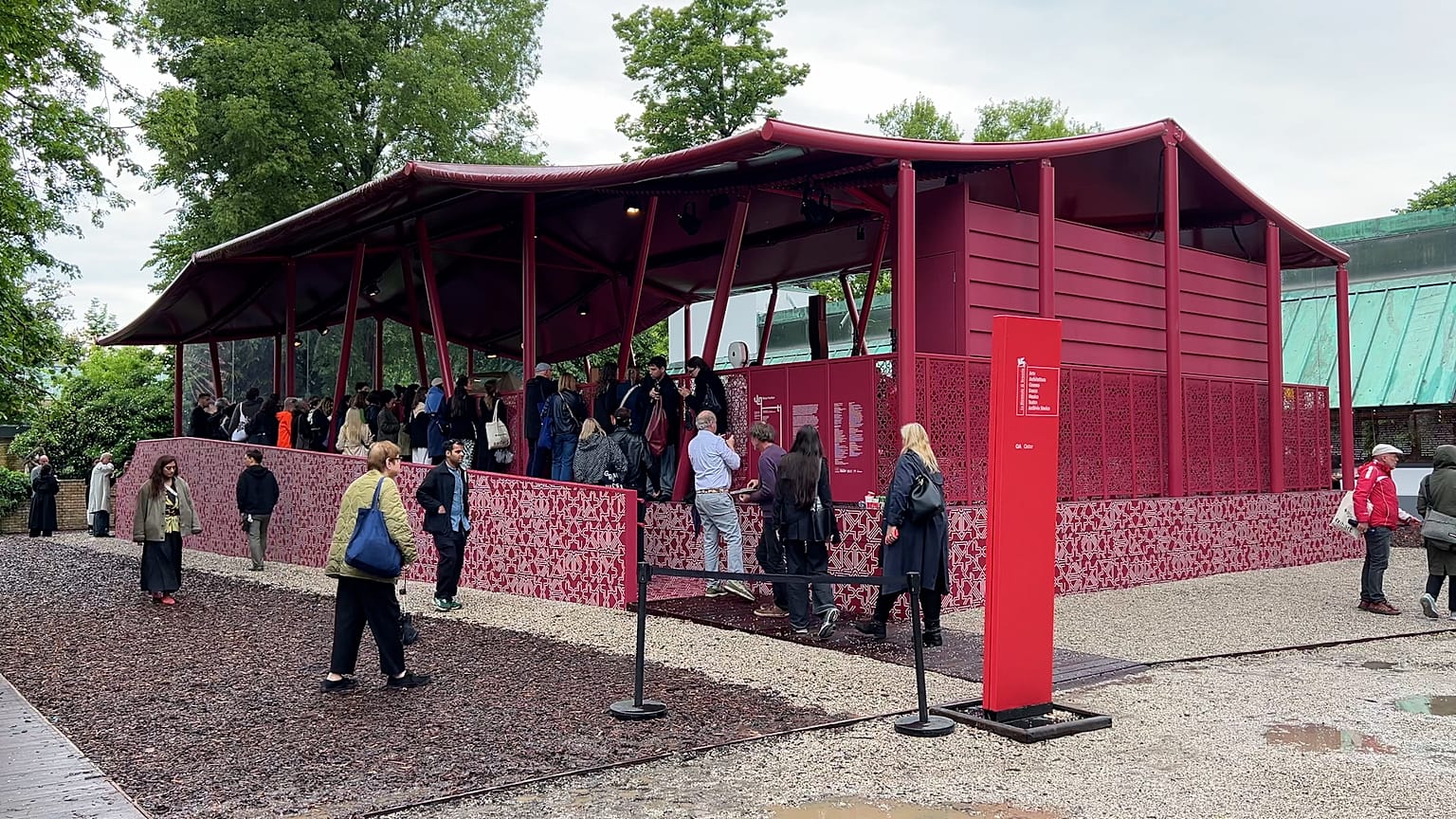
The temporary exhibition activates the future site of Qatar’s permanent pavilion in the Giardini and brings together artists, musicians and chefs from across the Arab world and its diasporas.
Inside, visitors move between performances, film screenings and kitchens serving dishes inspired by flavours from across the Middle East.
Tracing history through food
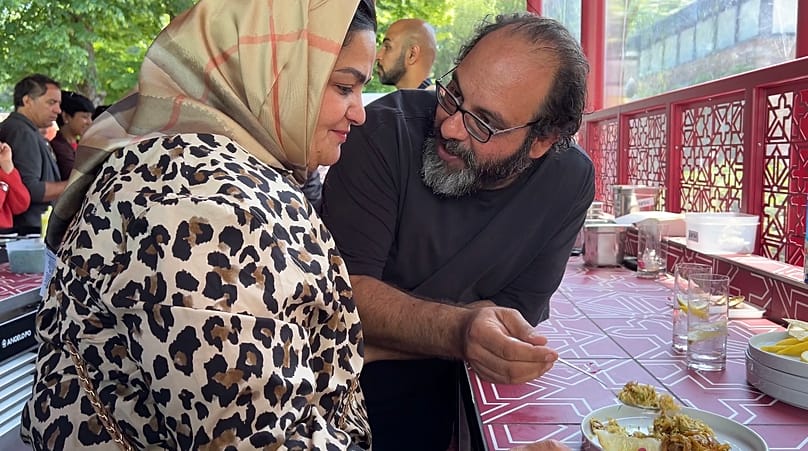
Palestinian chef Fadi Kattan curated the exhibition’s culinary programme, bringing together chefs from Qatar, Bahrain, the UAE and beyond.
For him, Venice itself carries historical significance.
“From the 13th to the 15th century, all spices that came to Europe came through the Arab world into Venice,” Kattan said. “So it’s like a thousand years later, “Hello, we’re still here.”
Even the drinks served inside the pavilion reflect those layers of cultural exchange.
“With the drink that was developed by the team, it has sumac, zaatar, fenugreek, mahlab,” Kattan explained. “Basically every country of the region has somehow contributed to a part of it. That is the strength of art and food and culture.” Qatari chef Noof Al Marri says food becomes a way of sharing stories across cultures and generations.
“We can bring all people together in one table and share, and everyone is happy,” she said. “Share the story.”
A space designed for gathering
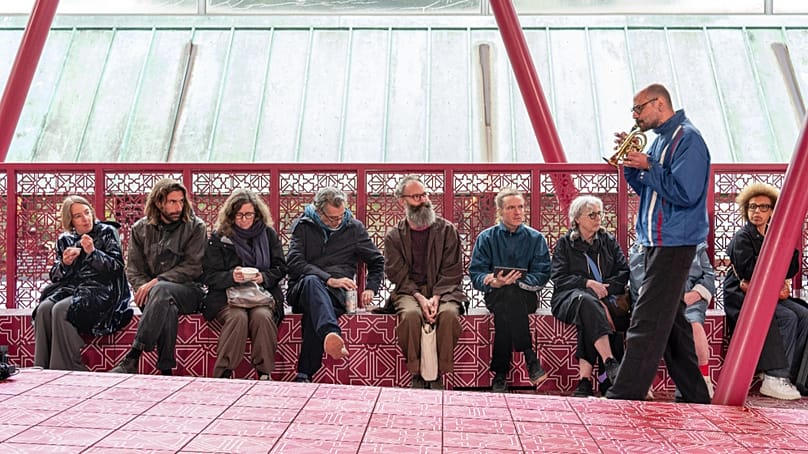
Visitors are encouraged to sit, eat, listen to music and spend time inside the space rather than simply walk through it.
“People are talking, they’re drinking juices, they’re eating food, they’re listening to music, they are watching the film, and they’re hanging out here,” said co-curator Ruba Katrib.
“So it’s really about a gathering space, a space of coming together.”
That evolving atmosphere is exactly what organizers hoped to create.
Rather than a static exhibition, the pavilion shifts constantly through sound, movement and interaction, shaped as much by the visitors inside it as the artworks themselves.