
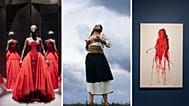




























A new exhibition at MAS Antwerp explores martial arts as culture, identity and community, bringing together global traditions and local stories beyond the fight.
Fighting is one of the oldest things humans do. But according to a new exhibition, there is a deep cultural and philosophical meaning behind different fighting techniques in martial arts.
 ADVERTISEMENT
ADVERTISEMENT
ADVERTISEMENT
At Antwerp's Museum aan de Stroom (MAS), “Martial Arts” opens on 3 April, looking at everything around its disciplines, movements, identity and role in the community in the Dutch port city and around the world.
The exhibition will also gather objects, stories and people to exploring martial arts' history and heritage to ask visitors a simple question: why do people practise martial arts?

To answer the question, the exhibition is organised around five themes: body, mind, fight, society and beauty.
It moves from physical training to mental wellbeing, from combat and competition to social identity, and finally to movement as something visual and expressive.
According to curator Rachid Atia, these themes often overlap, showing the cultural depth of martial arts.
“By telling the history of martial arts, you can also tell the history of the city,” says Atia.
In the early 20th century, boxing and wrestling were part of everyday life in the port city, tied to work and entertainment. Over time, new disciplines arrived through global exchange and migration, shaping the diverse scene that exists today.
Through the display of various historical objects and artworks, the exhibition shows the links between fighting traditions from across the world, from Asian martial arts to African and European practices.
Even in pop culture, film clips, posters from legendary era-defining fights like Rumble in the Jungle and visual material are presented to illustrate the diverse roles martial arts have played in society.
Martials arts beyond fighting
The central idea of the exhibition shows that martial arts are not only physical.
Training builds strength, but also focus, discipline and routine. For many practitioners, it becomes part of daily life rather than something separate from it.

It is also about what happens beyond training. “It’s not just an end in itself, but a way of developing soft skills and fostering connections,” she added.
That balance between body and mind runs through the exhibition, alongside a deeper link to religion, philosophy and the self.
Some martial arts are presented not just as physical disciplines, but as ways of practising self-control, spiritual focus and personal growth.
One example is the section on the Iranian tradition, zurkhaneh, where physical training is paired with poetry, ritual and music.
The exhibition also points to martial arts lineages in which teachers pass down not only techniques, but values, principles and a whole way of carrying oneself.
Home heroes
Local fight clubs and practitioners in Antwerp have also brought in photographs, posters, and personal archives, for visitors to delve deeper into the city's history.
These sit alongside contemporary images of the same communities today, showing how practices are passed on and reshaped over time.
“It’s about intergenerational connections and the transfer of heritage,” says Roselyne Francken, curator of “Martial Arts”.

Currently, visitors get to see "old versus new"pictures of dojos and fighting rings, not only in Europe but world wide, through large photographs hung around the escalators at MAS.
Get ready to rumble
Interactivity is also a key highlight of the exhibition.
Visitors will be able to step into a boxing ring, try to follow a kung fu sequence using motion tracking, or train on equipment like punching bags and a wooden dummy.
These are placed alongside audio and video testimonies from practitioners in Antwerp, giving a sense of how martial arts are performed today.
The curators of the exhibition ask visitors to come in with an open mind and see the rich cultural, art and heritage of martial arts.
“Martial Arts” opens on April 3 at the MAS Museum in Antwerp. Tickets and visitor information are available on the museum’s official website.