













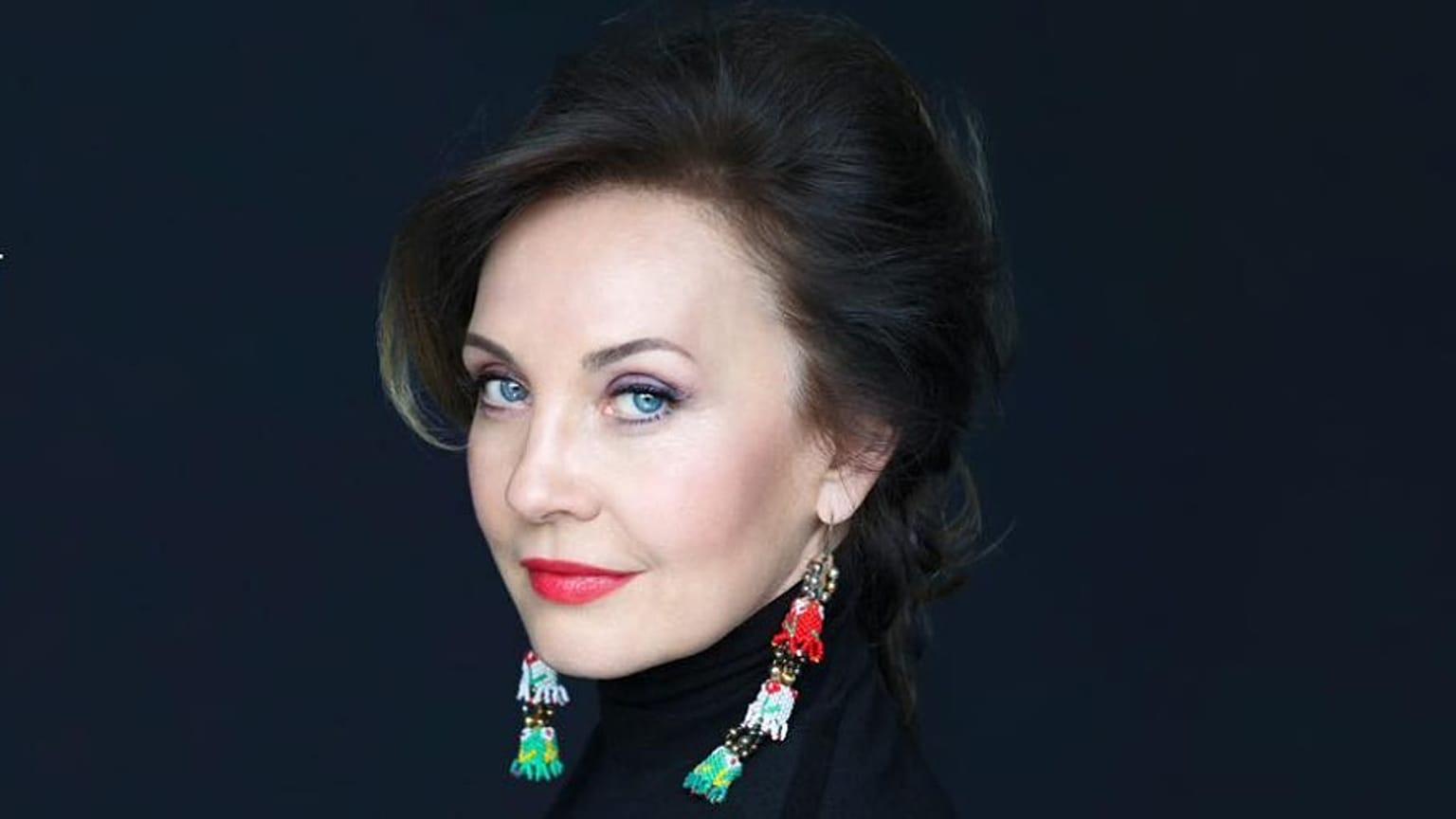














After switching from performing to politics, the famous soprano Andrea Rost has lost a lot because of her decision to campaign for change. Now she's in unchartered waters and despite facing a barrage of personal attacks, the singer sees her new status as both a challenge and an inspiration.
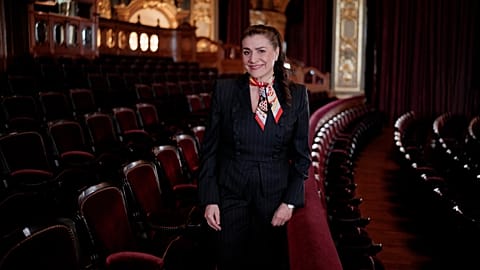
Perhaps the most extraordinary thing about meeting Andrea Rost, a renowned soprano who's graced the world's greatest opera stages, is that she is incredibly down-to-earth.
 ADVERTISEMENT
ADVERTISEMENT
ADVERTISEMENT
Rost has traveled the world for decades, performed some of the most well known roles for a soprano and developed a large international following.
She has been living permanently in Hungary since 2010, during which time she has made a few forays into other genres – with choreographer Pál Frenák and the Hot Jazz Band, for example – read audiobooks and presented her own jewellery collection. A few years ago, she even founded her own opera academy.
More recently, she's changed track completely. In addition to supporting young talent, she has been focusing on public engagement and campaigning for political change.
For almost two years, the artist, who is determined to convey the message of music, has been mobilising huge crowds in Hungary, even those who are not necessarily familiar with classical music, in the political arena.
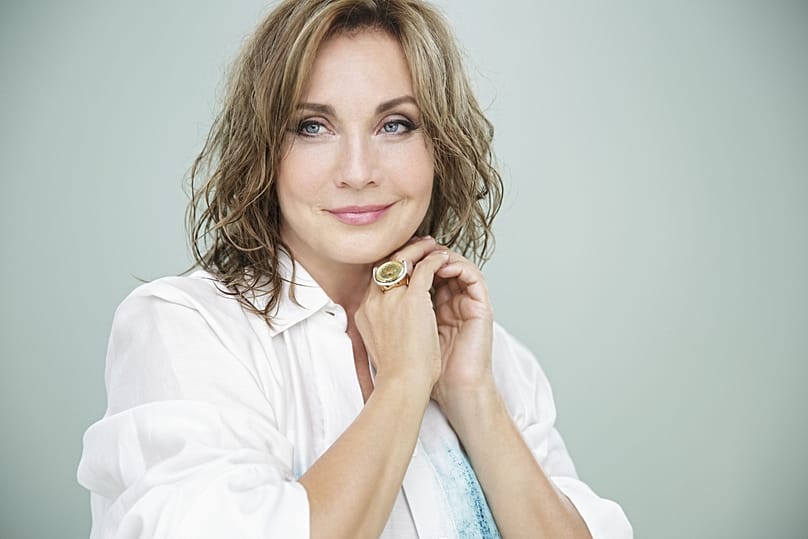
It all started on 6 April 2024, when she decided to perform at a demonstration led by Péter Magyar, head of the TISZA Party, which has since become the largest opposition force, where she sang 'You Will Never Walk Alone'.
Her decision had immediate repercussions, and the consequences have been far-reaching.
"I can't perform, they don't call me. Sometimes it's because whoever would invite me to perform somewhere would be fired the very next day, or would simply be asked, 'How do you think you're doing this?" said Rost.
However, she's carried on regardless. On the contrary, Rost has been present at all the major opposition demonstrations throughout the country. In the beginning, she "only" led people in singing, but now she is one of the vice presidents of the 'Be the Change Association' of TISZA Party, and since last November has been a candidate for the party in the 1st constituency of Jász-Nagykun-Szolnok County.
"I have never been involved in politics to such an extent. It's only when you see this carnal pain and oppression at all levels in this country that I say, this can't go on. This country deserves much more, this is a talented people, a beautiful country," explained Rost.
Musical youth
And why is she running for office in the city of Szolnok? That east-central city is linked to the very first years of her life, as she lived there with her grandparents until the age of eight.
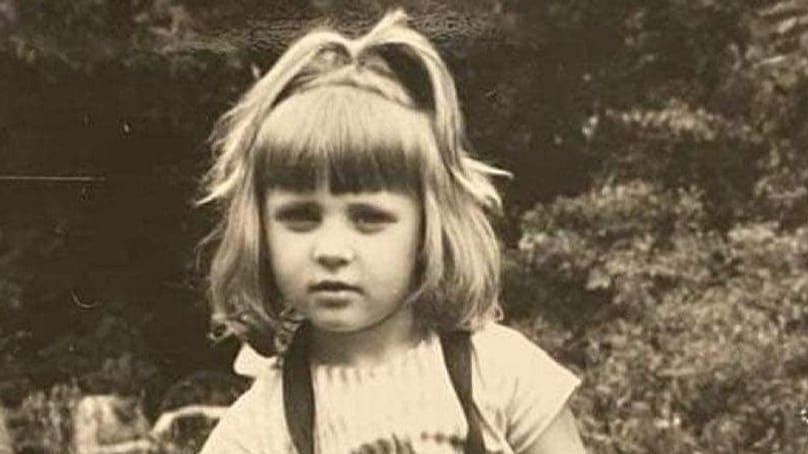
It was also where she first encountered classical music: as a little girl, she saw "a man talking about music" on TV. The program was none other than Leonard Bernstein's educational series on music, in which the iconic conductor-composer helped children and adults to appreciate and understand the essence of great classics.
"I sat on the carpet, the TV was on the chest of drawers. I watched him and listened to him explaining why it would sound that way, what to pay attention to. And right then and there, I understood Mahler, Beethoven, Mozart, too," she recalled smiling.
Years later, in Budapest, a Maria Callas album she received from her first singing teacher, Júlia Bikfalvi, and then an unforgettable theatre experience of Puccini marked her forever with opera.
"When I heard Renata Scotto performing Tosca at the Erkel Theater, I said to myself, if this is opera, then I want to sing opera. Because listening to Callas on record was all very beautiful and opened my soul, but what it means to stand on stage and pour your whole soul into a role, expressing it to the audience through your singing technique, that really touched me," said Rost.
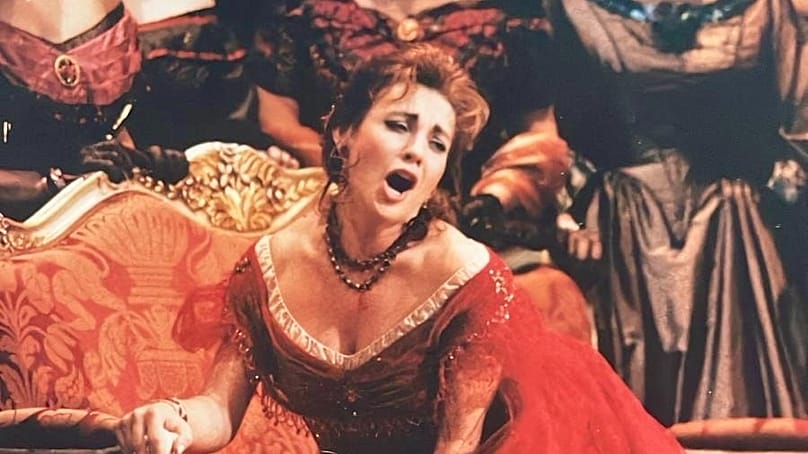
She eventually entered the Academy of Music by winning an international singing competition.
But before she was admitted as a graduate student of Zsolt Bende, her long-awaited breakthrough came in 1989 when she sang the female lead in Gounod's Romeo and Juliet, directed by Dénes Gulyás. Word spread fast about her performance, and the management of the Vienna State Opera at the time was looking for young singers, so Austria followed, and with it numerous wonderful leading roles. Then nothing could stop her: the greatest opera houses welcomed her with open arms.
Andrea Rost achieved resounding international success at the 1994 premiere of Rigoletto at La Scala in Milan, to which she was invited by Riccardo Muti. She appeared in numerous productions at the Salzburg Festival.
In Paris, she played Susanna, Gilda, Lucia, and Antonia at the Opéra Bastille. She made her debut at the Royal Opera House in London as Susanna, then sang the title roles of Violetta and Lucia di Lammermoor. Next came an appearance at the Metropolitan Opera in New York in 1996 in the role of Adina in L'elisir d'amore, later singing Gilda, Lucia, and Violetta there as well.
World fame was accompanied by a fantastic education. Among others, she had the opportunity to work with the legendary Italian director Franco Zeffirelli.
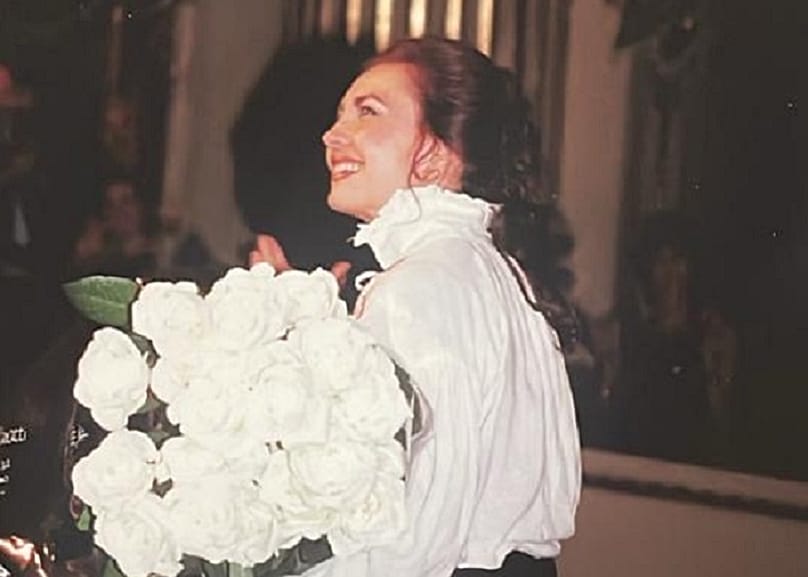
Besides the stage, nature is another important scene from which she draws inspiration, and although winter is not her favorite time of the year, she finds beauty and peace in all seasons.
"I learned this introspection because those who listen inwardly awaken. (...) My most interesting ideas always came to me in nature, when I was quiet," she explained, adding that Carl Jung's thoughts often helped her to have great insights.
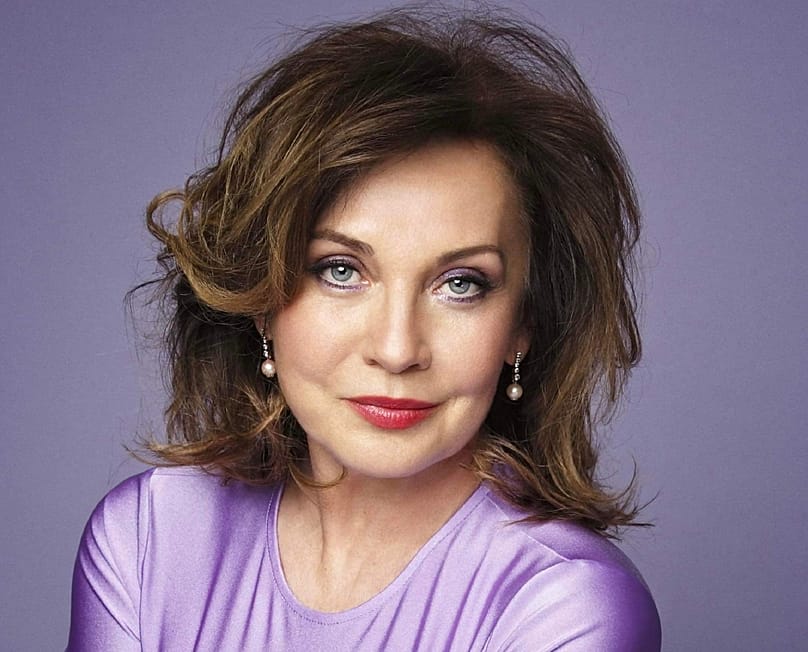
Perhaps her peak political performance to date has been to lead the "getting the crowds singing at protests" on October 23, 2025, when the TISZA Party organized a choir for its festive event.
"An energy will be released from this country that is currently suppressed. It is suppressed," said Rost.
It was a cathartic moment for her when, following her's voice, a huge crowd sang Va, pensiero from Verdi's Nabucco in the pouring rain — a song considered the anthem of freedom around the world.