















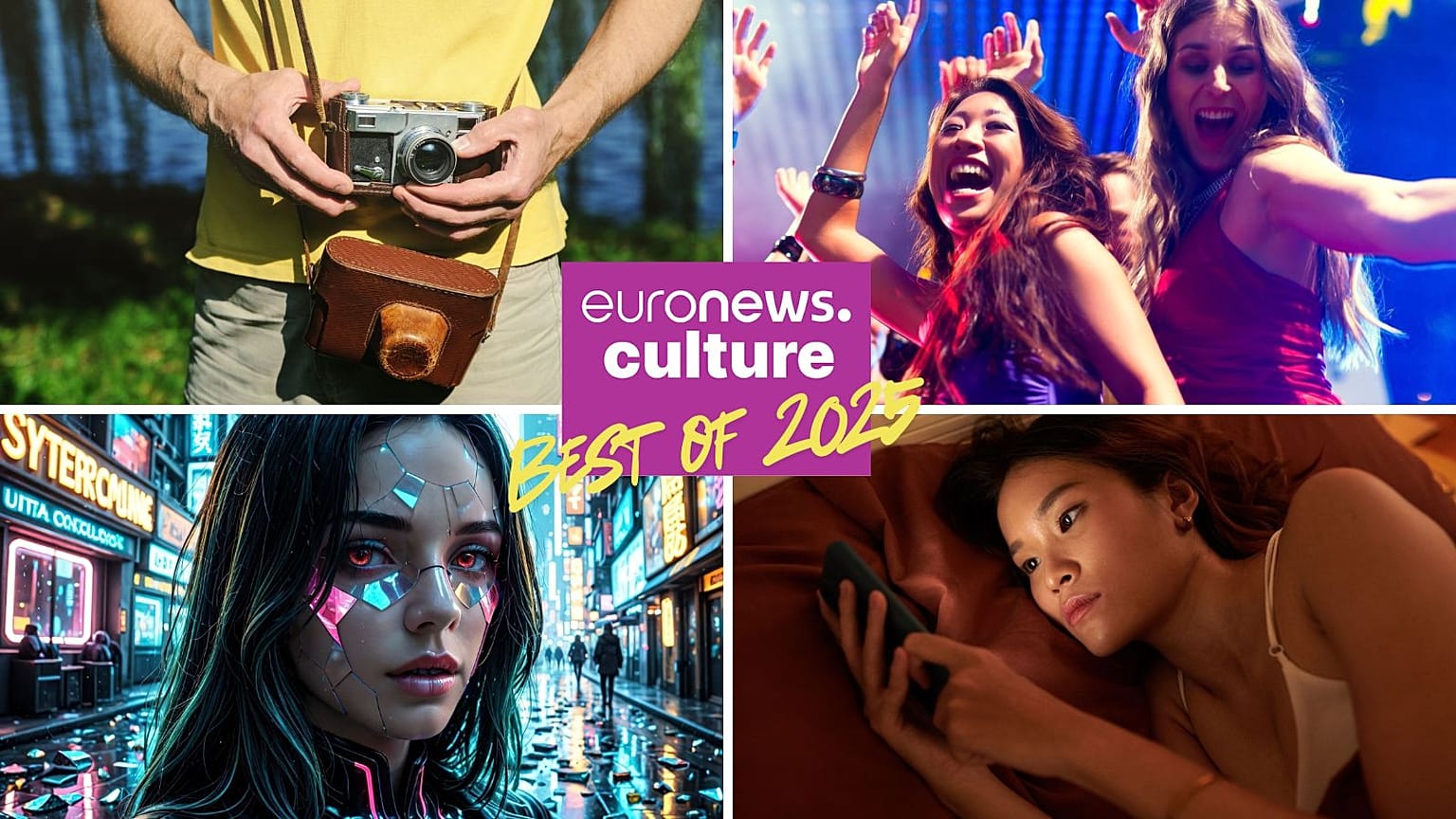













Euronews Culture takes a look back at some of the biggest cultural trends that have shaped global fashion, social media, music and more in 2025.
This year has seen a number of global cultural changes and trends. We’ve experienced more blending of genres, fragmentation of traditional media and an ongoing shift from broad mainstream culture to niche subcultures, short-lived “eras” and algorithm-driven scenes.
 ADVERTISEMENT
ADVERTISEMENT
ADVERTISEMENT
From Gen Alpha’s 6-7 meme to the rise of aesthetics like clean girl and corporate girlie, social media platforms like TikTok have been on fire this year. But what have cultural trends have had the biggest impact?
As the year draws to a close, the Euronews Culture team looks back on some of the most memorable global culture trends in 2025.
AI slop: The internet’s new trash goldmine
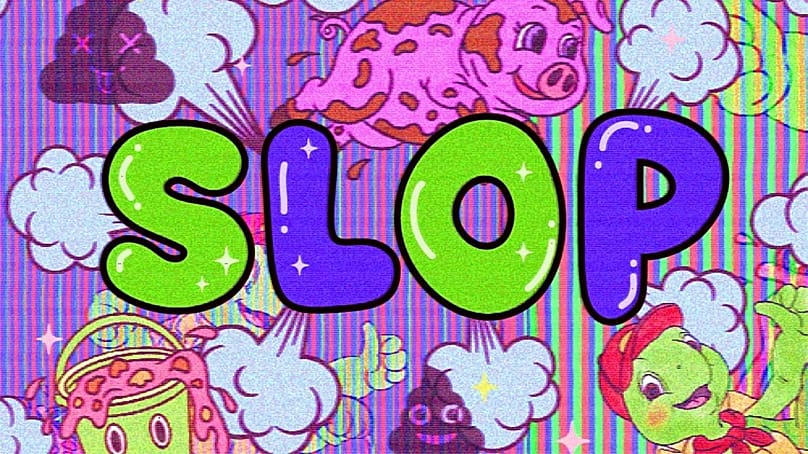
From TikTok’s viral fake bunnies on a trampoline video to the fake New York subway romance video and political debates, AI slop permeated every part of the internet this year.
The term has been named Macquarie Dictionary’s Word of the Year for 2025, for its widespread influence on politics, videos, memes, music and more. Merriam-Webster also gave the word 'slop' their top spot for Word of the Year.
Cheap and widely available, advanced generative AI tools and the rise of the “attention economy” encouraged creators to rely on more AI slop, in return for streaming royalties and ad revenue. Brands such as Vogue and Coca-Cola also faced backlash this year for using AI models and holiday commercials. Slammed as generic, soulless, hollow and filled with mistakes, whether AI slop survives into 2026 remains to be seen. At least some brands are still hiring human animators for their ads...
Brain rot: Eat. Sleep. Doomscroll. Repeat.
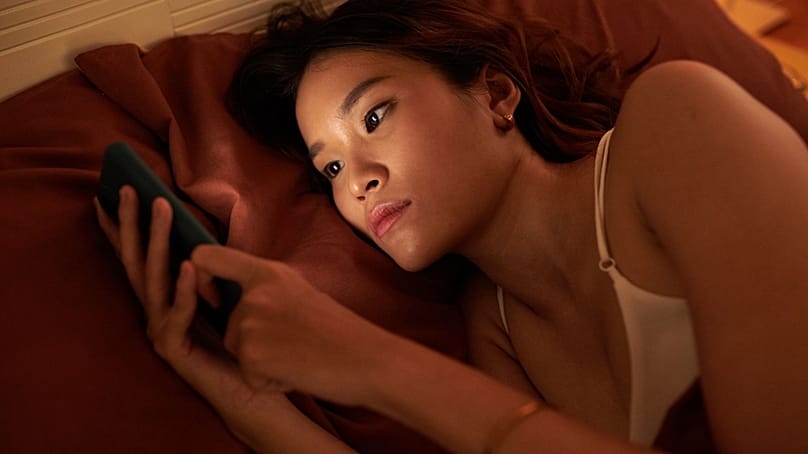
Although brain rot became Oxford University Press’ Word of the Year 2024, its popularity continued into 2025, with the viral “Italian brain rot” meme picked up by Gen Alpha.
It was driven mainly by growing public anxiety about trivial, low-quality online content and its effects on mental and intellectual health. Summer 2025 was even dubbed the “brain rot summer”, following a boom of short-lived cultural moments.
This Italian sub-genre of brain rot is a specific type of absurd: AI-generated and nonsensical content, with popular characters like the cappuccino-headed ballerina named “Ballerina Cappuccina” and a three-legged shark called “Tralalero Tralala”.
Some newsstands started selling “Italian Brainrot Trading Card Games” to further capitalise on the trend, while brands like Duolingo, Netflix and Spotify incorporated it in promotional campaigns.
The rise of TikTok aesthetics: Clean girl, dark academia, coquette
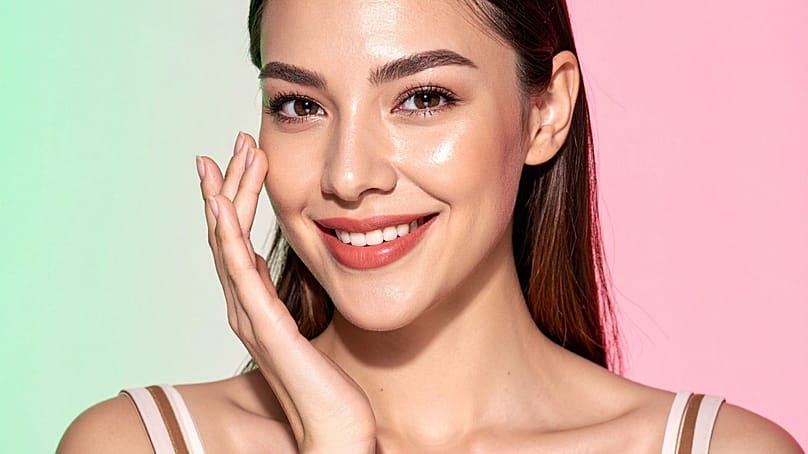
2025 also saw an explosion in TikTok aesthetics, from minimalist/clean girl, to corporate girlie, coquette, dark academia, cottagecore and much more.
This was driven by an increased demand for authenticity, escapism and nostalgia, as well as hyper-personalised algorithms, supporting the creation of niche and diverse subcultures - which quickly found their own global communities.
A desire to break away even more from previous “perfect” aesthetics also drove this trend, while creators were given the opportunity to build even more deeply loyal and engaged audiences in these subgenres.
One of the most famous TikTok aesthetics this year was the clean girl one: a minimalist lifestyle trend highlighting a naturally fresh, polished and effortlessly chic look. On the other hand, the coquette aesthetic prioritised a romantic and feminine style, rich with bows, laces, pastel colours and ruffles.
While some were more recognisable, like Twilight-inspired aesthetics and edits, there were also significantly more niche ones like Chunky Resin Bangles and Achill Island.
Y3K: Post-human, chrome, alien
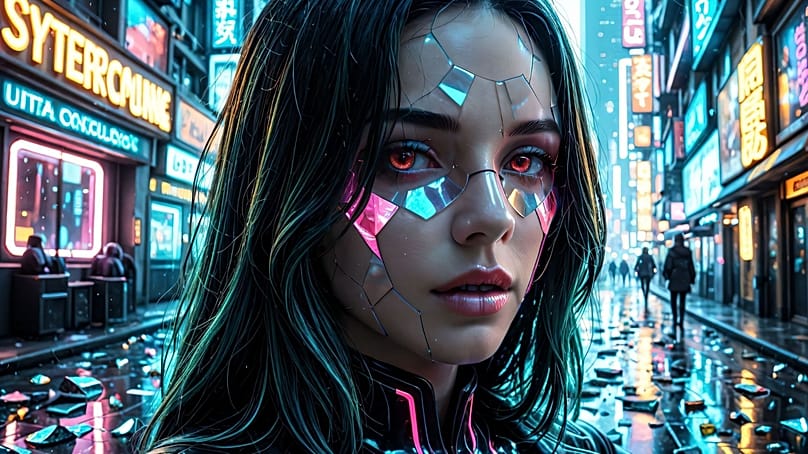
The Y3K aesthetic quickly gathered followers in 2025. Breaking away from the recent wave of Y2K nostalgia, Y3K blends current anxieties about the environment and technology with futurism. It looks at complex themes such as over-reliance on technology and the dystopian outcomes of climate change.
This trend was supported by the rapid progression and integration of robotics, AI and virtual reality into daily life, leading consumers to speculate more about the future. Metallic fabrics, wearable tech, cyber-inspired designs and graphic liner- Y3K embraces all of it and more.
Y3K focuses on practical wear for uncertain futures, with grungy touches and utilitarian silhouettes. This look has also been launched in music videos and high-fashion runways by K-pop groups such as aespa, among others.
In films and books, Y3K leans heavily on cyberpunk and sci-fi genres, exploring the merging of digital and biological life and post-human narratives.
Oversized silhouettes and minimalist staples
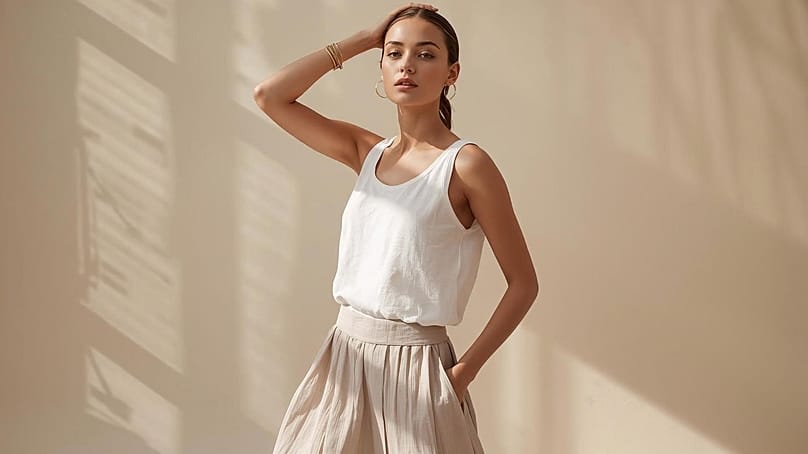
We saw a lot of oversized silhouettes and minimalist staples hit high-fashion ramps in 2025 - driven by a shift towards more individuality, comfort, gender neutrality and sustainability. Adopted by top brands like Prada and The Row, this trend contrasts sharply with previous eras of overconsumption, highlighting more mindful fashion choices.
It was especially popular with Millennials and Gen Z consumers, who prioritise an effortlessly cool vibe and are increasingly aware about fast fashion’s environmental impact.
Focusing on durable, high-quality and timeless staples, which embrace quiet luxury and refinement, such as wide leg trousers, oversized blazers and simple white shirts.
This trend uses natural and sustainable fabrics like linen, organic cotton and wool in neutral palettes like black, beige and white. This allows pieces to be mixed and matched in many ways across seasons.
6-7: The more meaningless, the better
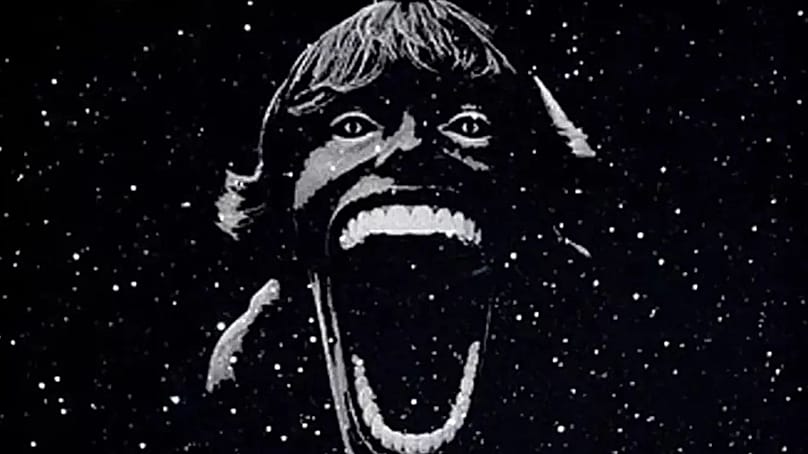
One of the more absurd trends this year, the phrase 6-7 became viral following a video of a young basketball fan shouting “six seven” with an associated hand gesture. The video took off, resulting in a meme adopted by millions of children worldwide.
6-7 also became Dictionary.com's 2025 Word of the Year, which describes it more as a “burst of energy” rather than a meaningful term. The trend effortlessly captures the absurd, intentionally meaningless and short-lived humour typical on Instagram Reels and TikTok.
It quickly became a kind of inside joke for younger people, used as a way to annoy parents, teachers and other adults, while building a stronger sense of social identity and community among children.
This trend was so popular that it was also featured in a South Park episode, with the UAE branches of companies like McDonald’s and Pizza Hut also running themed discounts and promotions.
Authentic messy: Raw, real and unbothered
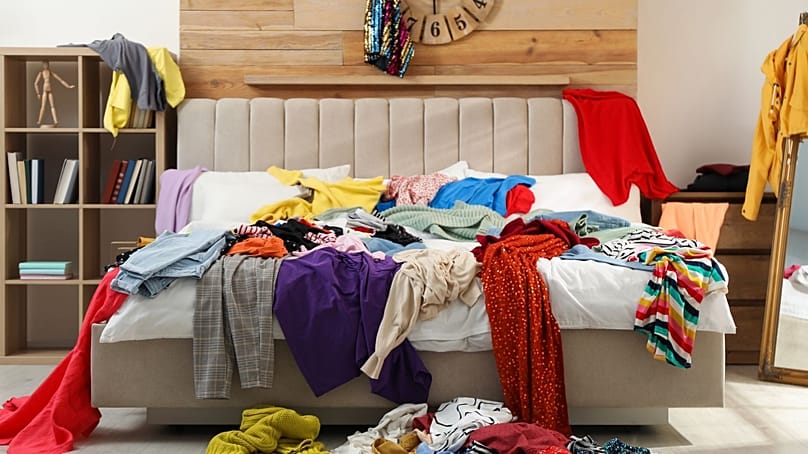
After years of painstakingly perfectioned content, the authentic messy trend became popular in 2025 as the antithesis to the hyper-curated “clean girl” aesthetic, across beauty, fashion and social media.
Celebrities like Julia Fox and other people have shared videos of their genuinely messy apartment reflecting authentic daily life, while digital artist Amalia Soto coined the term “girl clutter” to push back against gender expectations of neatness. Sub-trends such as “goblin mode” and “organised mess” emerged as well.
Fashion houses like Bottega Veneta and Miu Miu have embraced this trend as well, with models walking the ramp with unzipped and overflowing bags. It doesn’t stop there - Billie Eilish and Charli XCX also leaned into a more disordered, rock look this year. But the best moment for the pro-messy movement? The goddess of decluttering, Marie Kondo herself, shared that tidying her home had taken a backseat after having her third child.
The return of recession pop: Dance vibes for hard times
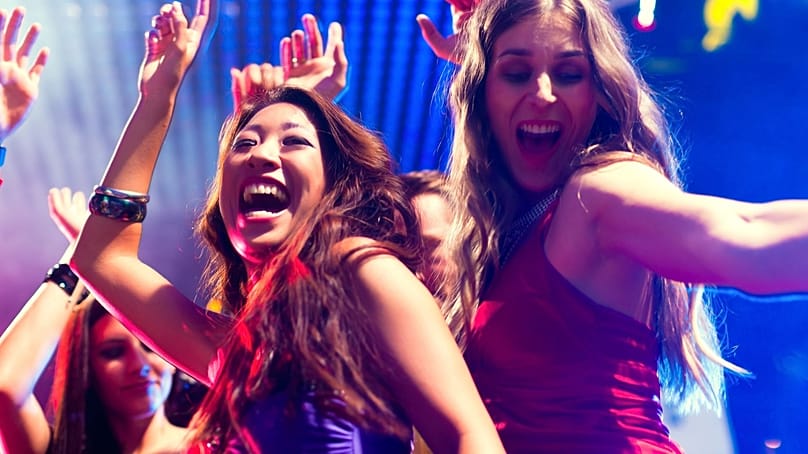
Recession pop made a comeback in 2025, acting as an emotional catharsis and auditory escape for people dealing with financial uncertainties and economic anxieties.
The genre, known for its carefree lyrics and upbeat tempo, is nostalgic and perfect for a quick dance break to get away from daily stress - a marked shift away from the recent mellow pop. It’s also been amplified by TikTok, which has highlighted new artists with similar vibes and turned old hits into viral tracks.
Say hello to 2007-2012 bangers by iconic artists like Kesha, Lady Gaga and Katy Perry again, who are also weaving in their early album vibes into their new 2025 releases like 'Abracadabra', 'Mayhem' and 'Yippee-Ki Yay'.
De-influencing: When saying 'no' goes viral
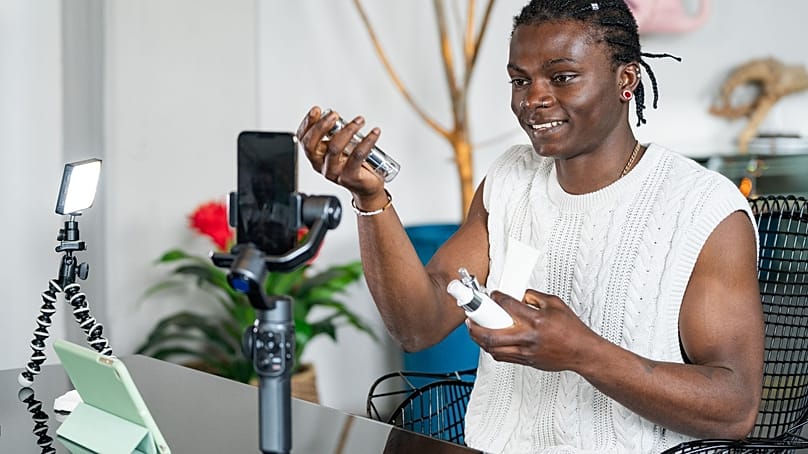
After years of hyper-consumerism, a global cultural correction shift took place this year, through the de-influencing trend. Hollow ads, audience fatigue, heightened financial anxiety and increasing calls for sustainability and transparency drove this movement.
Forget carefully curated, aspirational content or constant product hauls - consumers now want unfiltered, genuine, messy opinions, from real people, not influencers with tailored online personas.
This means practical life and financial advice, authentic affordable alternatives to the latest fads and a broader shift towards underconsumption and sustainability, rather than FOMO. In turn, this has led to trends such as skin fasting and the rise of multitasking beauty products, slow fashion, no-buy challenges and anti-Instagrammable trips.
Analog revival: Offline is the new flex
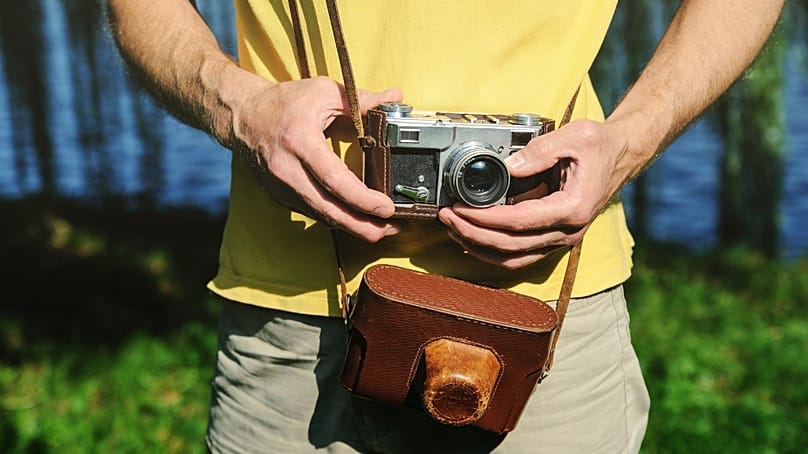
The analog revival was another prominent cultural trend this year, driven primarily by Gen Z consumers, as an antidote to digital overload.
Supported by a desire for more tangibility, authenticity and mindfulness in a world seemingly ruled by social media, smartphones and constant connectivity, younger generations are now reaching for vintage cameras, print media and vinyl records.
Analog wellness practices, characterised by simple hobbies like knitting, crochet, pottery, craft workshops, record store gatherings and book clubs have also boomed, as people seek out more meaningful in-person connections.
This has led to a surge in vinyl record sales, supported by artists like Billie Eilish and Taylor Swift releasing music in physical formats. The “film look” aesthetic has also exploded on TikTok and Instagram, boosting vintage Kodak and Fujifilm camera sales. Physical books and independent zines are also making a comeback, according to publishing software company WoodWing.
Stay tuned to Euronews Culture for more of our 2025 Best Ofs, including this year's Best Albums and Best Movies.