





























Archaeologists in Britain have uncovered new evidence which suggests humankind's ability to master fire is some 350,000 years older than previously thought.
It’s been a longstanding question: when did we first learn how to light a fire? Archaeologists in the UK believe they’re much closer to an answer after unearthing evidence that early humans were deliberately setting fires in eastern England around 400,000 years ago.
 ADVERTISEMENT
ADVERTISEMENT
ADVERTISEMENT
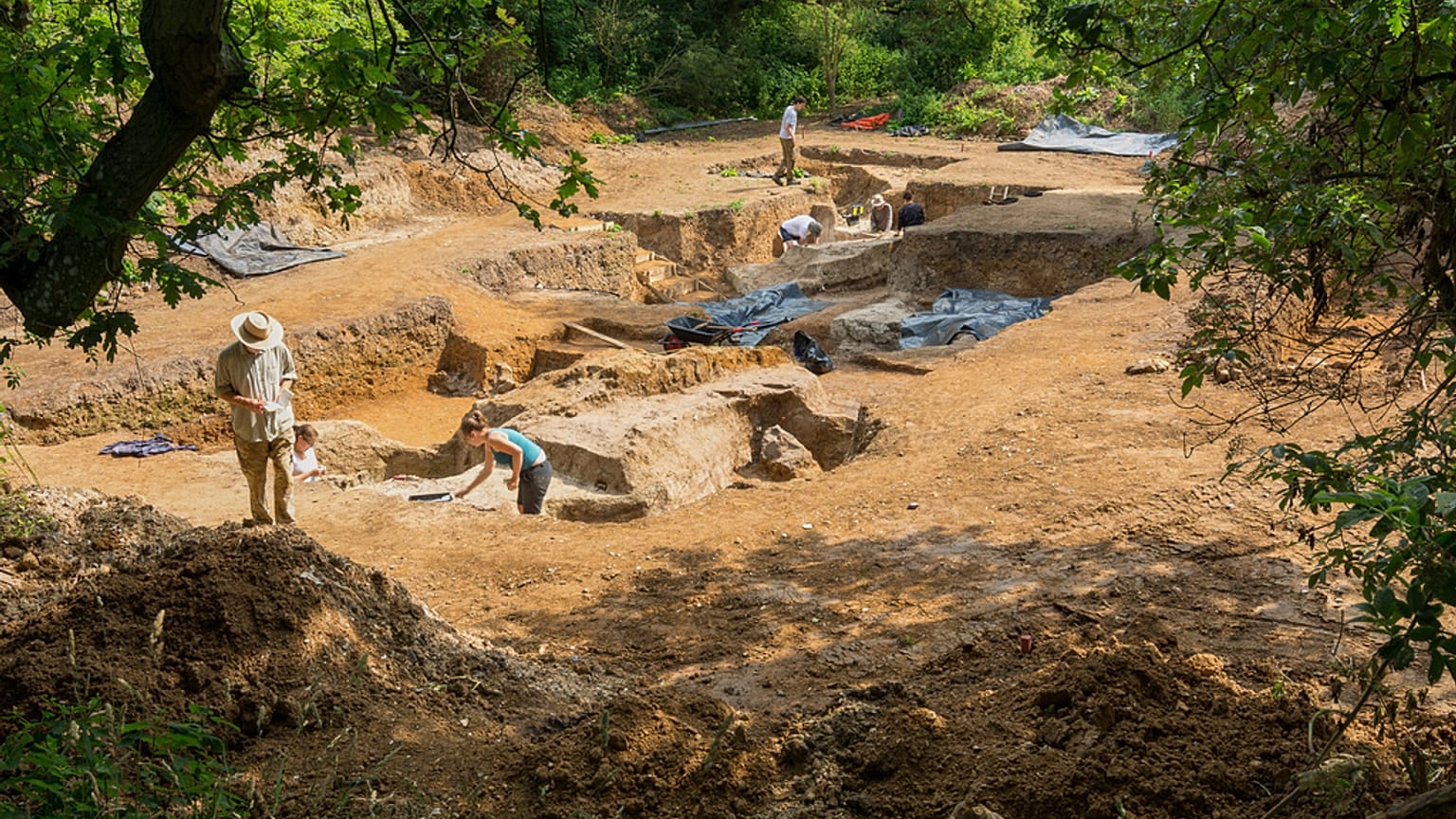
The discovery at a Stone Age site in Barnham, Suffolk, represents a major shift in our understanding of early fire-making. The findings, published in Nature, push back the earliest known date by roughly 350,000 years. Until now, the oldest evidence of intentional fire-setting came from a Neanderthal site in northern France dating back about 50,000 years.
“This is the most exciting discovery of my long 40-year career,” said Nick Ashton, curator of Palaeolithic collections at the British Museum.
How did our ancestors control the flames?
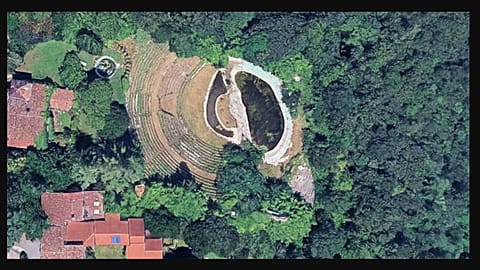
A team led by the British Museum found heat-damaged flint hand axes, a patch of scorched earth, and small nuggets of iron pyrite at the excavated site — all pointing to repeated use of a campfire or hearth.
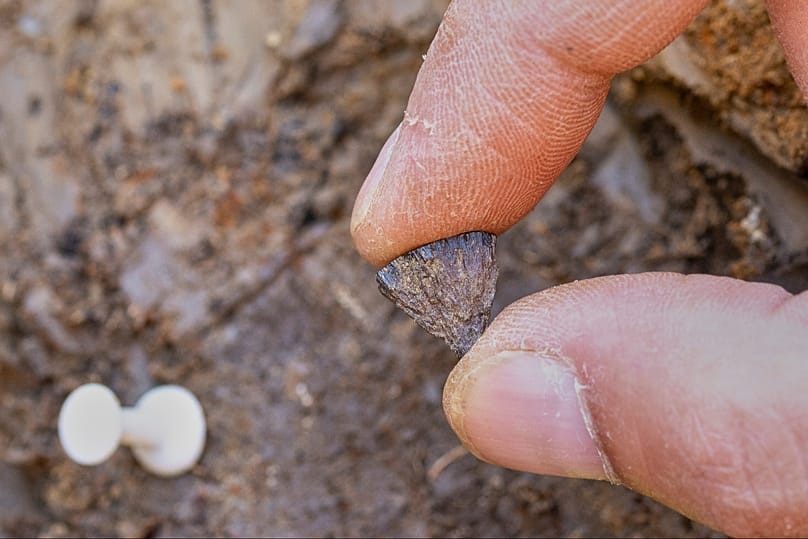
Iron pyrite, or fool's gold, produces sparks when struck with flint. Two pieces were discovered at Barnham, and archaeologists say its rarity in the local geology strongly suggests it was brought there by people who understood its use for igniting tinder.
Why does this discovery matter?
Scientists say the ability to make fire wherever and whenever needed marked a turning point in human evolution. Fire helped early humans survive cold climates and deter predators, but it also allowed them to cook food — releasing vital energy and nutrients. Cooking breaks down toxins in roots and kills pathogens in meat, improving digestion and unlocking more calories to support larger brains. Fire also transformed social life. Campfires acted as hubs where people strengthened relationships, shared stories, and developed language.
Who were these people?
Chris Stringer, a human evolution specialist at the Natural History Museum, says fossils from Britain and Spain suggest the inhabitants of Barnham were early Neanderthals, whose cranial features and DNA point to increasing cognitive and technological sophistication. They were living at roughly the same time as our own species, Homo sapiens, was beginning to emerge in East Africa.